Why the Japanese Suicide Forest Holds an Eerie Place in Folklore

Daniel Foster
November 15, 2024
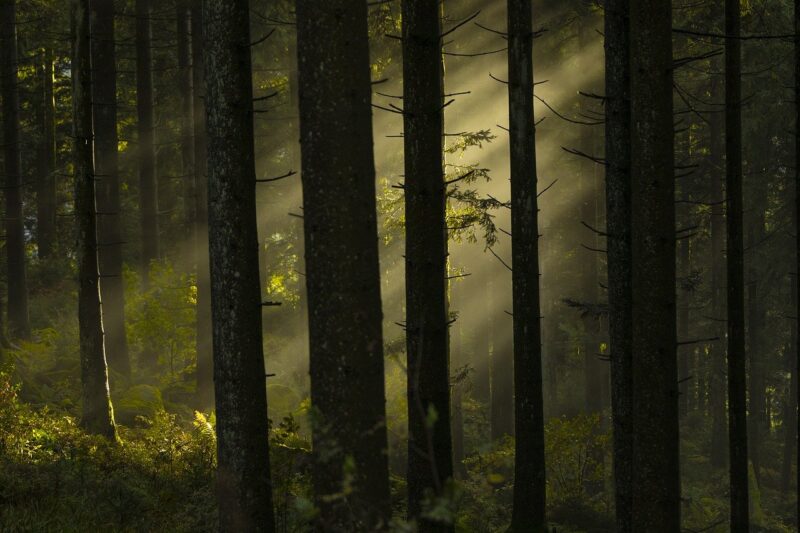
When it comes to places steeped in cultural significance and haunting tales, few can match the notoriety of Japan’s Aokigahara, often referred to as the “Suicide Forest.” Nestled at the foot of Mount Fuji, this dense, sprawling woodland does not merely serve as a backdrop for the tragic stories associated with it; rather, it embodies the eerie folklore, the legends, and the societal implications of mental health within Japanese culture.
In this article, we will explore the rich tapestry of tales surrounding Aokigahara, the reasons behind its haunting reputation, and the broader context of its significance within Japanese folklore and modern society.
1. A Brief History of Aokigahara
The history of Aokigahara goes back centuries, but its notoriety as a site of suicide became well-known in the early 20th century. The myths associated with the forest can be traced back to Japanese legends and storytelling traditions. The term “Aokigahara” translates to “Green Sea of Trees,” a name that belies the somber events that often unfold within its depths. Legends suggest that the forest is home to spirits and ghosts, especially those of the deceased. Traditionally, it was believed to be a place where the souls of the unfulfilled linger, creating an unsettling atmosphere that looms over those who venture into it.
In folklore, Aokigahara is often mentioned in the context of Ubume, a ghostly figure who is said to be the spirit of a woman dying in childbirth. It is believed that Ubume inhabits the forest, providing a warped protective atmosphere. Some argue that this spirit draws individuals in search of solace.
2. The Cultural Context of Suicide in Japan
Japan has a long and complex relationship with the concept of honor and suicide. Historically, rituals such as Seppuku, a form of ritual suicide performed by Samurai to restore honor, cast a long shadow over modern attitudes toward death.
In contemporary Japan, suicide is perceived differently, influenced by various societal pressures—a decline in economic stability, stigma around mental health issues, and the intense work culture prevalent in society. Aokigahara has become a poignant symbol of these issues, a testament to people seeking solace away from the overwhelming demands of society.
The forest is often labeled a “dark” place, echoing societal rejection of openly discussing mental health struggles. Tragically, suicide in Japan is still a significant issue, prompting movements aimed to reconsider how society views mental wellness. The government and NGOs have sought to address these stigmas, yet the forest continues to attract those struggling with feelings of hopelessness.
3. Urban Legends and Myths Surrounding Aokigahara
Within Aokigahara lies an intricate network of myths and urban legends that have further solidified its eerie reputation. Over the years, myths have circulated about the many spirits that supposedly haunt the forest, from Yurei (souls of the deceased) to the concept of the forest being cursed.
Notably, many visitors have reported strange phenomena while visiting Aokigahara—feeling an overwhelming sense of dread, hearing whispers among the trees, or even encountering unexplained occurrences that send chills down their spine. Some say that when you enter the forest, it is easy to lose sense of direction or time, leading many visitors to feel lost amidst the dense foliage. This sense of isolation and uncertainty drives many to question their emotions and mental well-being.
Additionally, the forest’s thick trees block out the sun, creating an oppressive atmosphere that adds to its haunting allure. These sensations have captured the imagination of many—and inspired various works of fiction, art, and film that delve into the mystique surrounding Aokigahara.
4. The Forest in Popular Culture
Aokigahara has been referenced in numerous cultural works that draw inspiration from Japan’s supernatural folklore and its complicated relationship with death. It has appeared in films, books, and even video games, serving to captivate audiences with its haunting legacy. The depiction of the forest in popular media often accentuates its role as a site of struggles with mental health while weaving narratives of horror, loss, and existential questioning.
Notably, the release of the film “The Forest” in 2016, which centers on a woman searching for her twin sister in Aokigahara, reignited discussions about the forest’s significance. While many criticized the film for trivializing the serious issue of suicide, others welcomed it as an opportunity to shed light on mental health awareness. This reflects the complex interplay between the forest’s cultural identity and society’s misgivings regarding conversation on mental health.
5. Addressing Mental Health: A Step Towards Healing
In recent years, mental health awareness in Japan has gained traction as individuals and organizations strive to change long-standing stigmas surrounding mental illness. Hotlines, counseling services, and outreach programs have emerged in response to rising suicide rates—an acknowledgment that journeys through places like Aokigahara cannot be ignored in the discourse surrounding mental health.
Visitors to the forest are increasingly encouraged to reconsider their motivations for entering, leading to numerous campaigns that emphasize the importance of seeking help rather than succumbing to despair. Local authorities have established barriers and signs with messages aimed at deterring those contemplating suicide, urging them to reach out to loved ones or professionals instead.
This effort mirrors a broader recognition that we must work towards healing emotional wounds collectively and as individuals, paving the way for future generations to dismantle stigmas surrounding mental health and find understanding in their struggles.
Conclusion
Aokigahara, the Japanese Suicide Forest, stands as a somber reminder of societal struggles with mental health and cultural beliefs surrounding death. It is a juxtaposition of eerie folklore and the haunting realities faced by many individuals today. Through understanding its myths, cultural history, and the growing awareness around mental wellness, we take steps toward a more compassionate approach to the suffering individuals who wander through its shadowy paths.
As awareness grows, Aokigahara can transform from merely a forest of despair to one of hope, nurturing a collective consciousness that brings light to the darkness and healing to the heart.
Explore Aokigahara not merely as a graveyard of despair but as an embodiment of the ongoing fight against mental health stigma—a complex narrative that craves understanding and compassion.