Why Some Clouds Produce Lightning and Others Don’t: The Science of Thunderstorms

Lucas Grant
November 12, 2024
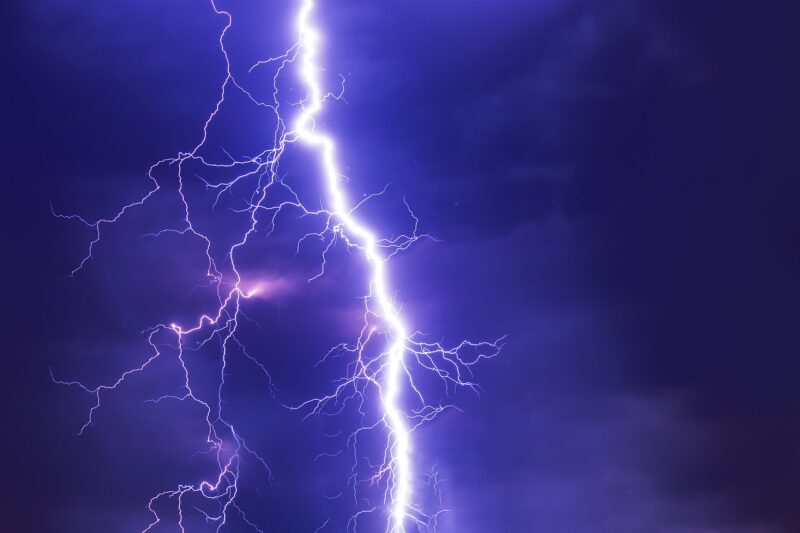
Thunderstorms are one of nature’s most awe-inspiring phenomena, characterized by brilliant flashes of lightning that illuminate the sky and thunder that shakes the ground. While many clouds float gently in the atmosphere, only certain types exhibit the conditions necessary for lightning to occur. This comprehensive article will explore the science behind thunderstorms, focusing on why some clouds produce lightning while others do not.
1. The Basics of Thunderstorms
Before we delve into the specifics of cloud types and lightning, it’s essential to understand what a thunderstorm is. A thunderstorm is a weather phenomenon that includes lightning and thunder, typically accompanied by heavy rain, sometimes hail, and strong winds.
Types of Thunderstorms:
– Single-cell Thunderstorms: These are short-lived and usually last for less than an hour. They are often referred to as pulse thunderstorms.
– Multi-cell Thunderstorms: Composed of a cluster of cells that develop into a larger storm, they typically last longer than single-cell storms and can produce severe weather.
– Supercell Thunderstorms: These are highly organized thunderstorms characterized by rotating updrafts called mesocyclones. Supercells are capable of producing severe weather events such as tornadoes.
The formation of thunderstorms begins with moisture, rising air, and instability in the atmosphere, which combine to form clouds capable of producing lightning.
2. The Role of Clouds in Thunderstorms
Clouds play a pivotal role in thunderstorm formation. However, not all clouds are equal when it comes to producing lightning. The type of cloud most associated with thunderstorms is the cumulonimbus cloud, known for its towering structure and cumuliform shape. Let’s take a closer look at the differences between various cloud types and their relations to lightning production:
Cumulonimbus Clouds:
– These are the primary storm clouds of thunderstorms. Cumulonimbus clouds can reach heights of 30,000 feet or more, often resembling an anvil shape. They contain the necessary components for lightning development, such as sufficient moisture, upward motion, and electrical charge separation.
Stratus Clouds:
– These low-level clouds are characterized by their uniform and flat appearance. Stratus clouds do not usually produce thunderstorms because they lack the vertical development, moisture, and energy needed to create lightning.
Cirrus Clouds:
– High-altitude wispy clouds that typically indicate fair weather. Cirrus clouds are generally too thin and lack the necessary moisture and structure to produce thunderstorms.
Nimbostratus Clouds:
– These are thick, dark clouds that bring continuous, steady precipitation. While they can produce rain, they are usually not associated with lightning due to the lack of strong updrafts necessary for electric charge formation.
The key to understanding why some clouds produce lightning while others do not lies in the structural and dynamic properties of cumulonimbus clouds.
3. The Mechanics of Lightning Formation
Lightning occurs due to the buildup of electrical charges within a cloud, primarily the cumulonimbus. The process involves complicated physics, including:
Charge Separation:
– Within a cumulonimbus cloud, strong updrafts carry moisture and ice particles upward, where temperatures are below freezing. As these particles collide, they transfer electric charges: lighter particles gain positive charges and travel to the upper part of the cloud, while heavier particles transfer negative charges and descend to the base.
Electrical Field Creation:
– As positive and negative charges build up within the cloud, they create a strong electric field. When the electric potential between the charged areas becomes great enough to overcome the resistance of the air, a discharge occurs, generating lightning.
Types of Lightning:
– Intra-cloud Lightning: This is the most common type and occurs within a single cloud.
– Cloud-to-ground Lightning: This type occurs when the charge difference between a cloud and the ground is significant. It is what most people visualize when thinking of lightning.
– Cloud-to-cloud Lightning: This occurs between two different clouds sharing an electric field.
4. Why Some Clouds Don’t Produce Lightning
The absence of lightning in some clouds can be attributed to several factors:
Insufficient Updrafts:
– For a cloud to build the complex charge necessary for lightning, strong updrafts must continuously lift moisture into colder areas of the atmosphere. Weak or absent updrafts in stratus clouds restrict moisture transport, hindering charge development.
Lack of Temperature Difference:
– Thunderstorms thrive on instability in the atmosphere, which occurs when warm air rises through cooler air. If the temperature differences are not pronounced, the conditions for thunderstorms and subsequent lightning formation are poor.
Inadequate Moisture:
– Some cloud types, like cirrus and stratus, may lack sufficient moisture to create the high energy necessary for electrical discharges.
Absence of Ice Particles:
– The collision of ice particles within a cloud is critical for charge separation. Stratus clouds generally lack the vertical structure to foster these interactions, whereas cumulonimbus clouds provide ideal conditions for ice particle collisions.
These factors combined explain why not every cloud can produce the electrifying spectacle of lightning.
5. The Impact of Lightning on Our Environment
Lightning does not only serve as a visual spectacle but also plays critical roles in the climate and ecosystem. Some important impacts include:
Nutrient Addition:
– When lightning strikes the ground, it converts atmospheric nitrogen into nitrates, which are essential for plant growth. This process enriches the soil naturally, supporting various ecosystems.
Wildfires:
– Lightning strikes can ignite wildfires, which can be destructive but also play a role in maintaining the ecosystem. Fire can clear out dead matter and promote new growth.
Climate Regulation:
– Lightning contributes to the atmospheric chemical composition and can even affect climate patterns by influencing cloud formation and precipitation.
By appreciating the science behind lightning and thunderstorms, we gain insights into the intricate workings of our atmosphere and the vital processes that sustain our planet.
Conclusion
Understanding why some clouds produce lightning while others do not is crucial for anyone interested in meteorology, nature, and the environment. The dynamic processes occurring within thunderstorms, particularly in cumulonimbus clouds, reveal the amazing complexities of our atmosphere. As we continue to study weather patterns and phenomena like thunderstorms, we not only enhance our appreciation of nature’s beauty but also improve our ability to predict and prepare for significant weather events in the future.