Why Owing Less Might Be the Key to More Happiness

Ethan Reynolds
November 10, 2024
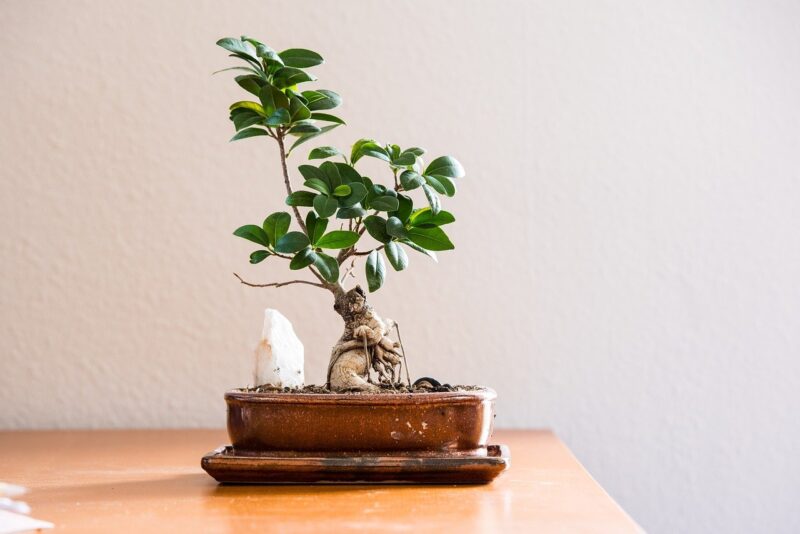
In today’s fast-paced world, the constant pursuit of more—whether it’s more possessions, more experiences, or more achievements—has become a societal norm. However, this endless chase can lead to stress, disappointment, and a sense of inadequacy. In contrast, a growing number of people are discovering that embracing minimalism—reducing the number of possessions one owns—can lead to a more fulfilling and happier life. This article delves into the profound benefits of owning less and how it can be the key to more happiness.
1. Understanding Minimalism & The Concept of Owning Less
Minimalism is not just a trend or a lifestyle choice; it is a philosophy that proposes that by eliminating excess and focusing on what truly matters, we can lead a more meaningful life. At its core, minimalism is about mindfulness—being intentional about what we bring into our lives and ensuring that it serves a purpose. By owning less, we can not only declutter our physical spaces but also our mental spaces—a crucial component of overall happiness.
Key Principles of Minimalism:
– Quality over Quantity: Prioritizing meaningful, high-quality items that contribute to our happiness rather than accumulating numerous possessions.
– Intentionality: Making conscious decisions about what we acquire and why, ensuring that each item aligns with our values and needs.
– Simplicity: Embracing simplicity in all aspects of life, which often leads to reduced stress and improved focus.
2. The Emotional Benefits of Owning Less
Owning fewer possessions can significantly enhance our emotional well-being. Here’s how:
Reduced Stress: Clutter can increase anxiety levels and distract from important tasks. By simplifying our living environments, we create a more calming atmosphere, leading to reduced stress and increased focus.
Freedom & Flexibility: Less stuff means less to manage, maintain, and worry about. This allows us to be more spontaneous and gives us the freedom to make choices based on our interests rather than being tied down by physical possessions.
Increased Contentment: Minimalists often report a sense of contentment that comes from valuing experiences over possessions. Once the desire for material acquisition diminishes, it opens up room for deeper fulfillment through relationships, personal growth, and self-care.
3. The Financial Aspect of Owning Less
Financial stress is a prevalent issue in society today. By owning less, individuals can experience significant financial benefits:
Lower Expenses: Owning fewer items typically results in lower costs associated with maintaining, repairing, and insuring possessions. This can lead to increased savings over time.
Reduced Impulse Buying: Minimalism encourages thoughtful consumption, thus reducing impulsive purchases. Instead of buying based on trends or advertisements, minimalists tend to make informed decisions, ultimately leading to financial stability.
Focusing on Experiences, Not Things: With the money saved from decreased spending on possessions, individuals can invest in experiences that foster happiness—like travel, hobbies, and time spent with loved ones—rather than piling up physical items that may only give temporary satisfaction.
4. Cultivating Relationships & Community
Owning less can lead to improved relationships and stronger connections with others:
Quality Time: By prioritizing experiences, minimalists can spend more time with family and friends, deepening the quality of their relationships. Shared experiences often create more joyful memories than any material possession could.
Community Engagement: Minimalism often fosters a sense of community as individuals seek to connect based on shared values rather than material goods. This can lead to richer social interactions and support systems.
Mindfulness in Relationships: Minimalists often cultivate mindfulness, which enhances their ability to be present in their interactions with others. This mindfulness can lead to more meaningful conversations and bonds.
5. Practical Steps to Own Less and Be Happier
If you’re ready to embark on a journey towards owning less and increasing your happiness, here are some practical steps to get started:
– Declutter Regularly: Make it a habit to go through your belongings periodically. Set a timeline to evaluate what you truly use, need, and love.
– Adopt the One In, One Out Rule: For every new item you bring into your life, commit to eliminating one you no longer need. This helps maintain balance and keeps clutter at bay.
– Limit Shopping Trips: Consider reducing the number of times you go shopping, as it often leads to unnecessary purchases. Focus instead on your needs and the quality of experiences.
– Create a Capsule Wardrobe: Simplifying your clothing choices not only saves time but can also reduce decision fatigue. A curated wardrobe makes dressing easier while allowing personal expression.
– Reflect on What Brings You Joy: Take time each week to evaluate what truly brings joy into your life and focus on those aspects, whether they be activities, people, or experiences.
6. Conclusion: The Pursuit of Happiness Through Minimalism
The journey towards owning less is not merely about reducing possessions; it’s about creating space for what really matters. By adopting a minimalist mindset, individuals can step back from the noise of consumerism and focus on cultivating happiness through meaningful experiences, relationships, and personal growth. Real joy often lies not in what we own but in how we choose to live our lives. As the saying goes, “Less is more.” Embracing minimalism might just be the key to unlocking a life filled with greater happiness and fulfillment.