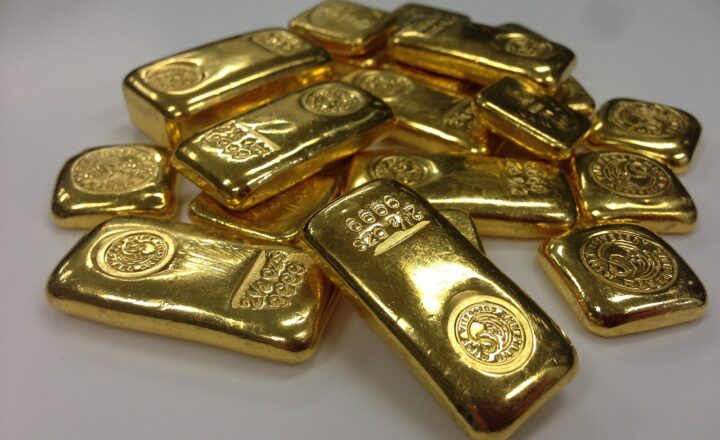
Why Gold Reserves Are Key for Nations’ Economies and Global Stability

Oliver Sutton
November 14, 2024

Gold has been a symbol of wealth and prosperity for centuries, but its role extends far beyond mere ornamentation and value as a luxury item. Gold reserves are essential assets for nations, serving as a financial safety net and a critical component in maintaining economic stability and sovereignty in the volatile world of international trade. In this article, we’ll delve into the significance of gold reserves for national economies and their implications on global stability.
1. The Historical Context of Gold as a Financial Asset
Gold has been used as a medium of exchange and as a store of value for thousands of years. Ancient civilizations, such as the Egyptians and Romans, recognized gold’s intrinsic value and utilized it for trade and wealth accumulation. With the establishment of the gold standard in the 19th century, currency values became directly linked to a specific amount of gold, fostering a sense of stability in global finance.
However, as countries moved away from the gold standard in the 20th century, gold still retained its status as a reliable asset. Central banks and governments hold gold reserves as a hedge against inflation and currency fluctuations, reinforcing the importance of gold in monetary policy.
2. The Role of Gold Reserves in Economic Stability
Gold reserves provide nations with a host of economic benefits:
- Buffer Against Economic Crises: In times of financial uncertainty—such as economic recession or geopolitical turmoil—gold acts as a safe haven asset. Countries with substantial gold reserves can stabilize their currencies and instill confidence in their economies by showcasing their financial strength.
- Support for National Currency: Gold reserves can be used to back national currencies, promoting confidence both domestically and internationally. A stable currency reduces volatility in exchange rates, making trade more predictable.
- Inflation Hedge: Gold has been historically recognized as a store of value. During inflationary periods, when the value of fiat currencies may be eroded, gold often retains its value or appreciates, thereby protecting the purchasing power of the nation’s reserves.
In essence, a robust gold reserve provides nations with a reliable mechanism to navigate economic challenges and protect their citizens’ wealth.
3. Implications for Global Stability
The interconnected nature of today’s global economy means that one nation’s financial stability can have far-reaching effects on others. Gold reserves play a critical role in this dynamic:
- Enhancing International Relations: Countries with substantial gold reserves are perceived as stable and trustworthy partners. This fosters cooperation and collaboration in trade agreements, diplomatic relations, and joint economic initiatives.
- Crisis Prevention: Nations that maintain strong gold reserves can better weather financial storms, reducing the likelihood of economic crises that could ripple across borders. For instance, during financial panics, countries with large gold reserves are less likely to default on their debts or suffer rapid inflation, providing a stabilizing influence in the global marketplace.
- As a Deterrent Against Currency Manipulation: Countries with strong gold reserves can protect themselves against potential currency manipulation by other nations. This promotes a fair trading environment and fosters global trade relations based on trust and mutual benefit.
Through these mechanisms, gold reserves contribute to a more stable global economy, benefitting not just individual nations but the international community as a whole.
4. The Challenges and Criticisms of Gold Reserves
While gold reserves are often lauded for their stability, challenges and criticisms do exist. Some of these include:
- Storage and Security Costs: Maintaining and securing gold reserves can be expensive. Physical gold needs to be stored in secure locations, often leading to hefty insurance and security costs for governments.
- Market Fluctuations: The price of gold can be volatile and affected by various factors, including currency performance, global demand, and geopolitical events. This can make gold reserves less predictable than other financial instruments.
- Opportunity Cost: Funds tied up in gold reserves are not available for investment in other areas of the economy. This can lead to debates on the best allocation of national resources and investment strategies.
Addressing these criticisms requires a balanced approach to managing gold reserves while also considering alternative assets and investments that may provide benefits to the national economy.
5. Future Outlook: The Evolution of Gold Reserves
As the global economy continues to evolve, the role of gold reserves may also change. Some potential trends that could influence future gold reserve management include:
- Increasing Digitalization and Cryptocurrencies: With the rise of digital currencies and blockchain technology, the traditional role of gold may be challenged. However, many experts believe that gold will still retain its status as a valuable asset, particularly in times of crisis where digital alternatives may pose risks.
- Geopolitical Tensions: As countries face new challenges in global politics, the demand for stable assets like gold is likely to remain strong. Nations may increase their gold reserves as a protective measure against potential economic sanctions or crises arising from geopolitical tensions.
- Sustainable Mining Practices: Growing awareness and concern about environmental issues may lead to shifts in how gold is mined and maintained. Nations with gold reserves may be encouraged to adopt sustainable practices ensuring that the benefits of gold extraction extend beyond mere economic gain.
In conclusion, while gold reserves face modern challenges, they remain a cornerstone of national economic strategy and global stability. As nations navigate the complexities of today’s economy, those that effectively leverage their gold reserves can secure financial strength and confidence not just for their citizens but also contribute positively to global economic stability.
Conclusion
Understanding the significance of gold reserves in the modern global economy offers insights into a nation’s financial health and stability. As we have explored, gold acts as a vital buffer in economic crises, supports national currencies, and enhances international relations. While challenges exist, the intrinsic value of gold as a financial asset remains paramount. Nations investing in their gold reserves are not only promoting their economic sovereignty but also fostering a more stable and interconnected global community.