Why Certain Military Jets Are Built for Stealth and Speed

James Holloway
November 11, 2024
In the realm of modern warfare, the effectiveness of military jets hinges on their ability to evade detection and maneuver swiftly through hostile environments. Stealth technology and speed are paramount features that give a significant tactical edge to air forces across the globe. This article navigates through the reasons behind the development of stealth and speed in military jets, exploring how these features enhance combat effectiveness and national security.
1. The Need for Stealth in Modern Warfare
Stealth technology is no longer just a luxury for military aircraft; it has become a necessity. As global conflicts evolve, adversaries develop increasingly sophisticated radar and missile defense systems. Stealth allows aircraft to penetrate enemy airspace undetected and carry out missions with a higher chance of success.
– Reduced Radar Cross-Section (RCS): One of the central tenets of stealth technology is minimizing the radar cross-section of aircraft. This is achieved through design elements that reduce the reflection of radar signals, making the jet harder to detect.
– Advanced Materials: Modern military jets utilize composite materials and special coatings that absorb radar waves, further aiding in reducing their detectability.
– Shape and Design: The aerodynamic shape of stealth aircraft also plays a crucial role. Sharp angles and flat surfaces are designed to deflect radar waves away from the source rather than bounce them back, which is critical for evading radar systems.
2. The Role of Speed in Military Aviation
While stealth is crucial, speed cannot be overlooked in military aviation. Speed provides the ability to react quickly to threats, deliver payloads, and engage or disengage with targets effectively.
– Critical Reaction Time: In combat situations, the faster an aircraft can operate, the better it can respond to incoming threats or opportunities. Speed enhances a jet’s ability to launch surprise attacks or to retreat when necessary, which can significantly affect the outcome of air missions.
– Engagement Advantages: Superior speed allows military jets to outrun missiles and enemy aircraft. Fast jets can engage in dogfights with enhanced maneuverability, allowing them to evade enemy attacks while pursuing targets aggressively.
3. Technological Innovations Enhancing Stealth and Speed
The integration of cutting-edge technology is pivotal in achieving both stealth and high-speed capabilities. Key advancements include:
– Engine Technology: Modern military jets are equipped with engines designed not only for speed but also for reduced infrared signatures. High-performance turbofan engines provide thrust while minimizing heat emissions, making it harder for heat-seeking missiles to lock onto them.
– Electronic Warfare Capabilities: Advanced electronic warfare systems enhance stealth by misleading enemy radar and guided missiles. These technologies include jamming systems and decoys that help protect the aircraft during missions.
4. Examples of Stealthy and Fast Military Jets
Several military jets exemplify the perfect marriage of stealth and speed, showcasing the capabilities that modern air warfare demands:
– Lockheed Martin F-22 Raptor: This fifth-generation fighter jet is renowned for its exceptional stealth capabilities paired with impressive speed. With a top speed of over Mach 2.25 and advanced sensor capabilities, it can execute both air superiority and ground attack missions effectively.
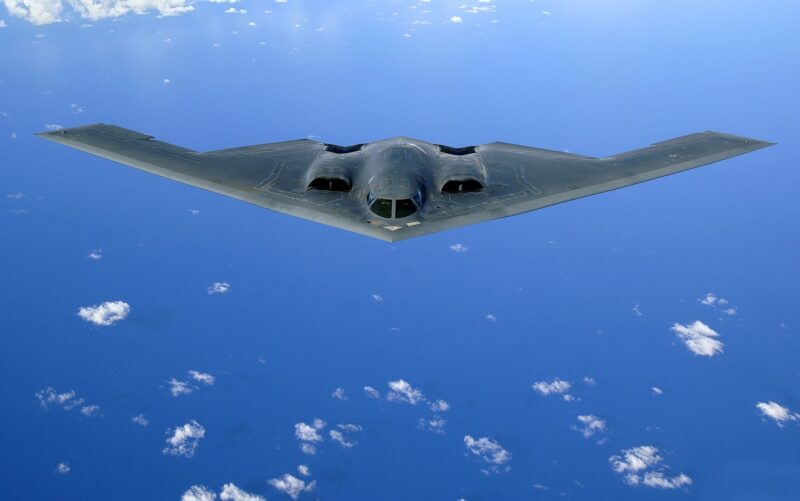
– Northrop Grumman B-2 Spirit: As a strategic stealth bomber, the B-2 is designed for penetrating dense anti-aircraft defenses. Its unique shape and use of composite materials enable it to fly undetected, while its speed allows for rapid deployment of payloads in critical zones.
– Lockheed Martin F-35 Lightning II: The F-35 features a combination of stealth, speed, and versatility, making it a capable multi-role fighter for various missions. It integrates advanced avionics and sensor systems while maintaining a top speed exceeding Mach 1.6.
5. Challenges in Balancing Stealth and Speed
While advancements in technology provide numerous advantages, achieving a balance between stealth and speed presents challenges:
– Design Trade-offs: The shapes that enhance stealth may not always be optimal for speed, and vice versa. Engineers must balance these competing demands to achieve the perfect blend without compromising the aircraft’s mission profile.
– Cost and Complexity: Incorporating stealth features often increases the complexity and cost of aircraft. This requires significant investment in research and manufacturing processes, which may limit the number of aircraft a country can produce.
Conclusion
In conclusion, the development of military jets with stealth and speed capabilities has become imperative for nations seeking to maintain air superiority and strategic advantage. As technology continues to advance, the integration of these features will play a critical role in the future of aerial combat. The evolving nature of warfare ensures that stealthy, fast military jets will remain at the forefront of military aviation, influencing tactics and strategies for years to come.
By understanding the fundamentals of stealth and speed in military aviation, nations can better equip their air forces and be prepared for the challenges of modern warfare.