Why Anglers Are Obsessed with Catching Trophy Fish and How They Do It

Oliver Sutton
November 11, 2024
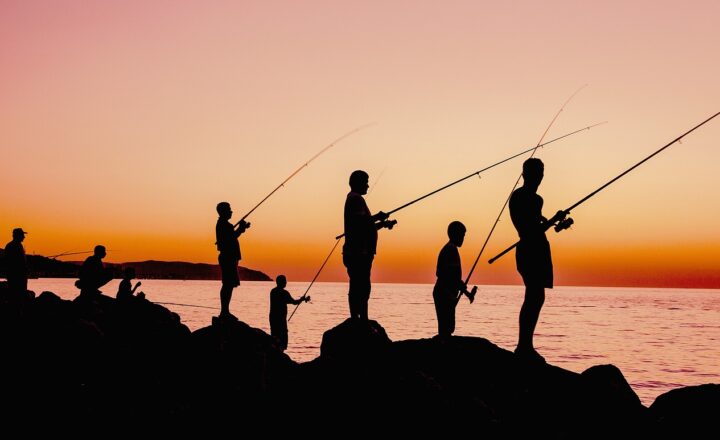
Anglers around the world exhibit an unwavering obsession for landing trophy fish. From the deep waters of the Pacific Ocean to inland lakes and rivers, the pursuit of larger-than-life catches ignites a passion that unites hobbyists, professionals, and weekend warriors alike. But what drives this fixation, and what strategies do experienced anglers employ to hook that elusive trophy? Let’s dive into the reasons behind this obsession and explore the techniques that can lead to success on the water.
1. The Allure of Trophy Fishing
For many anglers, catching trophy fish is about more than just the fight—it represents a profound and visceral connection to nature, competition, and personal achievement. Here are several factors that contribute to the allure of trophy fishing:
- Challenge and Skill: Successfully landing a trophy fish requires a high level of skill, patience, and understanding of fish behaviors. The thrill of overcoming obstacles in pursuit of these magnificent creatures can be deeply rewarding.
- Status and Recognition: Posting a photo of a giant catch on social media can gain significant recognition within angling communities. Many anglers find joy in sharing their catches, earning respect from peers, and potentially winning competitions or awards.
- Connection to Nature: Fishing provides an escape from daily life, allowing anglers to immerse themselves in beautiful natural settings. Many view the pursuit of trophy fish as a way to connect more profoundly with their surroundings.
- Adventure and Exploration: The quest for trophy fish often leads individuals to remote fishing locations, resulting in unforgettable adventures and unique experiences that go beyond simply catching fish.
With such compelling motivations, it’s no wonder that many anglers dedicate their time and resources to the pursuit of trophy fish, often investing in specialized equipment, travel, and techniques specific to their target species.
2. Understanding the Best Species for Trophy Fishing
Different species are known for their potential to grow to trophy sizes, making them particularly sought after by anglers. Here are some of the most popular trophy fish species:
- Largemouth Bass: Commonly found in lakes and ponds, the largemouth bass is one of the most sought-after trophy fish in North America, known for its aggressive strikes and acrobatic fights.
- Pike and Musky: These two species are famous for their size and ferocity, with muskies often referred to as “the fish of 10,000 casts” because of their elusive nature.
- Trout: Certain species, such as the Lake Trout or Rainbow Trout, can reach impressive sizes and make for exciting catches in both freshwater lakes and rivers.
- Tarpon: Known for their incredible jumps and strong fights, tarpon are prized by saltwater anglers. These fish can grow up to 280 pounds and are found in warm coastal waters.
- Tuna: Large species like the Bluefin Tuna offer unmatched battles and are highly sought after for their size, speed, and the sport fishing challenge they present.
Each of these species requires specific approaches and techniques for a successful catch, and knowledgeable anglers stay informed about the best practices for each.
3. Essential Techniques for Catching Trophy Fish
To turn the obsession to reality, anglers employ a variety of techniques and tactics. Here are vital strategies that can improve the chances of hooking a trophy fish:
- Research and Preparation: Knowledge is paramount. Successful anglers study the bodies of water they plan to fish, focusing on local regulations, seasonal patterns, and fish behavior.
- Water Temperature: Understanding the temperature preferences of target species can greatly enhance success rates.
- Seasonal Movements: Fish often have feeding patterns that change with the seasons. Timing your trips during spawning seasons or migratory patterns is key.
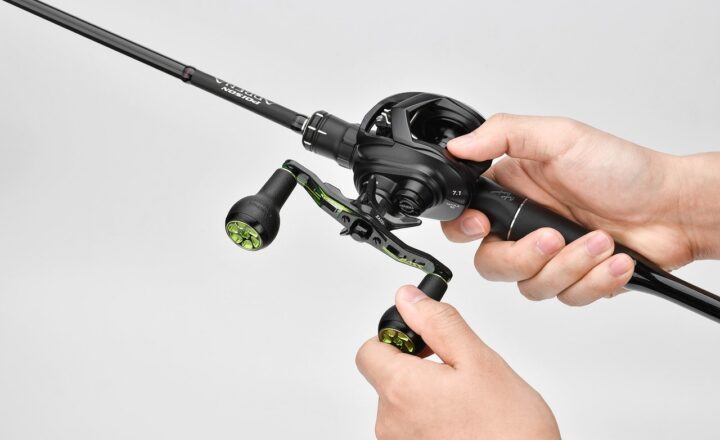
- Quality Equipment: Investing in high-quality rods, reels, and lures can make a significant difference. Different fish types require appropriately matched gear to handle the stress of landing larger specimens.
- Fishing Techniques: Employ various methods such as trolling, fly fishing, or casting from the shore, depending on the targeted species and water conditions. Each technique has its own nuances to master.
- Catch and Release Practices: Many anglers practice catch and release to preserve the fish population and enable future generations to enjoy the thrill of trophy fishing.
- Bait Selection: Choosing the appropriate bait or lure can often dictate success. Live bait may attract certain species, while others are enticed by artificial lures designed to mimic prey.
- Patience and Persistence: Trophy fishing isn’t usually about immediate success; it often requires hours, days, or even weeks of persistence. The best anglers remain patient and committed to the experience.
These techniques not only enhance anglers’ chances of catching trophy fish but also contribute to the overall enjoyment and fulfillment of the sport.
4. The Future of Trophy Fishing
As more anglers join the pursuit of trophy fishing, it’s crucial to consider the long-term sustainability of fish populations and aquatic habitats. Sustainable fishing practices help ensure future generations can enjoy the thrill of catching trophy fish. Here are some trends and practices shaping the future of trophy fishing:
- Conservation Efforts: Many organizations and governmental bodies are implementing conservation measures to protect fish habitats and promote sustainable fishing practices.
- Technological Innovations: Advancements in fishing technology, including fish finders, tracking devices, and improved tackle, enable anglers to become more efficient in their pursuits and gather valuable data on fish behavior.
- Community Engagement: Anglers are joining forces with conservation groups to promote responsible fishing techniques and educate the public about the importance of protecting aquatic ecosystems.
Promoting ethical practices ensures that trophy fishing remains a beloved pastime while preserving the delicate balance of our natural aquatic environments.
Conclusion
The obsession with catching trophy fish is rooted in various factors, including the thrill of the chase, the challenge, and the connection to nature. By understanding the motivations behind this passion and employing effective techniques, anglers can enhance their experiences and successes on the water. As the sport continues to evolve, it’s essential to embrace sustainable practices that allow future generations of anglers to enjoy the same excitement and passion in pursuit of trophy fish.
Whether you’re a seasoned angler or just starting, remember that the journey of trophy fishing is filled with stories and adventures, culminating in those unforgettable moments when all your efforts culminate in a significant catch. Embrace the thrill, respect the environment, and enjoy the great outdoors.