What You Need to Know About Post-Cycle Therapy After Using Steroids

Daniel Foster
November 14, 2024
Steroid use has been a controversial topic for decades, particularly in the realms of bodybuilding, athletics, and fitness. While anabolic steroids can enhance muscle mass, strength, and overall performance, the misuse of these substances can lead to a variety of negative side effects. One of the crucial aspects often overlooked by users is Post-Cycle Therapy (PCT).
PCT is essential for anyone who has used anabolic steroids, as it helps restore the body’s natural hormone levels, mitigate side effects, and maintain gains made during the steroid cycle. In this article, we will delve deep into the intricacies of PCT, its importance, protocols, and considerations to ensure a safe transition post-steroid cycle.
1. Understanding the Need for Post-Cycle Therapy
When the body is exposed to external sources of testosterone or anabolic steroids, it may suppress natural testosterone production. This suppression can lead to hormonal imbalances, which can manifest in various ways, including:
- Loss of Muscle Mass: Once steroid use is halted, users may experience rapid muscle loss if natural testosterone levels are not restored quickly.
- Fat Gain: Hormonal imbalances can lead to increased fat storage, especially around the abdomen, affecting body composition negatively.
- Mood Swings & Fatigue: Users often face emotional instability, fatigue, and even depression due to hormonal shifts after stopping steroids.
- Decreased Libido: Low testosterone can result in diminished sexual drive and performance issues.
PCT aims to counteract these effects, helping the body gradually regain its natural hormonal balance, thereby promoting recovery without experiencing severe rebound effects.
2. The Importance of Timing in PCT
Timing is critical when it comes to initiating Post-Cycle Therapy. The ideal moment to begin PCT is typically 1-2 weeks after the last steroid dose, depending on the type of steroids used. Here’s why:
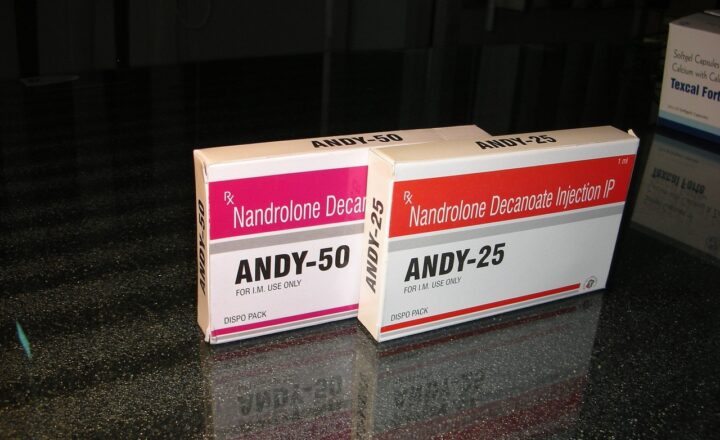
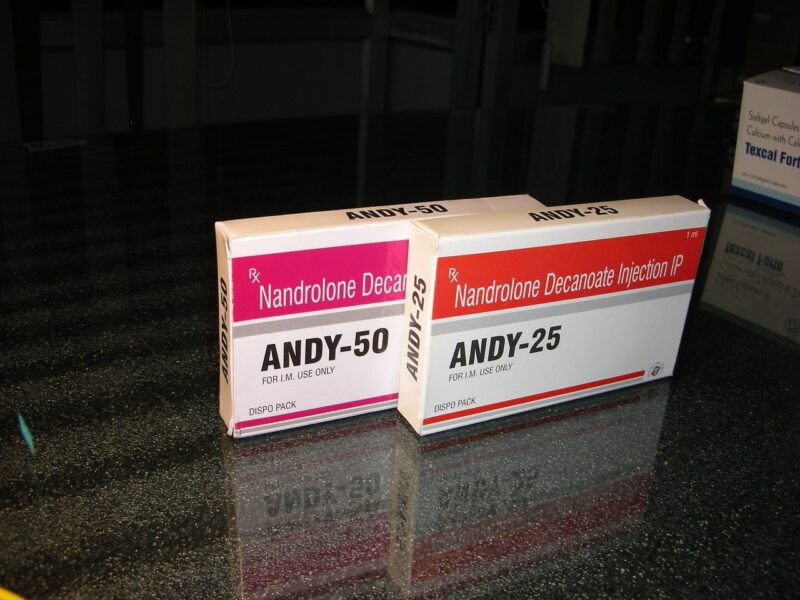
- Half-Life of Steroids: Different steroids have varying half-lives. Long-acting esters like testosterone enanthate or nandrolone decanoate take longer to exit the system, while shorter esters, like testosterone propionate, clear out faster. PCT should align with the steroid’s elimination from the body to be effective.
- Recovery Window: Initiating PCT too early can interfere with recovery, while waiting too long might lead to unnecessary muscle loss and hormonal dysfunction. The suggestion of 1-2 weeks is a general guideline that considers these factors efficiently.
3. Common PCT Protocols
While there’s no one-size-fits-all protocol for PCT, several effective methods and substances have been widely adopted. The choice largely depends on the individual and the specifics of the steroid cycle, such as the type of steroids used, cycle length, and overall health. Here are some popular substances commonly used in PCT:
- Selective Estrogen Receptor Modulators (SERMs): The most common medications prescribed for PCT include Clomiphene Citrate (Clomid) and Tamoxifen Citrate (Nolvadex). These compounds work by blocking estrogen in the hypothalamus, which encourages the pituitary gland to release more luteinizing hormone (LH) and follicle-stimulating hormone (FSH)—critical hormones for testosterone production.
- Human Chorionic Gonadotropin (HCG): HCG can be used in conjunction with SERMs to help stimulate the testes directly, enhancing testosterone production during the recovery phase. It’s often recommended for those coming off long cycles, where testicular atrophy is a concern.
- Aromatase Inhibitors: In some cases, users may incorporate aromatase inhibitors like Anastrozole (Arimidex) to control estrogen levels during PCT, especially if high estrogen symptoms develop (such as gynecomastia or water retention).
A typical PCT regimen might last anywhere from 4 to 6 weeks, with the following example structure:
– Weeks 1-4: Clomid at 50mg daily and Nolvadex at 20mg daily.
– Optional HCG: Include HCG during the last couple of weeks of the steroid cycle and the first two weeks of PCT (500-1000 IU every other day).
Always consult a healthcare professional before starting any PCT regimen to ensure safety and efficacy based on personal health conditions.
4. Nutritional and Lifestyle Considerations for PCT
While medications play a vital role in PCT, users should also consider nutritional and lifestyle changes to aid recovery:
- Healthy Diet: Focus on balanced nutrition rich in lean proteins, healthy fats, and complex carbohydrates to support hormonal recovery and overall health. Foods rich in zinc (like shellfish and nuts) and vitamin D can also promote testosterone production.
- Hydration: Proper hydration is essential to support metabolic processes and hormone production.{’20’:”Make sure you consume enough water daily, as dehydration can hinder recovery.”}
- Exercise and Rest: Keeping up with regular exercise while allowing adequate rest and recovery is crucial. Incorporate both strength and cardiovascular training. However, avoid overtraining, as the body needs energy to heal during PCT. Listen to your body and adjust your workout intensity accordingly.
Additionally, consider avoiding alcohol and recreational drugs during PCT, as they can interfere with hormonal balance and recovery.
5. Potential Side Effects of PCT
Even though PCT is crucial for recovery, it can come with its own set of challenges or side effects, including:
- Estrogen Rebound: In some cases, when the body begins to produce testosterone again after using SERMs or if aromatase inhibitors are introduced too aggressively, there’s a potential for estrogen levels to spike, leading to unwanted side effects, such as water retention, mood swings, or gynecomastia.
- Testosterone Fluctuations: Users may experience mood swings, fatigue, or reduced libido due to fluctuations in testosterone levels while the body works to regain its hormonal balance.
- Dependency on Medications: Some users may become psychologically dependent on PCT drugs, often fearing they won’t maintain muscle gains without them. This emphasizes the importance of responsible steroid use and proper post-cycle management.
To mitigate these potential side effects, monitoring by a healthcare professional is strongly recommended. Routine blood tests can help track hormone levels and adjust treatment as necessary.
Conclusion: The Road to Recovery
Post-Cycle Therapy is an essential component of recovery for anyone who has used anabolic steroids. Properly executed PCT can significantly reduce the risk of adverse side effects, help retain muscle gains, and restore hormonal balance. Understanding the principles of timing, protocols, nutritional support, and potential risks is vital to a successful transition.
Before starting or finishing any steroid cycle, users should educate themselves, maintain communication with healthcare providers, and be diligent about monitoring their health. Responsible usage and thorough PCT can pave the way for safe and effective bodybuilding and athletic achievements, ensuring strength and health for the long haul.
If you are considering steroid use, remember that knowledge, preparation, and precaution are key to a successful experience and recovery.