What You Need to Know About Owning a Small Exotic Pet, Like a Sugar Glider

Lucas Bennett
November 15, 2024
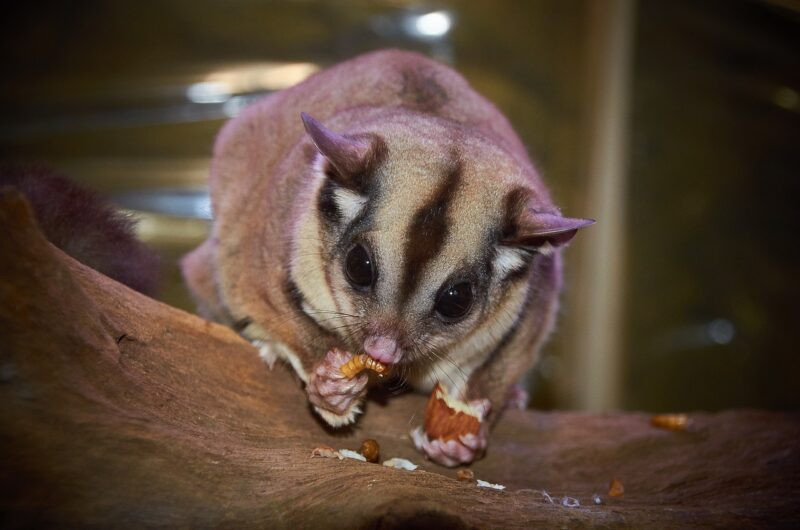
Owning a small exotic pet, such as a sugar glider, can be an exciting and rewarding experience. However, potential pet owners should carefully consider what it entails before making a commitment. Sugar gliders are unique creatures that possess specific needs, behaviors, and legal considerations that can make them different from more conventional pets like cats or dogs. In this article, we’ll explore everything you need to know about owning a sugar glider as a pet, including their diet, habitat, social needs, legal considerations, and care requirements.
1. What is a Sugar Glider?
Sugar gliders are small, nocturnal marsupials native to Australia, New Guinea, and nearby islands. They are notable for their ability to glide through the air thanks to a membrane that stretches from their wrists to their ankles. Sugar gliders are typically about 10 to 12 inches long when fully grown, including their tail, which can be as long as their body. Their large, expressive eyes, soft fur, and playful demeanor make them appealing as exotic pets.
2. Legal Considerations for Owning Sugar Gliders
Before acquiring a sugar glider, it’s crucial to research the legal status of owning one in your area. In the United States, the legality of sugar glider ownership varies by state and even local jurisdiction. Some states have restrictions or require permits for ownership, while others completely ban the keeping of sugar gliders as pets. Therefore, it’s essential to check with your local wildlife agency or authority to ensure you can legally own a sugar glider.
Additionally, some breeders and pet stores may not adhere to legal or ethical breeding practices. Ensure you acquire your sugar glider from a reputable source that provides proper care and socialization before they come home with you.
3. Creating a Suitable Habitat
Sugar gliders have specific habitat needs that must be met for them to thrive in captivity. Here are some considerations when setting up their living environment:
- Cage Size: A large cage is essential to provide ample space for gliding. The minimum recommended cage size is 24x24x48 inches. This should contain multiple levels, horizontal bars for climbing, and spaces for play.
- Cage Material: Opt for a cage made of metal or durable materials to prevent chewing. Avoid plastic, as sugar gliders have a natural inclination to gnaw on items in their environment.
- Bedding: Use safe and absorbent bedding material, like paper-based bedding or aspen shavings, as opposed to cedar or pine, which can be harmful to their health.
- Hiding Spots: Sugar gliders are naturally nocturnal and enjoy hiding and nesting. Incorporate multiple hiding spots, such as hammocks or tunnels, in their cage to provide a sense of security.
Additionally, placing various toys and climbing structures within the cage can keep them entertained and encouraged to exercise.
4. Sugar Glider Diet Requirements
A sugar glider’s diet is crucial for their health and longevity. They are omnivorous, which means they require a balanced mix of nutrients. Their diet primarily consists of:
- Fruits and Vegetables: Fresh fruits and vegetables should make up about 50% of their diet. Ideal fruits include apples, bananas, and melons, while vegetables like carrots and leafy greens are excellent choices.
- Protein Sources: Protein is essential for sugar gliders. Include insects (like mealworms), cooked eggs, and even small amounts of lean meats in their diet for variety.
- Specialized Pellets: There are commercially available diets specifically formulated for sugar gliders, which can help ensure they’re receiving the essential nutrients they need. However, these should only be a part of their overall diet and complemented with fresh foods.
Always avoid feeding sugar gliders foods that are high in fat and sugar, as these can lead to obesity and related health issues.
5. Social Requirements and Interaction
Sugar gliders are highly social animals, so it’s crucial to consider their need for companionship. In the wild, they live in groups, and isolation can lead to stress and behavioral issues. Here are some important social considerations:
- Companionship: It’s generally recommended to adopt at least two sugar gliders to provide social interaction. This will help meet their social needs and prevent loneliness.
- Bonding Time: Spend quality time with your sugar gliders daily. They tend to bond closely with their owners, but patience is key as they may be timid initially. Gradually build their trust by allowing them to explore and interact during playtime.
- Handling and Play: Sugar gliders enjoy being handled but require careful introduction. Start by letting them get accustomed to your scent and voice before attempting to hold them. They are curious and will often enjoy free-roaming time outside their cage in safe environments under supervision.
Building a strong bond with your sugar gliders will lead to a fulfilling pet-owner relationship and a happier pet.
6. Health and Maintenance
Regular health check-ups by a veterinarian familiar with exotic pets are essential in ensuring your sugar gliders remain healthy and thrive in captivity. Here are general care and maintenance tips:
- Regular Vet Check-Ups: Schedule annual veterinary visits to keep your sugar gliders healthy and monitor for any signs of illnesses or parasites. Sugar gliders can be prone to certain diseases if not properly cared for.
- Grooming: While they don’t require extensive grooming, check their nails and trim them as needed. This prevents excessive overgrowth and keeps their feet healthy.
- Observe for Behavioral Changes: Pay attention to any changes in behavior, appetite, or energy levels. Any drastic changes could be a sign of underlying health issues that require immediate veterinary attention.
Conclusion
Owning a sugar glider can be a delightful and fulfilling adventure, but it’s vital to be fully aware of their unique needs and responsibilities. From understanding legal considerations and habitat requirements to social interaction and diet, prospective sugar glider owners must be prepared for the challenges and joys of keeping these small exotic pets. With proper care, attention, and love, you can provide a healthy and enriching environment for your sugar gliders to thrive in.
Before bringing a sugar glider into your home, take the time to conduct thorough research and ensure you’re ready for the commitment. Doing so will lead to a joyous experience for both you and your exotic companions.