Understanding Solar Power: How to Make Your Home Energy-Efficient

Evan Morgan
November 2, 2024
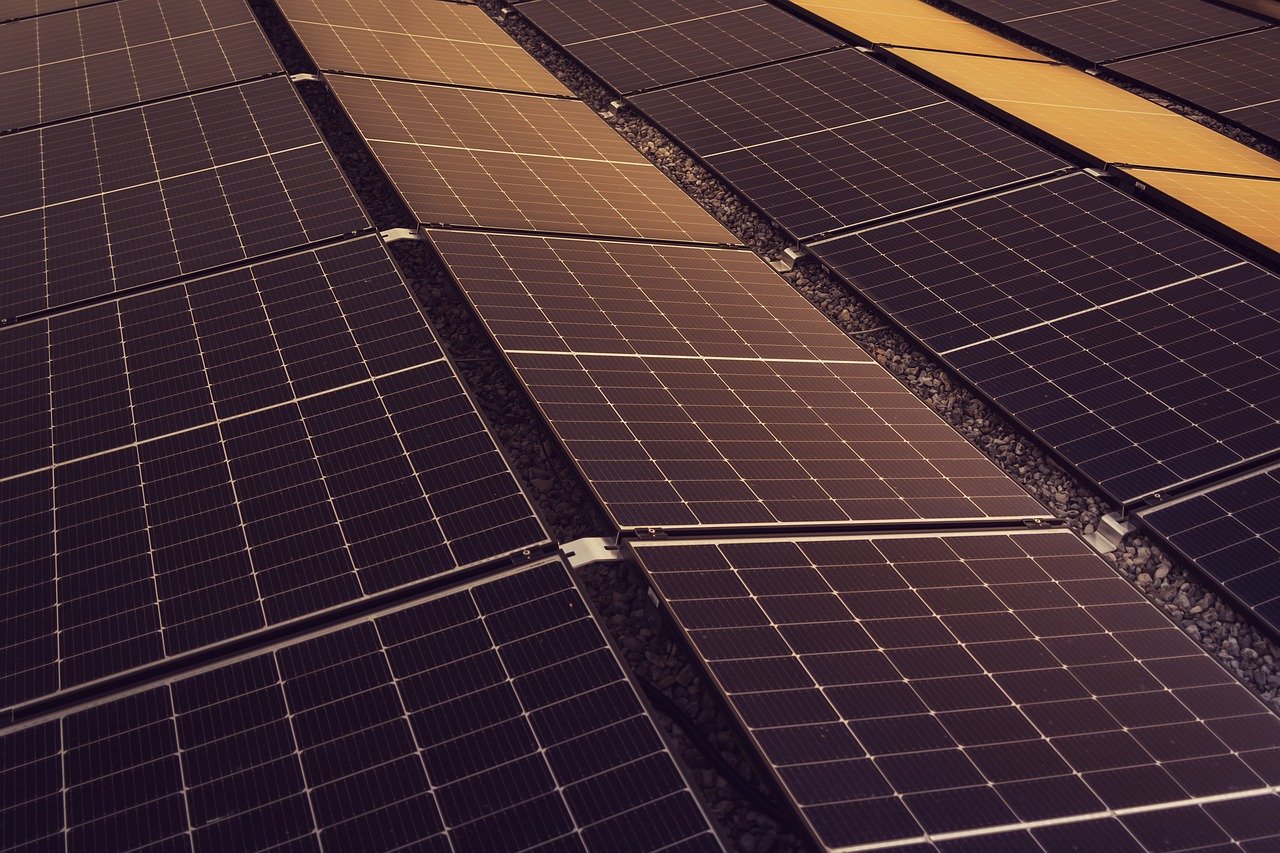
Solar power is one of the most accessible and sustainable energy sources available today. As homeowners look for ways to reduce energy costs and decrease their carbon footprint, solar energy provides an excellent solution. By harnessing the sun’s power, you can make your home more energy-efficient and environmentally friendly.
In this article, we’ll explore how solar power works, the benefits of installing solar panels, and practical steps you can take to make your home more energy-efficient.
1. How Does Solar Power Work?
Solar power is generated through photovoltaic (PV) cells, which convert sunlight directly into electricity. When sunlight hits these cells, it excites the electrons, creating an electric current. Solar panels consist of multiple PV cells that work together to produce usable electricity for your home.
Key components of a solar power system:
- Solar Panels: Photovoltaic panels installed on your roof capture sunlight and convert it into electricity.
- Inverter: The inverter converts the DC (direct current) electricity from the solar panels into AC (alternating current) electricity, which can be used in your home.
- Battery (optional): A battery stores excess energy generated during the day for use at night or during cloudy days.
Understanding how solar power works can help you decide if it’s the right choice for your home.
2. Benefits of Solar Power for Homeowners
Solar power offers several advantages, from environmental benefits to financial savings. Installing solar panels can reduce your reliance on the grid and lower your utility bills over time.
Top benefits of solar power:
- Reduced Energy Bills: By generating your own electricity, you can lower or even eliminate your monthly energy costs.
- Environmental Impact: Solar power is a clean, renewable energy source that reduces greenhouse gas emissions and dependence on fossil fuels.
- Increased Home Value: Solar panels can increase the resale value of your home by making it more energy-efficient and appealing to eco-conscious buyers.
- Tax Incentives and Rebates: Many governments offer tax credits, rebates, and incentives to offset the cost of installing solar panels.
These benefits make solar power a worthwhile investment for homeowners looking to save money and contribute to environmental conservation.
3. Steps to Make Your Home Energy-Efficient with Solar Power
Transitioning to solar energy involves careful planning and implementation. From evaluating your home’s energy needs to choosing the right solar system, each step is essential to maximize efficiency and cost-effectiveness.
Step 1: Evaluate Your Energy Needs
Before installing solar panels, assess your household’s energy consumption. Review your utility bills to understand your average monthly usage, and identify areas where you can reduce energy use.
Step 2: Improve Home Insulation
An energy-efficient home starts with good insulation. Ensuring that your windows, doors, walls, and roof are properly insulated will help maintain indoor temperature, reducing the amount of energy needed for heating and cooling.
Step 3: Choose Energy-Efficient Appliances
Replace old, energy-consuming appliances with energy-efficient models. Look for the ENERGY STAR label when selecting new appliances, as these are designed to consume less electricity without compromising performance.
Step 4: Install Solar Panels
Once your home is optimized for energy efficiency, consider installing solar panels. Consult with a professional to determine the right size and type of system for your needs. The number of panels you’ll need depends on your energy consumption and the amount of sunlight your roof receives.
Step 5: Consider a Solar Battery
A solar battery can store excess energy generated during the day for use at night or on cloudy days. This can increase your energy independence and provide backup power during outages.
Taking these steps will maximize the benefits of solar power and make your home as energy-efficient as possible.
4. Financial Considerations of Solar Power
Installing solar panels is a significant investment, but the financial benefits can be substantial in the long run. In addition to reducing your energy bills, solar power systems offer opportunities for tax savings and increased property value.
Key financial considerations:
- Upfront Costs: While the initial cost of installing solar panels can be high, many companies offer financing options and leasing programs.
- Tax Credits and Incentives: Look into federal and local tax credits, rebates, and incentives that can lower the overall cost of your solar installation.
- Long-Term Savings: Over time, the savings on your energy bills can offset the initial investment, making solar panels a cost-effective choice.
Calculating your expected return on investment (ROI) can help you make an informed decision about solar power.
5. Maintaining Your Solar Panels
Regular maintenance ensures that your solar panels perform efficiently and extend their lifespan. Fortunately, solar panels are low-maintenance, requiring only periodic cleaning and inspection.
Maintenance tips for solar panels:
- Clean Panels: Dust, dirt, and debris can accumulate on your panels, reducing efficiency. Clean them periodically or hire a professional cleaning service.
- Inspect for Damage: Check for cracks or other signs of wear, and address any issues promptly.
- Monitor Performance: Many systems come with monitoring tools that allow you to track your energy production and ensure your system is working efficiently.
By keeping your solar panels in good condition, you can ensure optimal energy production and longevity.
Conclusion
Investing in solar power is a great way to make your home more energy-efficient, reduce your carbon footprint, and save on energy costs. With careful planning and regular maintenance, a solar power system can provide long-term benefits that enhance your quality of life and protect the environment.
If you’re considering solar power, take the time to research and understand your options. With the right approach, solar energy can become a valuable part of your home’s energy strategy.