Understanding Climate Change: The Facts You Need to Know

Mia Jensen
October 26, 2024
Climate change is one of the most pressing issues facing our planet today. Understanding its causes, impacts, and what we can do to mitigate it is essential for creating a sustainable future. In this article, we’ll explore the science behind climate change, the consequences we’re already experiencing, and the steps needed to combat this global crisis.
1. What is Climate Change?
Climate change refers to long-term shifts in temperature, precipitation, wind patterns, and other elements of the Earth’s climate system. While climate change has occurred throughout Earth’s history, the term now commonly refers to recent changes largely driven by human activities, especially the burning of fossil fuels, deforestation, and industrial processes.
2. The Science Behind Climate Change
Climate change is primarily driven by an increase in greenhouse gases (GHGs) in the atmosphere, including carbon dioxide (CO2), methane (CH4), and nitrous oxide (N2O). Here’s how these gases contribute to global warming:
- The Greenhouse Effect: GHGs trap heat from the sun, warming the Earth’s surface. While the greenhouse effect is necessary to keep our planet habitable, excessive GHGs enhance this effect, leading to rising temperatures.
- Fossil Fuel Combustion: Burning coal, oil, and natural gas for energy releases large amounts of CO2, the primary greenhouse gas responsible for warming.
- Deforestation: Trees absorb CO2, and when they’re cut down, that CO2 is released back into the atmosphere, further exacerbating the greenhouse effect.
Scientific consensus confirms that human activities are the primary cause of recent climate changes, a fact supported by extensive research and data.
3. Effects of Climate Change on the Planet
The impacts of climate change are already being felt across the globe. Some of the most significant consequences include:
- Rising Temperatures: Average global temperatures have risen significantly, leading to more extreme heatwaves and altered weather patterns.
- Melting Ice and Rising Sea Levels: The polar ice caps and glaciers are melting at unprecedented rates, contributing to rising sea levels that threaten coastal cities.
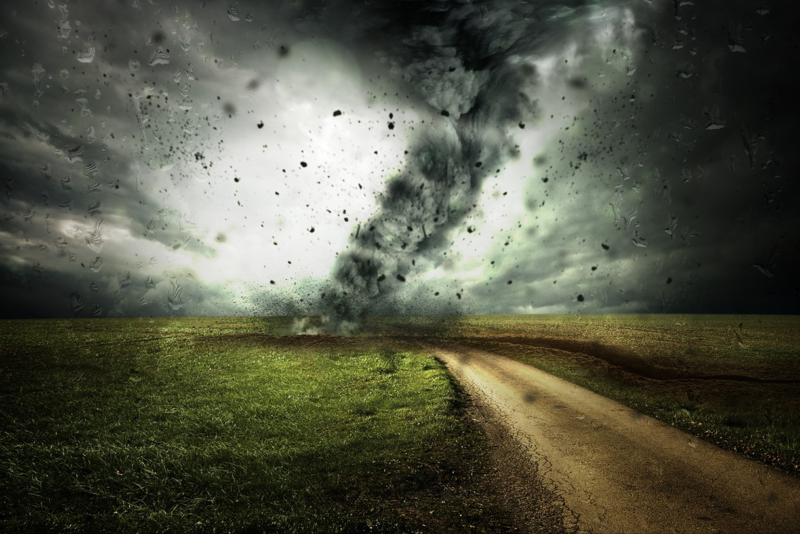
- More Intense Storms: Warmer ocean temperatures fuel stronger hurricanes, typhoons, and cyclones, increasing the risk of damage and loss of life.
- Loss of Biodiversity: Climate change threatens ecosystems and biodiversity, putting many species at risk of extinction due to habitat loss, shifting ecosystems, and changing food sources.
These changes not only affect the environment but also pose significant risks to human health, food security, and economic stability.
4. Climate Change and Human Health
The health implications of climate change are significant, affecting people’s physical and mental well-being:
- Respiratory Issues: Rising temperatures contribute to poor air quality, exacerbating respiratory conditions like asthma and allergies.
- Heat-Related Illnesses: Increased temperatures can lead to heat-related illnesses such as heat exhaustion and heat stroke, especially in vulnerable populations.
- Vector-Borne Diseases: Changes in temperature and precipitation allow disease-carrying insects, like mosquitoes, to expand their range, increasing the spread of diseases such as malaria and dengue fever.
Addressing climate change is essential for safeguarding human health and reducing the risk of climate-related illnesses.
5. Economic Consequences of Climate Change
Climate change has far-reaching economic impacts, affecting various industries, communities, and the global economy:
- Damage to Infrastructure: Extreme weather events like hurricanes and floods cause significant damage to infrastructure, resulting in costly repairs and rebuilding efforts.
- Impact on Agriculture: Changing weather patterns affect crop yields, leading to food shortages and higher prices. Droughts, floods, and unpredictable seasons make farming more challenging.
- Loss of Productivity: Extreme heat can reduce labor productivity, especially in outdoor industries like construction and agriculture.
The financial burden of climate change is enormous, underscoring the need for proactive measures to prevent further economic damage.
6. Steps to Mitigate Climate Change
While the situation is urgent, there are actions we can take to mitigate climate change. Key steps include:
- Transitioning to Renewable Energy: Shifting from fossil fuels to renewable sources like solar, wind, and hydropower is essential to reduce greenhouse gas emissions.
- Energy Efficiency: Improving energy efficiency in homes, buildings, and industries can significantly lower emissions and reduce energy consumption.
- Reforestation and Conservation: Planting trees and protecting existing forests help sequester CO2, absorbing it from the atmosphere and slowing the greenhouse effect.
- Supporting Climate-Friendly Policies: Supporting policies aimed at reducing emissions, conserving resources, and promoting sustainability can create systemic change on a global scale.
Mitigating climate change requires a combination of individual actions, corporate responsibility, and governmental policies to achieve meaningful progress.
7. The Role of Individuals in Combating Climate Change
While climate change is a global issue, individual actions can make a difference. Here are some ways to contribute:
- Reduce, Reuse, Recycle: Minimize waste by recycling, reusing items, and reducing overall consumption.
- Adopt Sustainable Transportation: Walking, biking, using public transport, or driving fuel-efficient vehicles can reduce your carbon footprint.
- Conserve Energy at Home: Simple actions like turning off lights, using energy-efficient appliances, and reducing water usage contribute to lower energy consumption.
By making conscious choices, individuals can reduce their environmental impact and support efforts to combat climate change.
Conclusion
Climate change is an urgent issue that affects every aspect of life on Earth. Understanding the causes, consequences, and actions needed to address climate change empowers us to take meaningful steps toward a sustainable future. By working together, we can mitigate the impacts of climate change, protect the planet, and ensure a healthier, more resilient world for future generations.
The time to act is now. Each step we take brings us closer to a cleaner, safer, and more sustainable world.