Top Electric Vehicle Trends in 2024: Innovations and Insights Shaping the Future of Mobility

Explorix Team
October 18, 2024

Electric vehicles (EVs) have surged in popularity over the past decade, spurred by advancements in technology, environmental awareness, and supportive government policies. As the world moves toward sustainable solutions, the EV market is experiencing unprecedented growth and transformation. In 2024, several key trends are shaping the future of electric mobility. From innovations in battery technology to an expansion of EV models across various segments, this year promises to be pivotal for the industry. Let’s explore the top electric vehicle trends to watch in 2024.
1. The Rise of Solid-State Batteries
One of the most significant developments in EV technology is the rise of solid-state batteries. These batteries offer several advantages over traditional lithium-ion counterparts, including higher energy density, improved safety, faster charging times, and longer lifespan.
Solid-state batteries use a solid electrolyte instead of the liquid or gel electrolyte found in lithium-ion batteries. This makes them less prone to overheating and allows for more compact designs, translating to increased range for electric vehicles. Major players in the industry, such as Toyota, BMW, and QuantumScape, have invested heavily in solid-state technology and are working toward making it commercially viable. With these advancements, we can expect EVs with longer ranges, shorter charging times, and enhanced safety, marking a significant leap forward for the industry.
2. Expansion of Charging Infrastructure
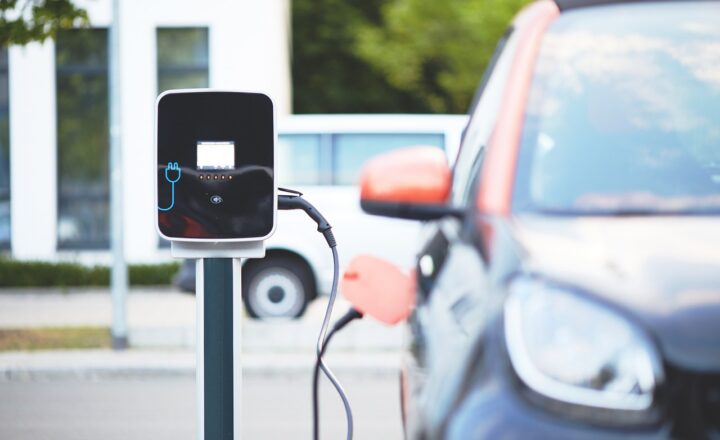
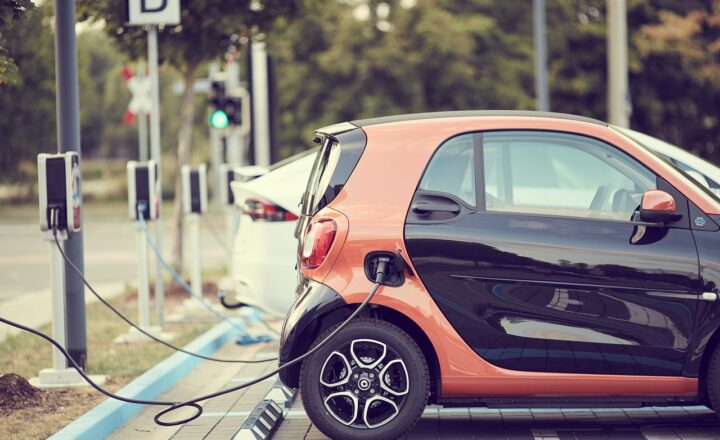
As EV adoption grows, so does the need for accessible and efficient charging infrastructure. In 2024, we’re witnessing a major expansion in charging networks worldwide, driven by government initiatives, private investment, and technological advancements.
Ultra-fast chargers, capable of replenishing an EV battery within minutes, are becoming more common. Moreover, wireless charging technology is entering the scene, allowing drivers to charge their vehicles simply by parking over a designated pad. Key players in this space, including ChargePoint, Tesla, and Shell Recharge, are rapidly deploying charging stations across urban and rural areas, making EVs a more convenient option for all types of drivers. Additionally, governments in various countries are offering incentives to support the installation of home chargers, helping to alleviate range anxiety and improve accessibility.
3. Advances in Autonomous Electric Vehicles
The convergence of electric and autonomous vehicle technologies is another trend to watch. Autonomous EVs (AEVs) promise to revolutionize personal transportation, logistics, and public transit. Many companies, including Tesla, Waymo, and GM’s Cruise, are making strides in developing fully autonomous EV fleets.
AEVs benefit from the quieter operation and lower maintenance costs of electric drivetrains, making them ideal for shared mobility services and delivery applications. Although regulatory and safety challenges remain, significant progress is expected in 2024, with more cities exploring autonomous EV pilot programs. Advances in sensor technology, AI, and machine learning are paving the way for safer and more efficient autonomous EVs, potentially transforming the way we travel in the near future.
4. Increased Focus on Sustainability and Recycling
Sustainability is a core aspect of the EV movement, and 2024 sees a heightened emphasis on eco-friendly practices. Manufacturers are focusing on reducing the carbon footprint of EV production by sourcing materials responsibly, minimizing waste, and recycling components, particularly batteries.
Innovations in battery recycling, such as those pioneered by Redwood Materials and Li-Cycle, are helping to recover valuable metals like lithium, cobalt, and nickel from old batteries. These materials can then be reused in new EV batteries, reducing the demand for mining and lowering environmental impact. Automakers like Tesla, Nissan, and BMW are also exploring closed-loop recycling systems, aiming to create a sustainable life cycle for EV batteries.
5. Impact of Government Policies and Incentives
Government policies play a crucial role in accelerating EV adoption. In 2024, several major markets are offering incentives to both consumers and manufacturers to encourage EV purchases and production. For example, the U.S. government’s Inflation Reduction Act includes tax credits for EV buyers, while the European Union is implementing stricter emissions regulations and funding EV infrastructure projects.
China, the world’s largest EV market, continues to offer subsidies and support for domestic EV manufacturers. These incentives make EVs more affordable and accessible, contributing to increased sales and fostering innovation in the industry. As more countries set ambitious goals for reducing carbon emissions, we can expect even more supportive policies to emerge, further boosting the EV market.
6. Growth of EV Models Across Different Segments
The range of EV models available to consumers is expanding rapidly in 2024. While early EVs were mostly limited to compact cars and luxury sedans, today’s market offers a diverse selection, from electric trucks and vans to high-performance sports cars and affordable compacts.
Automakers like Rivian, Ford, and Tesla are leading the charge in the electric truck market, appealing to consumers who require vehicles with greater cargo capacity and towing power. Meanwhile, brands like Hyundai and Volkswagen are introducing budget-friendly EVs to cater to a broader audience. This diversification allows consumers to choose EVs that suit their lifestyle and budget, further driving adoption across different demographics.
7. Improvement in EV Range and Efficiency
Range anxiety remains one of the main concerns for potential EV buyers. In response, manufacturers are continuously improving battery technology to extend the range of electric vehicles. In 2024, we’re seeing EVs with ranges exceeding 400 miles on a single charge, thanks to innovations in energy storage and management.
Moreover, improved energy efficiency means that newer EV models can go farther on less power, helping to reduce overall energy consumption. These advancements make EVs more practical for long-distance travel and help alleviate concerns about charging availability, particularly in regions with sparse infrastructure.
8. Global Market Trends and Projections
The global EV market continues to grow at an impressive pace, with sales expected to reach new heights in 2024. According to industry projections, EV sales will increase by over 30% this year, with China, Europe, and the United States leading the way.
China remains the largest EV market, driven by supportive government policies and a robust domestic manufacturing industry. In Europe, countries like Norway and Germany are seeing high adoption rates, thanks to generous subsidies and an extensive charging network. The U.S. is also experiencing rapid growth, spurred by government incentives and a growing demand for sustainable transportation.
Conclusion
The electric vehicle industry is undergoing transformative changes in 2024, with trends such as solid-state batteries, expanded charging infrastructure, and sustainable practices driving the market forward. As governments continue to implement policies to support EV adoption and manufacturers innovate to meet consumer needs, the future of mobility looks increasingly electric. Whether you’re considering purchasing an EV or simply interested in the latest developments, staying informed on these trends can provide valuable insights into the future of transportation.