The World’s Largest Ports and How They Operate as Global Trade Hubs

Benjamin Parker
November 11, 2024
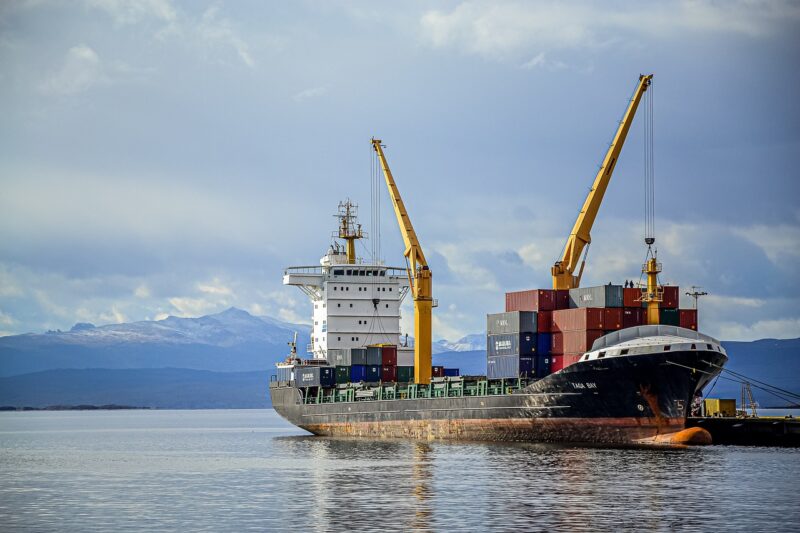
When it comes to global commerce, few places hold as much power as the world’s largest ports. These bustling hubs serve as the entry and exit points for vast quantities of goods being transported across the globe, impacting economies and societies in ways that are hard to quantify. In this article, we will dive deep into the largest ports around the world, explore their operations, and uncover their crucial roles in the international shipping industry.
1. The Importance of Ports in Global Trade
Ports play a vital role in international trade, facilitating the movement of goods and commodities between nations. As conduits of commerce, they contribute significantly to the global economy.
Some key reasons why ports are so crucial include:
- Economic Impact: Ports support local economies by creating jobs and enabling the import and export of goods, contributing to GDP growth and overall economic development.
- Global Hub of Activity: Major ports serve as centralized locations for shipping lines and freight companies, linking manufacturers with international markets.
- Infrastructure Development: The construction and maintenance of ports drive numerous infrastructure projects, including roads, railways, and logistics facilities, benefiting regional communities.
Without ports, global trade would be virtually impossible. Their ability to handle large volumes of cargo while maintaining efficiency is central to modern economics.
2. Ranking the Largest Ports in the World
According to various sources, the following ports are consistently ranked among the largest in the world in terms of container throughput:
– 1. Port of Shanghai, China
With a staggering container throughput exceeding 43 million TEUs (twenty-foot equivalent units) annually, the Port of Shanghai not only stands as the world’s largest port but also represents China’s role as a global economic powerhouse. It leverages sophisticated automation technologies and extensive rail and road connections to facilitate smooth operations.
– 2. Port of Ningbo-Zhoushan, China
This port features more than 300 berths and has a TEU capacity of over 30 million annually. It plays a significant role in exporting Chinese goods worldwide, benefiting from its strategic location along the Yangtze River.
– 3. Port of Shenzhen, China
As a flourishing economic zone, Shenzhen’s port capitalizes on its geographical advantage to serve a highly competitive export market. With a TEU volume surpassing 26 million, it ranks high on the list.
– 4. Port of Guangzhou, China
Another significant player in China, the Port of Guangzhou has a rich history dating back centuries. Today, it handles around 23 million TEUs annually and serves as a critical point for accessories, consumer goods, and machinery.
– 5. Port of Busan, South Korea
This is the largest port not only in South Korea but in the entire country. Handling roughly 21 million TEUs each year, Busan serves as a gateway to Asian trade routes and offers extensive logistics capabilities.
These ports exemplify efficiency and effectiveness in serving global trade.
3. How Ports Operate: A Closer Look
The operation of modern ports is complex and involves numerous processes designed to maximize efficiency and minimize delays. Here are some key components:
– Container Handling: This involves unloading cargo from ships using cranes, transporting containers to storage areas, and loading them onto trucks and trains for distribution. Sophisticated machinery, including automated cranes and AGVs (automated guided vehicles), are extensively used.
– Customs and Inspections: Every shipment must pass through security and customs checks to ensure compliance with local laws and regulations. This process can be streamlined through more advanced technologies such as blockchain and AI to reduce delays and improve transparency.
– Logistical Coordination: Ports often serve as logistical hubs that connect shipping activities with land transportation options. Efficient coordination ensures timely delivery schedules and keeps supply chains running smoothly.
– Environmental Management: Modern ports are increasingly adopting eco-friendly initiatives to minimize their carbon footprint through renewable energy sources, waste management systems, and stricter pollutants standards.
The synergy of these components ensures that operations run smoothly, enabling ports to handle significant volumes of cargo efficiently.
4. Challenges Facing Global Ports
Despite their importance, many ports face ongoing challenges:
– Congestion and Capacity Issues: Major ports often experience congestion, leading to delayed transport schedules and increased costs.
– Environmental Regulations: With increasing scrutiny over carbon emissions, ports must invest in cleaner technologies and practices, which can be costly.
– Global Economic Fluctuations: Changes in global demand impact trade volumes, causing periodic disruptions in port operations.
– Technological Disruption: Ports need to stay ahead of technological advancements, from automation to cybersecurity, to maintain competitiveness and efficiency.
These challenges require continuous adaptability and innovation to ensure the role of ports in global trade remains robust.
5. The Future of Ports in Global Trade
As global trade continues to evolve in the digital age, ports are embracing innovations that will shape their future:
– Digitization: Ports are investing in digital technologies such as IoT (Internet of Things) for real-time tracking, big data analytics for predictive maintenance, and integrated communication systems to connect different stakeholders effectively.
– Green Initiatives: There’s a significant push towards carbon-neutral operations. This includes the adoption of alternative fuels, electrification of machinery, and energy-efficient designs for port facilities.
– Automation Technologies: From automated cranes to self-driving trucks, automation will streamline operations, reducing labor costs and increasing efficiency.
– Enhanced Security Measures: Ports will implement better security practices to protect against cyber threats and physical security risks.
Through embracing these innovations, ports can improve their operations and continue to play a central role in global trade.
Conclusion
The world’s largest ports are not just gateways for importing and exporting goods but are structured systems that play multifaceted roles in global trade. Their operations involve intricate logistical coordination and face various challenges that they must continually adapt to. As we look toward the future, the integration of advanced technologies and sustainable practices will shape the next generation of global trade hubs, ensuring that ports can efficiently support our interconnected world.
Understanding the significance and operation of these critical infrastructures is essential for anyone interested in international trade, logistics, and the future of global commerce.