The Untold Story of Airline Innovations That Changed Travel Forever

Ryan Pierce
November 17, 2024

Air travel has always been a fascination for the human race, embodying the spirit of adventure and progress. Yet, behind the scenes, there are countless innovations in technology, safety, and comfort that have transformed the airline industry into what it is today. In this article, we will take an in-depth look at some of the most significant innovations in the airline industry that have made air travel safer, more enjoyable, and more accessible than ever before.
1. The Birth of Commercial Aviation
The story of airline innovations begins in the early 20th century when the first commercial flights emerged. In 1914, the St. Petersburg-Tampa Airboat Line initiated the first scheduled air service, using a Benoist XIV aircraft. This marked the dawn of commercial aviation, but it was just the beginning of a series of groundbreaking innovations that would shape the future of travel.
One of the earliest milestones was the development of the Douglas DC-3 in the 1930s. Known for its reliability and versatility, the DC-3 was the first aircraft to make commercial air travel profitable. It demonstrated that flying could be not only safe but also economically viable, paving the way for the expansion of airlines worldwide.
2. The Jet Age: Revolutionizing Speed and Efficiency
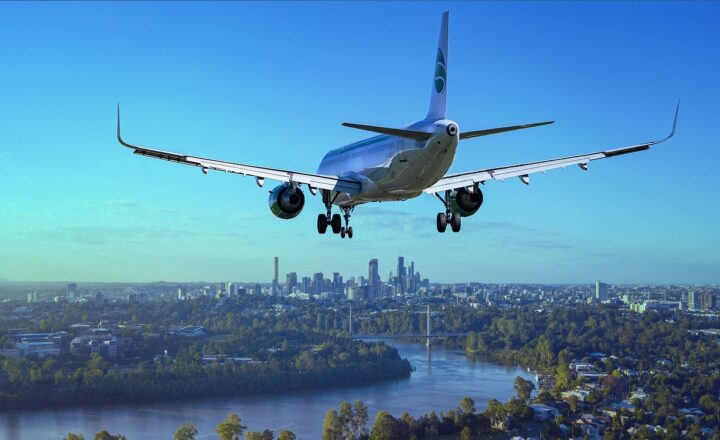
The advent of the jet engine in the 1950s marked a revolutionary shift in aviation. Aircraft like the Boeing 707 and the Douglas DC-8 transformed the industry by enabling faster long-haul flights, drastically reducing travel time across continents.
Jet engines were not just about speed; they also increased fuel efficiency compared to their propeller-driven predecessors. The introduction of jets made international travel more accessible to the average person, allowing millions to experience the thrill of flying. This period also saw airlines competing on a global scale, resulting in lower fares and improved services.
3. Advancements in Safety: From Cockpit Design to Technology
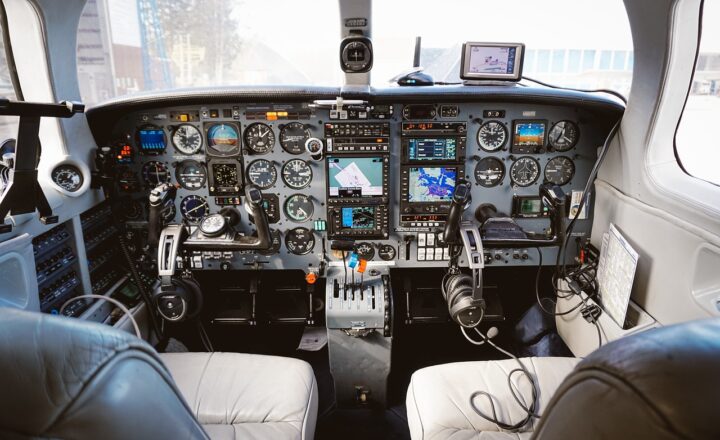
Safety is paramount in aviation, and significant innovations have been made over the decades in cockpit design and avionics. The introduction of the cockpit autopilot system in the 1950s allowed pilots to focus on flying the aircraft while computers handled intricate navigational aspects. This not only eased pilot workload but also reduced the risks of human error.
The development of the fly-by-wire system has further transformed flight safety. Through this technology, pilots control the aircraft using electronic signals rather than physical linkages, providing enhanced maneuverability and stability. The Airbus A320, first launched in 1988, was the world’s first commercial aircraft to fully integrate this technology, setting new standards for safety and control in commercial flights.
4. Passenger Comfort: Beyond the Basics
As air travel evolved, so did passenger expectations. Airlines began rethinking cabin design and amenities, focusing on improving comfort during flights. The introduction of economy class, as well as premium classes, allowed passengers to choose their travel experience according to their budget and preferences.
Innovative seating arrangements have also been a game-changer. The configuration of seats in narrow-body aircraft made for better space utilization and improved comfort levels. Additionally, airlines invested heavily in inflight entertainment systems, offering passengers a wide array of movies, music, and games during their journeys.
One of the most significant advancements in cabin design has been the introduction of lie-flat seats in business class. This change has elevated the travel experience for long-haul flights, catering especially to business travelers who need rest and comfort on their journeys.
5. Sustainable Aviation: Innovations for Mother Earth
In recent years, the aviation industry has come under scrutiny for its environmental impact. To counter this, many airlines are innovating to reduce their carbon footprint. Sustainable aviation fuel (SAF) is one of the most promising developments. These biofuels can reduce greenhouse gas emissions significantly compared to traditional jet fuels.
Airline manufacturers are also exploring the potential of electric and hybrid aircraft. Companies like Boeing and Airbus are investing in research and development to create planes that can operate with reduced fuel consumption and emissions.
Additionally, innovations in aerodynamics, lightweight materials, and engine designs continue to shape a more sustainable future for aviation, ensuring that flying remains not only enjoyable but also responsible.
6. The Digital Revolution: Enhancing the Travel Experience
The digital age has profoundly impacted the airline industry, enabling airlines to provide seamless customer experiences. Innovations in technology, including mobile applications for booking, check-in, and boarding, have made air travel more convenient than ever.
Airlines are utilizing artificial intelligence and big data to personalize passenger experiences, offering tailored recommendations for flights, hotels, and loyalty programs. Chatbots and virtual assistants have revolutionized customer service, providing immediate assistance to travelers.
Furthermore, the implementation of biometric screening at airports enhances security and reduces wait times. By allowing passengers to use their fingerprints or facial recognition for identity verification, airlines can streamline the boarding process and enhance overall travel efficiency.
Conclusion: The Journey Continues
The evolution of the airline industry is a remarkable journey filled with innovation and advancements that have reshaped the way we travel. From the early days of commercial aviation to the digital age, each innovation has made air travel safer, faster, and more enjoyable. As technology continues to evolve and environmental concerns gain prominence, we can expect the airline industry to adapt and innovate further, ensuring that future generations can explore the world with ease.
As we reflect on the untold stories of airline innovations, it is essential to recognize that the sky is not the limit; it’s just the beginning. Every new innovation brings us closer to a future where air travel is accessible to all while ensuring the sustainability of our planet.