The Untold History of Female Superheroes in Comics

Benjamin Parker
November 14, 2024
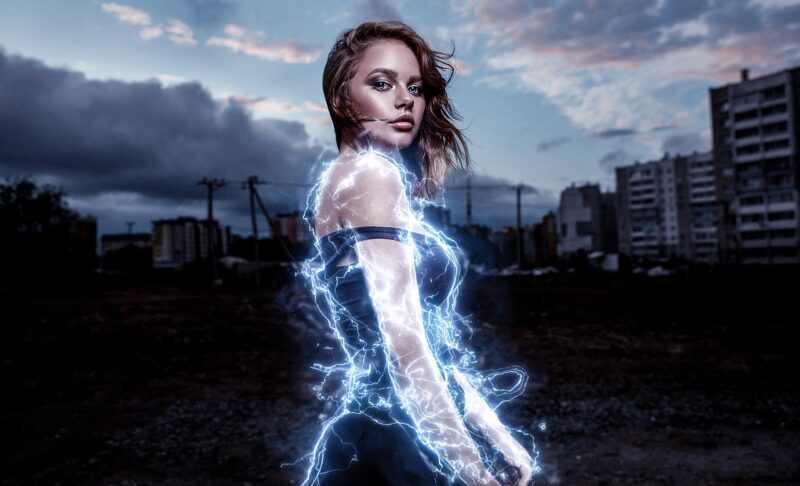
The world of comics has long been synonymous with superhero stories of incredible proportions. Superheroes harness extraordinary powers, battling evil and standing as paradigms of justice and bravery. However, within this heroic realm, female superheroes have often been relegated to the sidelines, their stories and struggles overshadowed by their male counterparts. The narrative of female superheroes in comics is not only fascinating but also profoundly significant in the context of cultural representation and gender equality.
1. The Early Days: From the Shadows of Male Heroes
The journey of female superheroes begins in the Golden Age of Comics (1938-1956), primarily dominated by male figures such as Superman and Batman. Yet, even in these early days, women defied conventional norms. The debut of Wonder Woman in 1941, created by psychologist William Moulton Marston, marked a pivotal moment. Wonder Woman was designed to represent strength, femininity, and empowerment. Despite facing skepticism—her existence perceived as radical—Wonder Woman’s popularity flourished.
Notably, her creation was influenced by feminist movements at that time, as she emerged as an answer to male superheroes that often enforced patriarchal ideals. As the first successful female superhero, she set a remarkable precedent, embodying qualities of compassion, justice, and truth.
However, alongside Wonder Woman, other female characters like Batwoman and Black Canary began to emerge, often characterized as sidekicks or love interests rather than independent heroes in their own right. This trend signified a struggle for representation that would echo through the decades.
2. The Silver Age: A Shift in Narrative
As the Silver Age of Comics (1956-1970) rolled in, the landscape began to shift. Superhero comics became more integrated with social dynamics, including the burgeoning civil rights movement. Marvel Comics introduced characters like Sue Storm, the Invisible Woman, and Jean Grey from the X-Men in this era. These characters often strived for agency; however, they remained entangled in romantic subplots and male-centric narratives.
Sue Storm, for instance, was initially portrayed as the ‘damsel in distress’, reinforcing traditional gender roles. Yet, as the years passed, her character was redefined to display her talents and capabilities in ways that elevated her status beyond a mere love interest.
Moreover, the creation of characters such as **Ms. Marvel** in 1977 indicated a progressive shift. Kamala Khan, the first Muslim superhero to headline her own comic book, provided representation for marginalized groups, illustrating the importance of diverse narratives in mainstream comics.
3. The Feminist Movement and the Bronze Age
The Bronze Age of Comics (1970-1985) coincided with the second-wave feminist movement, further influencing comic book narratives. Female superheroes began to break free from the constraints of traditional gender roles. Characters like **Catwoman**, and **Wonder Woman** underwent significant transformations, developing into more complex and independent figures. Catwoman was redefined as an anti-heroine, representing the complexity of female identity amid patriarchal oppression.
During this era, numerous stories tackled social issues, addressing topics such as sexual assault and body autonomy. The **”Women’s Liberation Movement”** inspired many comic book writers to explore relatable experiences through the lens of their female characters. Comics like *Ms. Marvel* tackled issues of empowerment, self-identity, and struggles against societal norms.
While the portrayal of female superheroes matured, it was evident that the industry needed to expand even further. Despite the progress, their stories still often hinged on ideas of male validation.
4. The Modern Age: Empowerment and Representation
Entering the Modern Age of Comics (1985-present), the portrayal of female superheroes has witnessed unprecedented growth. Strong female characters have emerged at the forefront alongside their male counterparts, headlining their own stories independent of them. Women such as **Wonder Woman**, **Captain Marvel**, **Black Widow**, and **Harley Quinn** have become multi-dimensional representations of empowerment, indicating a significant cultural shift.
**Wonder Woman**, particularly, has solidified her status in pop culture, evidenced by successful films and renewed interest in her comic series, reinforcing her significance as a symbol of women’s empowerment. **Captain Marvel**, played by Brie Larson in the Marvel Cinematic Universe, represents resilience, serving as an icon for younger generations. Characters like **Harley Quinn**, initially portrayed as a villainous sidekick, have evolved into heroes—demonstrating the complexity of female experiences and challenging traditional archetypes.
Furthermore, the emergence of graphic novels and independent comic publishing has allowed female creators to share their stories. Writers and illustrators like **Gail Simone**, **Marjorie Liu**, and **Noelle Stevenson** have paved the way for diverse voices, contributing narratives that focus on women’s experiences and intersectionality.
5. The Impact of Representation in Comics
The portrayal of female superheroes transcends entertainment; it signifies the broader social narrative regarding gender representation. Female superheroes serve as essential role models, inspiring individuals to challenge societal norms and stereotypes. They embody the potential for greatness irrespective of gender.
Debates around representation have sparked necessary discussions about inclusivity within the comic book industry, prompting calls for diverse portrayals and sophisticated narratives. The demand for female superheroes with their own stories cultivates a more balanced representation and caters to a broader audience, encouraging young girls and women to aspire towards heroism.
Moreover, the entertainment industry’s adaptation of these stories into movies and series has publicized these characters to wider audiences—openly discussing the significance of female contribution to ‘heroic’ narratives. With the success of superhero films like *Wonder Woman* and *Captain Marvel*, there is an increasing recognition of women’s empowerment in mainstream culture.
6. Conclusion: Celebrating Female Heroes of the Past and Present
The history of female superheroes in comics charts a remarkable journey marked by triumphs, struggles, and continuous evolution. From the sidelines to the center stage, female superheroes have transcended their roles, redefining what it means to be a hero in a male-dominated medium. Wonder Woman, Ms. Marvel, and other iconic characters symbolize the long-standing struggle for representation and assert women’s capability of heroism beyond societal limitations.
It is essential to celebrate these female characters—not merely for their powers or abilities but for the narrative arcs that assert their struggles and identities. As comic book culture continues to evolve, acknowledging and amplifying the voices of female superheroes empowers future generations to claim their narratives and redefine the meaning of heroism.
Recognizing the vast contributions of female heroes in comics ultimately fosters a more inclusive future for all, ensuring that the next chapter of superhero stories pays homage to their heroic journeys both on and off the page.