The Unseen World of Underground Transport Systems Around the Globe

Oliver Sutton
November 11, 2024
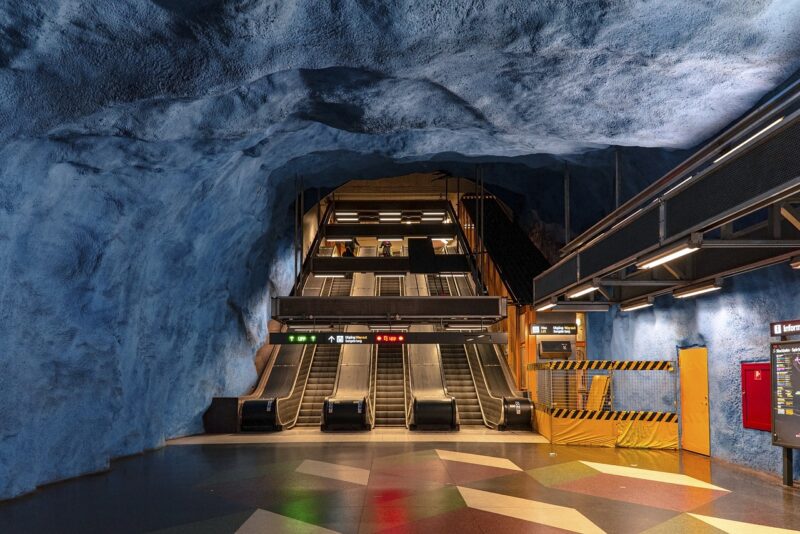
When we think about transportation, the first images that come to mind may be bustling roads filled with cars, packed buses, and crowded sidewalks. However, beneath our cities lies a hidden world of underground transport systems, silently powering the movement of millions. These subterranean pathways of trains, trolleys, and transit systems are not just essential; they are marvels of engineering and historical significance.
1. A Brief History of Underground Transport
The concept of underground transport systems is not new. The first underground railway system was the London Underground, which began operations in 1863. The success of this system paved the way for other cities to consider subterranean transportation options, particularly as urban populations surged and surface transport became increasingly congested.
Today, cities like New York, Paris, Tokyo, and Moscow boast extensive underground networks that are crucial to their public transport infrastructure. Each of these systems has its own unique history, design, and technological advancements that reflect the city’s culture, needs, and challenges.
2. Iconic Underground Transport Systems
Let’s delve deeper into some of the most iconic underground transport systems around the globe:
2.1. The London Underground
Often referred to as the “Tube,” the London Underground is not only an essential mode of transport for Londoners but also a key tourist attraction. Famous for its roundel logo and the distinctive “Mind the Gap” announcements, the Tube covers around 250 miles of track and serves 270 stations. The network’s deep-level tunnels were primarily constructed using the cut-and-cover method, and many stations boast unique architectural designs, ranging from ornate Victorian to stunning modernist styles.
2.2. New York City Subway
The New York City Subway is one of the largest and busiest urban transit systems in the world. Established in 1904, it operates 27 lines and serves over 5 million riders daily. The system is renowned for its extensive reach and late-night operation, making it an integral part of the city’s late-night culture. Notably, the subway features over 450 stations, many adorned with art installations and notable architecture that celebrate the city’s diversity.
2.3. Paris Métro
The Paris Métro is synonymous with the romantic image of Paris. With its Art Nouveau entrances and compact design, it is the world’s second-busiest metro system. The Métro integrates beautifully with the city’s streets, often disappearing under them in tight, winding tunnels. Some of its stations feature stunning artwork, while the system’s history reflects Paris’s evolution throughout the 20th century.
2.4. Moscow Metro
Arguably one of the most beautiful underground systems in the world, the Moscow Metro is renowned for its lavishly designed stations that showcase marble columns, chandeliers, and intricate mosaics. Opened in 1935, the system now has 12 lines and around 300 km of track, serving over 9 million riders daily. Each station is an art piece, narrating stories of the Soviet era while providing a glimpse into the grandeur associated with the Russian capital.
2.5. Tokyo Metro
Tokyo’s subway system is a sophisticated and technologically advanced network that exemplifies efficient urban transport. Comprising 13 lines and covering approximately 290 kilometers, the Tokyo Metro can handle around 8 million passengers daily. Known for its punctuality, cleanliness, and safety, it reflects Japan’s dedication to public service and innovation. The system integrates seamlessly with other forms of public transport, helping maintain the flow of Tokyo’s bustling urban life.
3. Engineering Marvels Beneath the Surface
Creating an underground transport system involves complex engineering feats. From tunnel digging to ensuring structural integrity, these systems require innovative solutions to a myriad of challenges, including geology, water management, and urban development.
3.1. Tunnel Boring Machines
Modern tunneling is achieved with tunnel boring machines (TBMs), sophisticated devices capable of boring through various geological conditions. TBMs automate much of the process, minimizing the impact on surface-level structures and reducing debris. The integration of these machines into urban tunnels allows for more efficient construction timelines and less disruption for city inhabitants.
3.2. Ventilation and Safety Systems
Safety is paramount within underground transport systems. Engineers incorporate advanced ventilation systems to ensure air quality and regulate temperature. Emergency exits, fire systems, and communication systems are also vital. Regular safety drills and maintenance protocols help ensure that underground travel remains safe for all passengers.
4. The Environmental Impact of Underground Transport Systems
As urban areas expand and surface traffic escalates, the role of underground transport systems in reducing carbon footprints becomes increasingly relevant. By providing an alternative to road vehicles, these systems contribute to lower emissions and lesser urban congestion.
4.1. Sustainable Urban Transport
Many cities are exploring expansions of underground transit systems to improve public transport accessibility while reducing reliance on fossil fuels. Modern systems are also integrating electric trains, solar energy options, and energy-efficient technologies, further enhancing their sustainability. Underground transit can help create greener cities, reduce noise pollution, and promote urban biodiversity by minimizing the urban footprint.
5. Challenges and Future of Underground Transport Systems
While underground transport systems play a critical role in urban mobility, they face notable challenges. Funding and political support are paramount, as well as the need for continuous technological upgrades to meet growing urban populations’ demands.
5.1. Funding and Maintenance
Building and maintaining underground transport systems require considerable investment. Many cities are adapting by utilizing public-private partnerships to distribute costs and leverage technological advancements. Striking a balance between expansion and upkeep is essential to ensure these systems remain efficient and safe for transit.
5.2. Technological Innovations
As new technologies emerge, underground transport systems must adapt or risk becoming outdated. Incorporating smart technologies, such as contactless payment systems, real-time tracking, and AI-powered management systems, will enhance passenger experience and operational efficiency. The future of underground transport is not just about expansion; it’s also about becoming more intelligent and responsive to user needs.
Conclusion
The unseen world of underground transport systems is vital for urban infrastructure, sustainability, and connectivity. These systems serve millions, reflect historical and cultural contexts, and embody engineering marvels. As cities continue to grow, investing in underground transport will remain essential in combating congestion and promoting environmental health. The future holds exciting possibilities through technological advancements and innovations that elevate these subterranean passages into the forefront of modern urban development.
To understand and appreciate the unseen world beneath our feet is to recognize the vital role that these systems play in shaping urban life and contributing to sustainable development. Underground transport systems are not mere conduits for commuting; they are essential lifelines that weave through the history, culture, and future of our cities.