The Story of the World’s Most Ambitious Tunnels and How They Were Created

Explorix Team
November 11, 2024
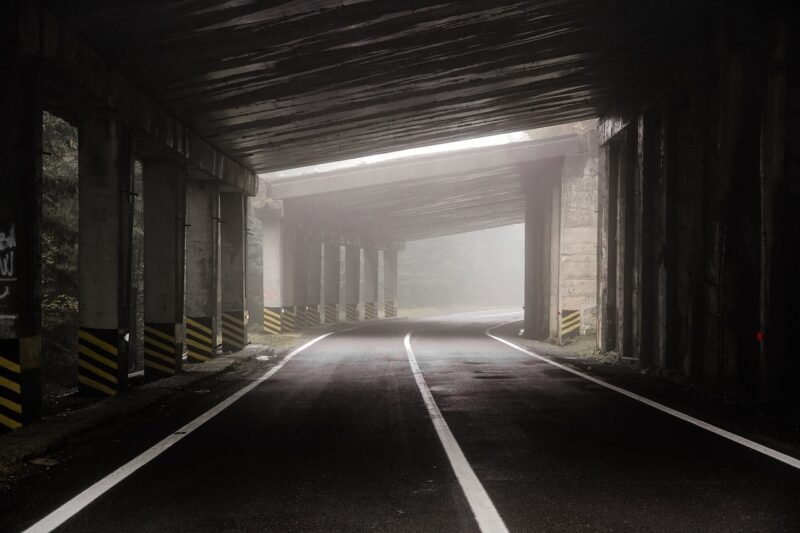
Tunnels have long captured the human imagination, not only for their practical applications but also for the ambitious spirit behind their creation. From ancient civilizations to modern engineering marvels, these underground pathways have transformed transportation, communication, and even our understanding of the natural world. Let’s delve deep into the story of some of the world’s most ambitious tunnels and explore the engineering feats that made them possible.
1. The Historic Necessity of Tunnels
Long before the advent of modern machinery, humans have sought ways to traverse natural barriers such as mountains, rivers, and canyons. Tunnels serve as a solution, providing a safe passage through or under these obstacles. Ancient civilizations like the Romans and the Chinese excavated tunnels for water, trade, and military movements, laying the groundwork for future engineering marvels.
Some examples of ancient tunnels include:
- The Tunnel of Eupalinos: Built in the 6th century BC on the Greek island of Samos, this tunnel served as an aqueduct, demonstrating early engineering capabilities. Its construction involved two teams working from opposite ends, meeting precisely in the middle after digging for nearly a mile.
- The Great Wall of China’s Passages: Various tunnels were constructed within the Great Wall complex to facilitate movement along the wall and allow for quick escapes during invasions.
These ancient efforts paved the way for modern tunnel construction, which has evolved tremendously through advancements in technology and engineering methodologies.
2. Modern Engineering Wonders
Today, tunnels are not only vital for transportation but also serve important roles in water management, electrical infrastructure, and even subway systems in urban areas. Some of the most ambitious tunnels in the world embody the pinnacle of human ingenuity and cooperation:
- The Gotthard Base Tunnel (Switzerland): Opened in 2016, this tunnel holds the title of the longest railway and deepest traffic tunnel in the world, measuring 57.1 kilometers (35.5 miles). It took 17 years to complete and involved a workforce of over 2,000 people. The tunnel allows trains to travel under the Swiss Alps, significantly reducing travel time between northern and southern Europe.
- The Channel Tunnel (UK to France): Completed in 1994, the Channel Tunnel is 50.45 kilometers (31.4 miles) long and runs beneath the English Channel, connecting Folkestone in the UK with Coquelles near Calais in France. This engineering feat faced numerous challenges, including geology and financial hurdles, yet it has become a major artery for transport between the two countries, accommodating both passenger and freight services.
- The Seikan Tunnel (Japan): At 53.85 kilometers (33.5 miles), the Seikan Tunnel is the second-longest tunnel in the world and the longest undersea tunnel. Completed in 1988, this engineering marvel connects the islands of Honshu and Hokkaido and was primarily constructed to withstand severe weather conditions typical in the region, including typhoons and heavy snow.
Each of these projects exemplifies not only remarkable engineering skill but also a profound commitment to safety and efficiency in transportation.
3. The Challenges of Tunnel Construction
Constructing a tunnel is fraught with challenges, from geological concerns to financial constraints. Every ambitious project includes several obstacles that require innovative solutions. Among these challenges are:
Geological Issues:
The geological makeup of the land is a crucial factor. Different soil types can affect tunneling methods and excavation speeds. Engineers must conduct extensive geological surveys to understand the conditions and challenges ahead, as unstable ground can lead to collapses or flooding.
Financing and Budgeting:
Large-scale projects can face enormous cost overruns. Early cost estimates may not account for unforeseen geological challenges, inflation, and evolving project scopes. Engaging stakeholders and securing investments are pivotal to the success of these ventures.
Safety Concerns:
Safety is paramount. Engineers must ensure that workers are protected from accidents like gas explosions, cave-ins, or flooding. Advanced construction technologies such as tunnel boring machines (TBMs) help minimize these risks by allowing remote operation in hazardous areas.
4. Technological Advancements in Tunneling
Technological advancements have significantly improved the methods used in tunnel construction, resulting in safer and more efficient excavation processes:
- Tunnel Boring Machines (TBMs): These powerful machines excavate material while simultaneously lining the tunnel walls, which reduces the potential for collapses significantly. Their size and capability can adapt to various tunneling conditions, making them invaluable.
- Geographic Information Systems (GIS): Modern tunneling projects utilize GIS technology to analyze terrain data, giving engineers real-time information about the subsurface conditions. This technology enhances decision-making throughout the excavation process.
- 3D Modeling and Simulation: Before tunneling begins, engineers use sophisticated models to simulate tunneling processes, allowing them to forecast challenges and develop strategies effectively. This foresight helps mitigate risks and improve safety measures.
5. The Future of Tunnel Construction
The future of tunnel construction lies in adapting to the changing demands of urban development and environmental considerations. With the population of urban areas soaring, the need for advanced transportation solutions is more pressing than ever. Emerging trends include:
- Sustainable Tunneling Practices: As environmental concerns rise, tunnel projects are increasingly incorporating sustainable practices, such as recycling materials from excavation and reducing energy usage.
- Smart Tunnels: Integrating technology into tunnels, such as sensors for monitoring structural integrity and traffic patterns, ensures safer travel and smarter infrastructure.
- Hyperloop and other innovative concepts: Radical transportation concepts, like the Hyperloop, promise to revolutionize travel; tunneling will play a critical role in realizing these futuristic ideas.
Conclusion
The story of the world’s most ambitious tunnels is a testament to human ingenuity and determination. While navigating through mountains and under the seas presents enormous challenges, the advancements in engineering and technology have transformed these endeavors into ventures of remarkable feasibility. As we look to the future, tunnels will continue to play a pivotal role in our global infrastructure, facilitating transport, communication, and more, creating pathways to an interconnected world. The ambitious spirit to dig deeper, reach farther, and build smarter will drive the next generation of tunnel construction as we venture into a new era of engineering excellence.