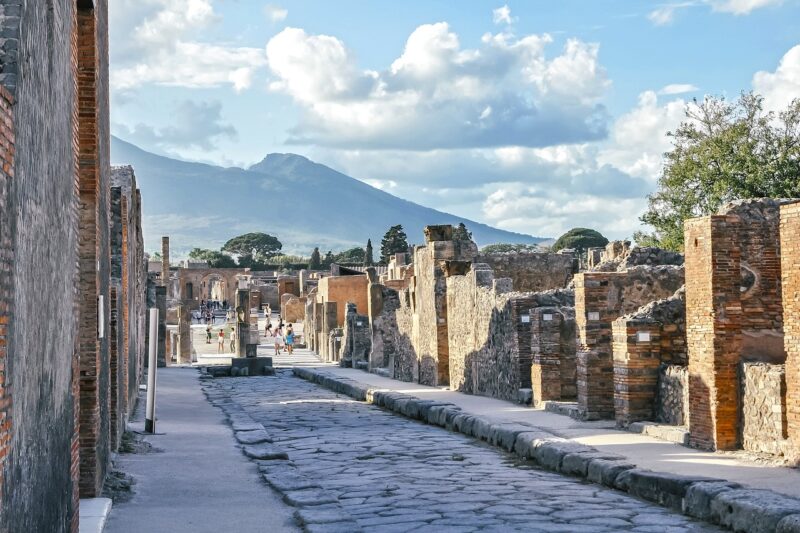
Pompeii, a bustling Roman city frozen in time, has captivated historians, archaeologists, and tourists alike since its rediscovery in the 18th century. The catastrophic eruption of Mount Vesuvius in 79 AD sealed this ancient city under a blanket of volcanic ash, preserving an extraordinary snapshot of life during the Roman Empire. This article delves into the life, culture, and eventual demise of Pompeii, shedding light on what made this city so vibrant and its downfall so dramatic.
1. The Rise of Pompeii: A Glimpse into Roman Life
Pompeii was established in the 7th or 6th century BC and quickly grew into a vital trade center due to its strategic location near the Bay of Naples. The city flourished under Roman rule, showcasing impressive architecture, rich culture, and a diverse population.
The landscape of Pompeii was characterized by:
- Public Buildings: The Forum served as the heart of public life, surrounded by temples, basilicas, and marketplaces where citizens gathered to discuss politics, faith, and commerce.
- Private Homes: The wealthy residents of Pompeii adorned their villas with intricate frescoes and mosaics, showcasing artistic talent and familial wealth.
- Entertainment Venues: The amphitheater was a key feature, hosting gladiatorial games and theatrical performances that provided entertainment to the populace.
Everyday life in Pompeii reflected the Roman ideals of community, commerce, and culture, with lively marketplaces and public baths serving as social hubs.
2. Daily Life in Pompeii: Culture and Society
Understanding the daily life of Pompeii’s inhabitants requires a closer look at their customs, social structure, and everyday activities. The people of Pompeii lived a life that revolved around their family, religion, and the complex social hierarchy of Roman society.
Key aspects of daily life included:
- Social Hierarchy: The society was stratified, with wealthy patricians at the top and freedmen and slaves forming the lower classes. Social mobility was possible, but it was rare.
- Religion: Idolatry was commonplace, with temples dedicated to gods and goddesses, such as Jupiter and Venus. Festivals and rituals were integral to daily life, fostering a connection with their divine protectors.
- Leisure Activities: Romans enjoyed various leisure activities, from public games and theatrical performances to social gatherings in communal spaces like the baths and the Forum.
The preservation of countless artifacts provides insight into the lifestyle, values, and daily routines of the ancient Pompeians, revealing a society that thrived on both commerce and culture.
3. The Eruption of Mount Vesuvius: A Day of Destruction
On August 24, 79 AD, the peaceful life of Pompeii was shattered when Mount Vesuvius erupted, sending a deadly ash cloud and pyroclastic flows toward the city. The sequence of events leading to the disaster unfolded with terrifying speed and ferocity:
- Initial Explosion: The first phases of the eruption were marked by explosions that blasted ash and pumice into the atmosphere, causing panic and chaos in the streets of Pompeii. Many residents attempted to flee, but the majority were caught off guard.
- Blanketing of Ash: Over the following days, thick layers of ash covered the city, preserving its buildings, streets, and even the unfortunate souls who remained behind. The weight of the ash caused roofs to collapse, burying homes and public spaces alike.
- Pyroclastic Flows: The final stages of the eruption unleashed searing hot gases and volcanic material that swept down the slopes, incinerating everything in their path. This rapid movement left few escape routes and sealed the city’s fate.
Within hours, Pompeii was destroyed, and its inhabitants were either killed or buried under the volcanic debris. The city remained undiscovered for nearly 1,700 years, leaving its fate hidden in the annals of history.
4. Rediscovery and Archaeological Significance
Pompeii remained lost until its rediscovery in 1748, when excavation began under the direction of Spanish engineer Rocque Joaquin de Alcubierre. Since then, the site has become one of the most important archaeological discoveries in the world, offering incredible insights into Roman life.
Key points regarding the archaeological significance of Pompeii include:
- Remarkable Preservation: The volcanic ash preserved structures, art, and organic materials in astonishing detail, allowing archaeologists to study various aspects of life in ancient Rome.
- Human Casts: One of the most haunting discoveries came in the form of plaster casts of the unfortunate souls who perished during the eruption. These casts, made by injecting plaster into voids left by decayed bodies, provide a poignant reminder of the tragedy that befell the residents of Pompeii.
- Cultural Insights: Artifacts, frescoes, and everyday items uncovered during excavations offer unique glimpses into the customs, art, and daily life of the Pompeians, making it a vital tool for understanding Roman culture as a whole.
Today, Pompeii stands as a UNESCO World Heritage Site, attracting millions of tourists and scholars eager to learn about the remarkable city and the lives once lived there.
5. Life Lessons from Pompeii: Reflection on Mortality and Resilience
The legacy of Pompeii extends beyond its ruins; it serves as a poignant reminder of the fragility of life and the resilience of human spirit. The juxtaposition of vibrant life and sudden destruction makes Pompeii a compelling study in history, providing key takeaways:
- The Power of Nature: The eruption of Vesuvius exemplifies nature’s unpredictability, reinforcing the importance of preparedness and respect for the environment.
- Cultural Preservation: The preservation of Pompeii provides invaluable insights into ancient civilizations, highlighting the importance of archaeology and historical research in understanding human history.
- Resilience in Tragedy: The stories of the individuals and families of Pompeii reflect the endurance of the human spirit, even in the face of catastrophic events, prompting reflection on our own lives and challenges within a broader historical context.
As we learn from the remnants of Pompeii, we are reminded that history is not just a series of events; it is a tapestry of lives intertwined, offering lessons that resonate through time.
Conclusion: The Enduring Legacy of Pompeii
Pompeii’s story is more than a tale of destruction; it is a narrative of life, culture, and human experiences that transcends time. The remaining ruins continue to inspire awe and curiosity, reminding us of the people who once inhabited this thriving city. As scholars uncover more artifacts and learn about the lives of those who lived in Pompeii, we gain a deeper appreciation for our own history and the shared human experience.
The excavation of Pompeii remains a continuous journey, bringing forth stories lost in time, ensuring that the memory of this ancient city will not fade away. Explore Pompeii, for in its ashes lies the richness of life and the poignant reality of mortality.