The Story Behind the Volkswagen Beetle: From Humble Beginnings to Global Icon

Explorix Team
November 13, 2024
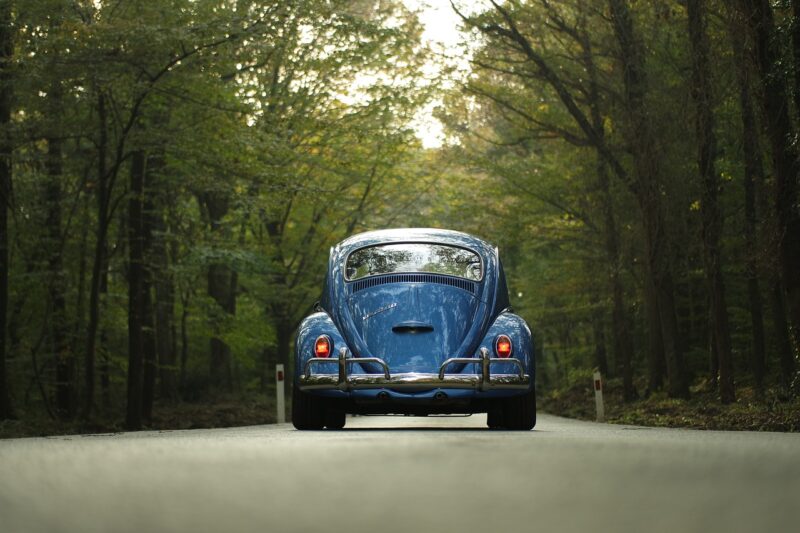
The Volkswagen Beetle is not just a car; it is a cultural icon that has spanned decades and left an indelible mark on automotive history. From its humble beginnings in the 1930s to its rise as one of the best-selling cars worldwide, the Beetle’s story is one of innovation, resilience, and enduring popularity.
1. The Origin of the Beetle: A Vision for the People
The Volkswagen Beetle’s inception traces back to the vision of Ferdinand Porsche in the 1930s, who was commissioned by Adolf Hitler to design a car that would be affordable for the masses—an automobile for the people, or “Volkswagen” in German. The objective was ambitious: to create a car that was economical, reliable, and capable of carrying a family comfortably.
The requirements for the Beetle included:
- A top speed of 62 mph
- Room for two adults and three children
- Affordability, with a price tag of around 990 Reichsmarks
In 1938, the first Volkswagen factory was established in Fallersleben, Germany, and the Beetle’s production began. However, World War II shifted the factory’s focus to military vehicles, and as a result, the industrial process was stalled for several years.
2. The Post-War Revival: A Chance for a Comeback
After World War II ended, the British army played a pivotal role in resurrecting the Volkswagen factory. In 1945, Major Ivan Hirst was instrumental in restarting production with just a few Beetles being assembled for the British occupying forces. The demand for the simple, robust design of the Beetle became apparent as soldiers and civilians alike took notice.
By 1949, the Volkswagen Beetle began to gain traction on the global market. The first model was exported to the United States, and its unique shape, reliability, and affordability resonated with American consumers. In the 1950s, the Beetle was marketed under the tagline “Think Small,” which celebrated its compact design and simplicity, contrary to the larger American car trends of the time.
3. The Beetle’s Iconic Status: A Cultural Phenomenon
Throughout the 1960s and 1970s, the Volkswagen Beetle became a symbol of counterculture and individuality. It found its way into the hearts of many during a time when revolution, freedom, and self-expression were at the forefront of societal change. The Beetle adorned the driveways of artists, hippies, and everyday people alike.
The Beetle moonlighted as a star in pop culture, famously starring in Disney’s “The Love Bug” film series. The character “Herbie,” a mischievous talking car, captured the imagination of audiences and further solidified the Beetle’s association with fun, youthfulness, and adventure.
Like fashion, the Beetle underwent various facelifts and modifications, with models ranging from sedans to convertibles. The car’s friendly, rounded outlines and quirky personality endeared it to millions, making it a symbol of freedom and style.
4. Production and Evolution: How the Beetle Adapted to the Times
The Volkswagen Beetle was known for its air-cooled rear engine, which provided durability and ease of maintenance. As consumer preferences shifted, Volkswagen introduced several iterations, including the Super Beetle and the Volkswagen Type 3, which met changing demands for performance and fuel efficiency.
From the early 1950s through 1979, Volkswagen produced over 15 million Beetles, making it the best-selling car in history until it was surpassed by the Toyota Corolla in the late 1990s. The Beetle’s production eventually ceased in 2003 in Germany, but due to ongoing demand, production continued in Mexico until 2009.
Despite discontinuation, the Beetle remained a symbol of automotive culture, resonating with generations who fondly remembered their first ride in it or the clouds of nostalgia that enveloped their experiences behind the wheel. It was honored by various automotive awards and revived with modernized designs while maintaining its classic charm.
5. The End of an Era: Farewell to the Original Beetle
In 2019, Volkswagen officially announced that they would cease production of the final models of the Beetle. This decision brought forth immense nostalgia, reverberating through enthusiasts and collectors around the globe. The Beetle represented more than just a mode of transport; it symbolized freedom, fun, and the spirit of the 60s and 70s.
To honor its legacy, Volkswagen launched the “Final Edition” models that encapsulated the charm of the original design while integrating modern technology and features. The farewell was bittersweet, as the Beetle transitioned from its production lines and headed toward classic car museums and private collections, preserving its story and influence.
6. The Legacy of the Volkswagen Beetle: A Timeless Icon
The Volkswagen Beetle’s journey from an innovative idea to a global icon is a testament to its design, affordability, and cultural significance. Known affectionately as the “bug,” it remains celebrated worldwide as the ultimate symbol of the love for the automobile.
Its unique styling and friendly personality continue to evoke fond memories, while its story inspires car enthusiasts and casual drivers alike. The Beetle has transitioned from the production lines into the history books, forever remembered as a pioneering car that brought joy and style to the masses.
The story of the Volkswagen Beetle is more than just about car production; it embodies the human spirit of adaptation, creativity, and love for adventure. As it gracefully bows out of production, the legacy of the Beetle will flourish for generations to come.
Conclusion
From its origins in the 1930s to its departure from production in the 21st century, the Volkswagen Beetle is a classic that highlights the evolution of the automotive industry intertwined with societal changes. It holds a cherished spot not only in the hearts of its owners but also in the annals of automotive history. As we bid farewell to the beloved Beetle, we celebrate a timeless icon that transformed the automotive landscape, symbolizing more than just a car but a movement of liberation and individuality.