The Secrets of the Pyramids: What We Still Don’t Know About Ancient Egypt

Ethan Reynolds
November 14, 2024
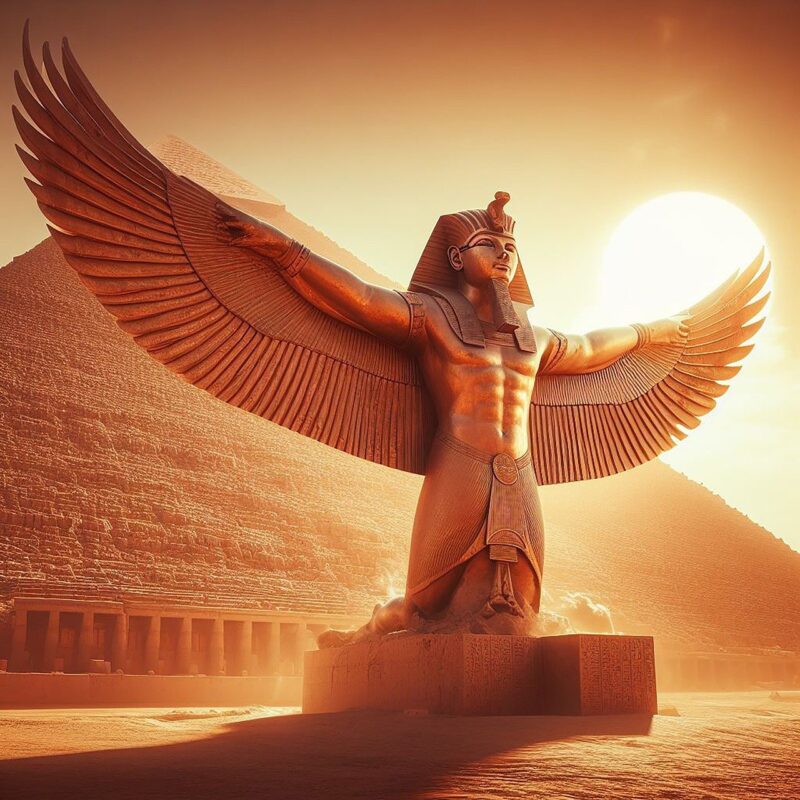
The ancient Egyptian pyramids have long captivated human imagination. Towering structures built over four and a half millennia ago, they stand as a testament to the ingenuity and ambition of a civilization that left a profound legacy. Yet, despite their grandeur and the extensive research conducted over the years, many mysteries still surround these monumental edifices.
1. The Purpose of the Pyramids
The most widely accepted theory is that the pyramids served as tombs for pharaohs and powerful nobles. The belief in an afterlife was central to Egyptian religion, and these colossal structures were designed to help the deceased achieve immortality.
Some lesser-known purposes include:
- Astronomical Observations: Some researchers suggest that the pyramids were also built based on astronomical alignments, reflecting the ancient Egyptians’ deep understanding of the stars and their movements.
- Religious Significance: The pyramids may have been constructed as temples where rituals were performed to honor the gods, further intertwining their religious beliefs with their architectural legacy.
- Economic Centers: It’s theorized that the construction and maintenance of pyramids could have served as a means of centralizing economy, labor, and resources during their time, aiding in the organization of society.
These hypotheses, while fascinating, only emphasize how little we know about the true motivations behind one of human history’s greatest engineering feats.
2. The Construction Techniques
The construction of the pyramids has been a subject of many debates. How did the ancient Egyptians transport and assemble massive stones weighing several tons without the advanced technology we have today? Though theories abound, conclusive evidence remains elusive. Popular theories include:
- Ramp Systems: Many archaeologists believe that a system of ramps was employed to transport heavy stones from quarries to the pyramid site. However, the specifics of these ramp systems—whether straight, circular, or zig-zag—are still hotly debated.
- Water Transport: A theory gaining traction suggests that the stones were transported via waterways. By flooding riverbanks, workers could float stones on boats, reducing the effort required for transport.
- Workforce Organization: The labor force is another subject of speculation. While previous assumptions leaned towards slaves, recent evidence suggests that skilled laborers and artisans were likely hired to construct the pyramids, showing the organization of a complex workforce.
Insights into how these wonders were constructed could illuminate not just the achievements of the Egyptians but also the technological advancements of the ancient world.
3. The Alignment and Orientation
One of the most remarkable features of the pyramids is their alignment with the cardinal points of the compass. The Great Pyramid of Giza, for example, is aligned with an accuracy that is astounding, leading researchers to question how the ancient Egyptians achieved such precision with their primitive tools.
Questions that emerge include:
- Tools and Methods Used: What tools or techniques were employed to ensure that the pyramids faced true north with such accuracy? Did they use celestial navigation, and if so, how did they measure the stars?
- Symbolic Importance: Did the alignment have astrological or symbolic significance? For instance, aligning tombs to the stars could signify a pathway to the afterlife, further emphasizing the Egyptians’ intricate connection with their gods and the cosmos.
Understanding how and why the pyramids were aligned could offer insights not only into their construction but also into the cultural and religious paradigms that defined ancient Egypt.
4. The Internal Structure and Hidden Chambers
Inside the pyramids lies another mystery: the internal layout and chambers. The complex system of passages and hidden chambers is still partially uncharted. For instance, in 2017, an unprecedented discovery was made when scientists found a hidden void in the Great Pyramid using advanced scanning techniques. But what lies within, and what was its purpose?
Some points of intrigue:
- Additional Undiscovered Chambers: Are there undiscovered chambers or voids still hidden within the pyramids? This idea excites archaeologists and historians alike, leading to ongoing searches for new evidence.
- Function of Existing Chambers: What were the specific functions of various chambers within the pyramids? Some may have been used for storage of goods intended for the afterlife, while others could have been for rituals or offerings.
Delving into the internal structure could unveil profound insights into burial practices and the Egyptians’ beliefs about the afterlife.
5. The Role of Hieroglyphics and Artifacts
The decorations and inscriptions on the pyramids and their surrounding temples provide wonderful insight into the beliefs, daily life, and practices of ancient Egyptians. However, many symbols and images remain enigmatic, challenging scholars to decode their meaning fully.
The mysteries include:
- Language and Translations: While much of ancient Egyptian writing has been deciphered, there are still numerous hieroglyphs and symbols that researchers cannot translate. What do they signify, and why are they represented in specific areas?
- Artifacts and Burial Goods: Many artifacts have been found in burial sites, yet the significance behind them is often debated. What do these items reveal about the relationship between the living and the dead in ancient Egyptian culture?
Exploring these symbols can enrich our understanding of a civilization that thrived thousands of years ago and left behind a sophisticated cultural legacy.
Conclusion
The mysteries surrounding the pyramids of ancient Egypt are more than just academic curiosities; they represent a window into human ambition, cultural practices, and the quest for immortality. As research advances and technology improves, we hold hope that the truths hidden within these monumental structures will one day be revealed. Until then, the enchantment and intrigue of the pyramids will continue to inspire explorations into a civilization that has much yet to teach us about legacy, civilization, and the mysteries of life and death.
Every stone and piece of history serves as a reminder of how far we’ve come and how many questions still remain unanswered. Ancient Egypt’s pyramids remain not just as structures of stone but as everlasting symbols of human aspiration and curiosity.