The Secret World of Fighter Jets: What Sets Them Apart from Commercial Planes

Ryan Pierce
November 14, 2024
Fighter jets represent the pinnacle of aeronautical engineering and military technology, distinguishing themselves drastically from commercial airplanes. While both types of aircraft are designed for flight, there are key differences in their design, capabilities, operational roles, and technology. This article delves into the intriguing world of fighter jets, exploring what sets them apart from their commercial counterparts.
1. Purpose and Design: Different Missions Require Different Aircraft
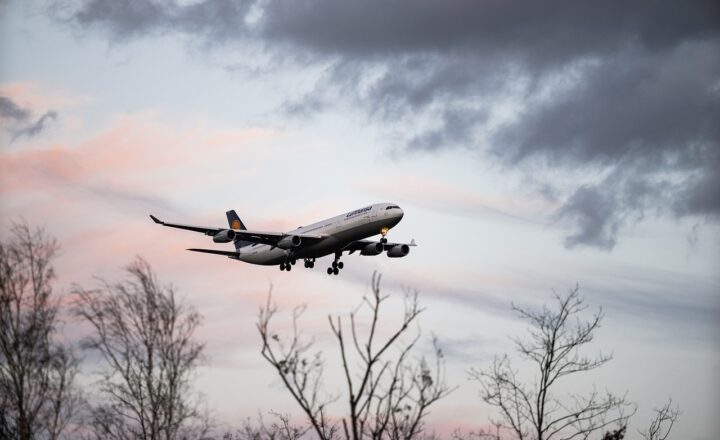
Fighter jets are primarily designed for combat operations, focusing on achieving air superiority and engaging enemy aircraft. In contrast, commercial planes are built for transportation, prioritizing passenger comfort, cargo capacity, and fuel efficiency.
Design Elements:
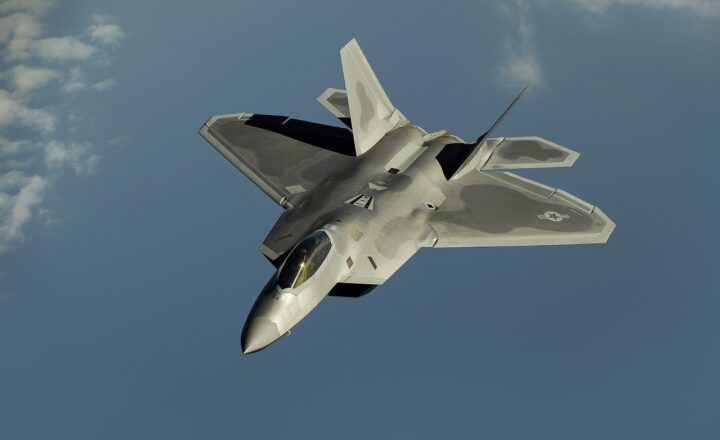
– Speed and Maneuverability: Fighter jets are designed for high speeds and extreme agility. Aircraft like the F-22 Raptor can exceed speeds of Mach 2, while many commercial planes cruise at around Mach 0.85.
– Shape and Structure: The aerodynamic shape of a fighter jet is optimized for both speed and stealth—featuring sharper angles, canards, and often a delta wing design to enhance agility in combat. In contrast, commercial airliners have a bulbous nose and wide wings for stable cruising.
Materials Used:
– Fighter jets often utilize advanced materials such as composite materials and stealth coatings that reduce radar visibility. Commercial airplanes, while also incorporating advanced materials, focus more on durability and cost-effectiveness.
2. Propulsion Systems: Powering the Beast
The engines used in fighter jets are vastly different from those in commercial aircraft. Fighter jets are equipped with afterburning turbojet or turbofan engines, allowing for intense acceleration and boost at supersonic speeds. The afterburner burns additional fuel after the normal combustion process, enabling fighter jets to achieve their incredible speed capabilities.
In contrast, commercial planes utilize high-bypass turbofan engines, which are optimized for efficiency and quieter operation at cruise altitude, sacrificing some speed and agility for fuel efficiency and passenger comfort.
3. Avionics and Technology: Advanced Systems for Advanced Missions
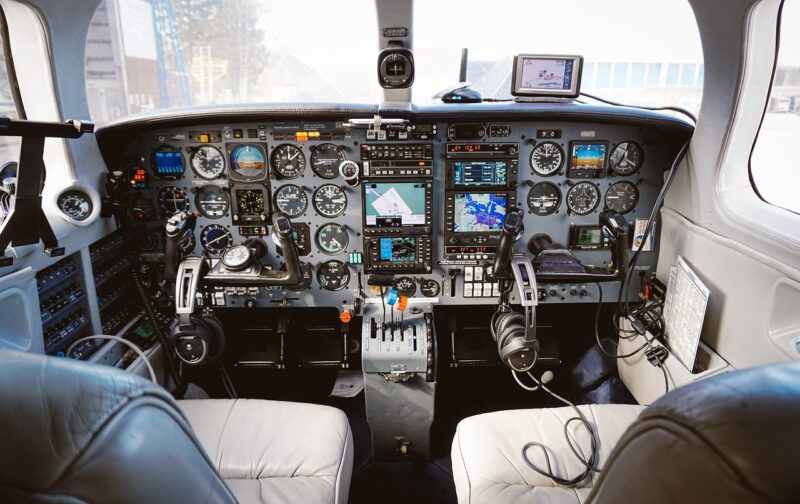
Fighter jets are equipped with cutting-edge avionics that allow for real-time data processing and advanced communication systems. These can include:
– Radar Systems: Advanced radar systems allow fighter jets to detect, track, and engage targets at great distances. Anti-jamming technology is also integrated to maintain operational effectiveness in contested environments.
– Weapon Systems Integration: Fighter jets support a variety of weapon systems, including air-to-air missiles, bombs, and cannon systems, and their avionics are capable of managing these ordnance types simultaneously, which is not a consideration in commercial aviation.
Commercial planes prioritize systems focused on navigation, communication, and safety, such as autopilot systems, onboard weather radar, and TCAS (Traffic Collision Avoidance System), designed for safety and efficiency, not combat.
4. Operational Roles: Beyond Just Flying
Fighter jets serve multiple roles in military operations, including:
– Air Superiority: Engaging enemy fighters to secure dominance in the skies.
– Ground Attack: Providing close air support to troops on the ground, targeting enemy positions and infrastructure.
– Reconnaissance: Conducting surveillance missions to gather intelligence on enemy movements.
In contrast, commercial planes solely focus on the transport of passengers and cargo, emphasizing timely and safe delivery from point A to point B. Their operational roles are strictly civilian without the multifaceted responsibilities assigned to fighters.
5. Costs and Accessibility: The Price of Power
The costs associated with fighter jets are astronomical compared to commercial aircraft. The price of a single modern fighter jet can range from $30 million to over $100 million, resulting from advanced technology, research and development, production, and maintenance.
Commercial airliners, while also expensive, have lower prices relative to their capabilities. An average commercial jet can range from $10 million to $50 million, and the investment is spread over mass production to keep fares manageable for travelers.
Additionally, fighter jets are operated by military personnel with specialized training, whereas commercial airplanes are flown by commercial pilots through civilian aviation regulations and standards, making the piloting of fighter jets an exclusive domain.
6. Conclusion: The Distinct Worlds of Fighter Jets and Commercial Planes
Fighter jets and commercial planes serve vastly different purposes, shaped by their design, capabilities, and technology. While both are incredible machines in their own right, the attributes of fighter jets—superior speed, maneuverability, advanced weapon systems, and combat-focused designs—set them apart significantly from the commercial airliners we are accustomed to. Understanding these differences not only enhances our appreciation for aviation engineering but also reveals the complexities of military operations in the sky.
Fighter jets may remain shrouded in secrecy, but they symbolize the cutting-edge of aerospace dynamics, where technology meets tactical prowess in the defense of nations worldwide.
If you’re fascinated by the intricate and secretive world of fighter aviation, stay curious and keep exploring the transformative journeys these flying machines undertake in securing air space.