The Science of Dew Points: How Temperature and Air Humidity Create Morning Dew

Oliver Sutton
November 12, 2024

Morning dew is a natural phenomenon that many have experienced but few understand. This invisible process involves the interplay of temperature, air humidity, and dew points. In this article, we will delve into the science behind dew formation, its significance, and its implications for our daily lives.
1. What is Dew and How Does it Form?
Dew is formed when moisture from the air condenses into tiny droplets. This occurs under specific conditions, primarily when the temperature drops overnight, which causes the air’s capacity to hold moisture to decrease.
The Role of Temperature and Humidity
To understand dew formation, we need to explore two key concepts: temperature and humidity. When warm air containing moisture cools down, the water vapor condenses into liquid droplets. This transformation is crucial for the formation of dew.
– Temperature Drop: As the sun sets, the land and air cool down, often dropping to temperatures lower than the surrounding atmosphere.
– Air Humidity: Humidity refers to the amount of water vapor present in the air. Higher humidity levels increase the likelihood of dew formation, as it indicates a larger amount of moisture available for condensation.
When the temperature of the air reaches the dew point – the temperature at which air becomes saturated with moisture – dew begins to form.
2. Understanding Dew Points
The dew point is a crucial measure in meteorology that provides insight into how much moisture is present in the air. Unlike humidity, which can be expressed as a percentage, the dew point is measured in degrees and gives a clearer picture of atmospheric moisture.
What is Dew Point?
The dew point is the temperature at which the air becomes saturated with moisture, meaning it can’t hold any more water vapor, and thus, condensation begins. The higher the dew point, the more humid the air. Here’s how it works:
– Low Dew Points (Below 50°F): Indicates dry air, making dew formation unlikely.
– Moderate Dew Points (50°F – 65°F): Comfortable humidity levels, possible for dew to form under cool conditions.
– High Dew Points (Above 65°F): Suggests moist air, often leading to heavy dew or fog if temperatures drop sufficiently.
Understanding the dew point helps us predict when and where dew is likely to form, which can be valuable for agriculture, gardening, and weather forecasting.
3. The Ideal Conditions for Dew Formation
Certain conditions must align for dew to form effectively:
– Cool Nights: Clear skies at night allow the heat from the Earth’s surface to escape, cooling down the ground.
– Calm Winds: Wind can disperse moisture; calm conditions provide a higher chance for condensation.
– High Humidity: Nighttime humidity levels need to be high for dew to form when temperatures drop.
When these conditions are met, dew can form, resulting in beautifully glistening droplets on grass, leaves, and vehicles during the early morning hours.
4. The Ecological Importance of Morning Dew
Dew plays a crucial role in various ecosystems, providing moisture that is essential for plant and animal life, particularly in arid regions:
– Water Supply for Plants: Many plants rely on dew as a source of water, particularly in dry climates where rainfall is limited.
– Beneficial for Ecosystems: Dew can maintain humidity levels in the environment, supporting small organisms and aiding biodiversity.
Dew can also help agriculture by providing moisture to crops without additional irrigation. Farmers often monitor dew conditions to plan their watering schedules effectively.
5. Dew vs. Other Forms of Moisture
While dew is a common form of moisture, it’s essential to distinguish it from other phenomena, such as frost and fog:
– Frost: Forms when the temperature drops below freezing, leading to ice crystals instead of liquid droplets.
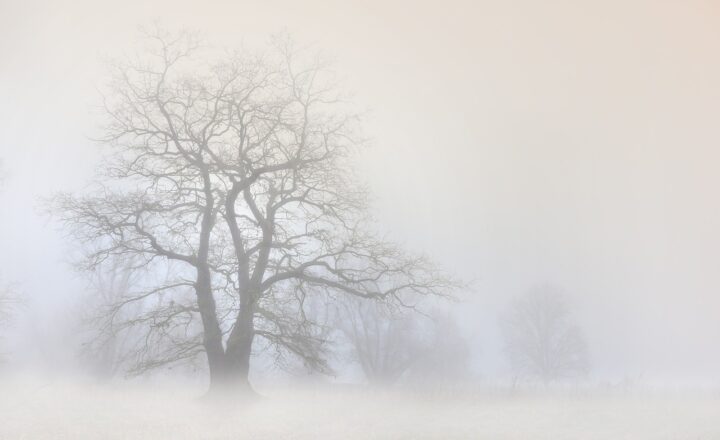
– Fog: Occurs when the water vapor condenses into tiny droplets that remain suspended in the air, reducing visibility.
– Rain: Involves larger droplets of water falling from clouds, typically due to atmospheric processes distinct from dew.
Understanding these differences helps clarify how moisture behaves in different temperatures and conditions.
6. Conclusion: The Beauty of Nature’s Cycle
The formation of dew is a beautiful yet often overlooked aspect of nature. By understanding the science behind temperature, humidity, and dew points, we gain a greater appreciation for the complex processes that govern even the simplest phenomena. Morning dew not only enhances the aesthetic of our surroundings; it also plays a vital role in supporting life in various ecosystems. The next time you see dew glistening in the morning light, take a moment to appreciate the intricate interplay of nature that made it possible.