The Role of Renewable Energy in Powering Modern Public Transport Systems

Evan Morgan
November 11, 2024
As cities around the globe grow and the demand for efficient transportation systems increases, the need for sustainable energy sources has never been more critical. Renewable energy technologies are paving the way for cleaner, more efficient public transport systems, reducing reliance on fossil fuels, lowering greenhouse gas emissions, and ensuring a better future for our planet. This article provides a comprehensive overview of how renewable energy is impacting modern public transport systems and the innovations that are driving change.
1. Understanding Renewable Energy and Its Importance
Renewable energy is derived from natural processes that are replenished constantly, such as solar, wind, geothermal, hydro, and biomass. The importance of adopting renewable energy sources lies in their potential to:
- Reduce greenhouse gas emissions and combat climate change.
- Decrease dependence on non-renewable, finite resources such as coal and petroleum.
- Promote energy security by diversifying energy sources.
- Create new job opportunities in the clean energy sector.
With these benefits in mind, the integration of renewable energy into public transport systems is an essential step toward achieving sustainable urban mobility.
2. Current Trends in Renewable Energy for Public Transport
The use of renewable energy in public transportation systems is still evolving, with several trends currently shaping the landscape:
2.1 Electric Buses
Electric buses are gaining popularity as cities work to reduce emissions and improve air quality. Utilizing batteries powered by renewable sources, such as solar or wind, electric buses can operate with little to no tailpipe emissions. Cities like Shenzhen, China, have already transitioned to an all-electric bus fleet, setting a precedent for others to follow.
2.2 Solar-Powered Charging Stations
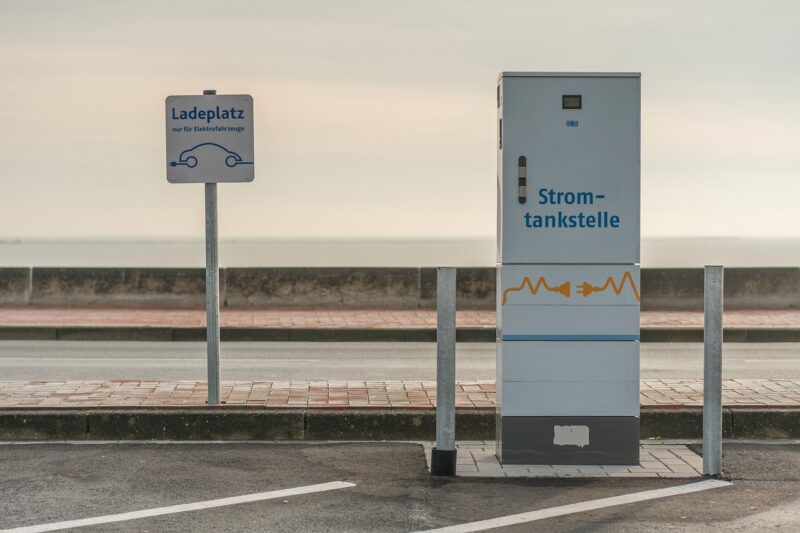
Solar charging stations are being installed in many cities worldwide, providing a sustainable power source for electric vehicles. For instance, some cities have developed solar canopies to charge electric buses and charging points for electric cars, contributing to environmentally friendly public transport options.
2.3 Hydrogen Fuel Cell Technology
Hydrogen fuel cells use renewable energy to produce hydrogen, which can then be converted back into electricity to power buses and trains. Countries like Germany and Japan are leading the charge in deploying hydrogen fuel cell public transport systems, demonstrating an efficient way to utilize renewable resources.
2.4 Tram and Light Rail Systems
As urban populations grow, light rail and tram systems are becoming more prominent. These systems can be integrated with renewable energy sources, such as solar or wind farms, to power their operations. Cities like Melbourne and San Francisco have begun exploring renewably-powered tram systems.
3. Benefits of Renewable Energy in Public Transport
The integration of renewable energy within public transport systems offers numerous advantages:
3.1 Environmental Impact
By switching to renewable energy, public transport can significantly reduce its carbon footprint. Electric buses, for example, can help cut emissions in urban areas, contributing to cleaner air and improved public health.
3.2 Cost Reduction
Although the initial investment in renewable energy infrastructure may be high, long-term savings can be substantial. Electric vehicles typically have lower operating costs compared to conventional diesel buses, resulting in a lower total cost of ownership.
3.3 Energy Independence
Using locally-generated renewable energy can enhance energy security and independence. As cities transition to renewables, they reduce their reliance on imported fossil fuels, protecting themselves from price volatility and geopolitical tensions.
3.4 Improvements in Public Perception
Investing in green technology can enhance a city’s image and attract eco-conscious residents and tourists alike. A commitment to sustainability can help municipalities become leaders in urban innovation and environmental stewardship.
4. Challenges in Implementing Renewable Energy in Public Transport
While the benefits of integrating renewable energy into public transport systems are evident, several challenges remain:
4.1 High Initial Costs
The upfront costs of electric buses, solar installation, and charging infrastructure can be substantial. Municipalities may require subsidies or partnerships to help mitigate these costs.
4.2 Infrastructure Development
Significant investment in new infrastructure, such as charging stations and maintenance facilities, is necessary to prepare for the adoption of renewable energy in transportation systems.
4.3 Technology Integration
Transitioning to renewable energy requires innovative solutions that fit seamlessly into existing transport networks. This may involve adopting new technologies and retraining staff, adding complexity to the integration process.
4.4 Public Acceptance and Awareness
Public acceptance is critical for the successful implementation of renewable energy in transportation systems. Campaigns must effectively communicate the benefits to increase community support.
5. Case Studies of Successful Integration
Numerous cities have successfully integrated renewable energy into their public transport systems. Here are some notable examples:
5.1 Freiburg, Germany
Freiburg is known for its commitment to sustainability, opting for a renowned electric tram network powered by solar energy. The city has also invested in infrastructure to support electric buses, serving as a model for other communities.
5.2 Los Angeles, USA
Los Angeles has initiated an extensive plan to electrify its bus fleet, aiming for a 100% electric fleet by 2030. They are also investing in solar energy for charging infrastructure, significantly reducing greenhouse gas emissions.
5.3 Beijing, China
Beijing has made considerable progress in expanding its electric bus fleets, supported by government incentives and investments in renewable energy installation. This initiative is helping to improve urban air quality significantly.
6. Future Outlook and Conclusion
The potential for renewable energy in public transport systems continues to evolve. With advancements in technology and increasing awareness about environmental issues, there is immense potential for sustainable urban mobility. Cities worldwide are recognizing the role of renewables in reducing emissions and improving public health.
As municipal investments shift toward renewable resources, public transport systems can become greener, more efficient, and more appealing, ultimately contributing to a more sustainable and livable urban environment.
In summary, the transition to renewable energy in public transport systems is essential in addressing climate change and promoting sustainability. While challenges remain, the benefits of cleaner air, reduced costs, and improved public perception create a compelling case for reimagining our transportation systems. By investing in renewable energy, cities can not only enhance their public transport networks but also create a greener future for generations to come.