The Role of Renewable Energy in Combatting Climate Change: What You Need to Know

Emma Wallace
November 11, 2024
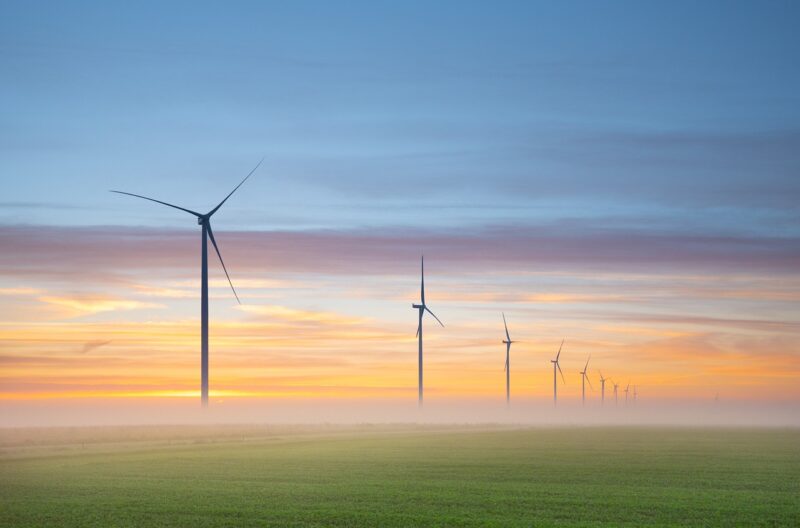
As the world grapples with the increasing impacts of climate change, the transition to renewable energy sources is more critical than ever. Renewable energy—derived from natural sources that are replenished constantly—offers a pathway to reduce greenhouse gas emissions and mitigate the adverse effects of climate change. This comprehensive article will explore the various types of renewable energy, their roles in reducing carbon footprints, the technologies driving the transition, and the challenges that lie ahead.
1. Understanding Renewable Energy
Renewable energy comes from natural processes that are replenished at a higher rate than they are consumed. Unlike fossil fuels, which take millions of years to form and release significant amounts of carbon dioxide when burned, renewables provide a sustainable alternative that can help to stabilize our planet’s climate. The main types of renewable energy include:
- Solar Energy: Generated through solar panels that convert sunlight into electricity or heat. Photovoltaic cells capture sunlight and convert it directly into electricity, whereas solar thermal systems harness sunlight to produce heat, which can be used for heating water or generating electricity.
- Wind Energy: Produced by wind turbines that convert wind energy into electricity. Wind farms can be installed both onshore and offshore, depending on geographical and ecological considerations.
- Hydropower: Generated by capturing the energy of flowing water, usually from rivers or dams. Hydropower is one of the most mature renewable energy sources and can provide a consistent electricity supply.
- Biomass Energy: Derived from organic materials such as plant and animal waste. Biomass can be converted into biofuels or used directly for heating and electricity generation.
- Geothermal Energy: Harnessed from the heat stored beneath the Earth’s surface. This energy can be used for heating buildings and generating electricity in geothermal power plants.
Each of these sources plays a vital role in the transition away from carbon-intensive energy systems, reducing our reliance on fossil fuels and supporting sustainable development.
2. The Impact of Renewable Energy on Climate Change
The primary way in which renewable energy contributes to combatting climate change is by significantly reducing greenhouse gas emissions. Here’s how each renewable source positively impacts the environment:
- Solar Energy: By harnessing sunlight, solar panels produce electricity without emitting carbon dioxide. As technology advances, solar panels are becoming more efficient and affordable, making them a prominent player in reducing emissions.
- Wind Energy: Wind turbines generate electricity with virtually no emissions. Transitioning to wind energy helps minimize the carbon footprint associated with traditional energy sources.
- Hydropower: While large dam projects can disrupt local ecosystems, properly managed hydropower can produce significant quantities of clean electricity. Small-scale and run-of-the-river projects are especially beneficial as they have lower environmental impacts.
- Biomass Energy: Biomass can replace fossil fuels in certain applications, such as transportation and heating, thereby reducing overall emissions. However, sustainable sourcing is essential to avoid deforestation and land-use changes.
- Geothermal Energy: Utilizing Earth’s natural heat is highly efficient and produces utility-scale electricity with lower emissions compared to fossil fuels.
The cumulative impact of switching to renewable energy could dramatically lower global greenhouse gas emissions, with goals set by international accords such as the Paris Agreement aiming to limit global warming to well below 2 degrees Celsius.
3. Technological Innovations Driving Renewable Energy
The renewable energy landscape has evolved rapidly, fueled by technological advancements. Key innovations include:
- Energy Storage Solutions: Battery technologies, especially lithium-ion batteries, are crucial for storing energy generated by intermittent sources like wind and solar. Innovations in battery efficiency and decreased costs enable greater adoption of renewable technologies.
- Smart Grids: Modernizing our energy grid systems allows for better integration of renewables, improving reliability and efficiency. Smart grids help manage supply and demand in real-time, accommodating the variable nature of renewable energy sources.
- Offshore Wind Technologies: With advancements in turbine design and floating platforms, offshore wind technology has expanded, enabling the capture of powerful wind resources off coastlines worldwide.
- Solar Panel Efficiency Improvements: Continuous research is leading to higher efficiency rates in photovoltaic cells, making solar energy a more viable option for electricity generation.
- Biofuel Development: Innovations in biotechnology have led to more efficient methods of converting biomass to biofuels, expanding options for sustainable transport fuels.
These technological breakthroughs are critical for transitioning to a renewable energy future and reducing reliance on fossil fuels across various sectors.
4. Challenges in Transitioning to Renewable Energy
Despite its benefits, the transition to renewable energy faces several challenges:
- Intermittency: Solar and wind energy are not always available, which necessitates robust energy storage solutions and backup options to ensure reliability.
- Infrastructure Constraints: Aging electrical grids in many regions are not equipped to handle distributed energy sources like solar and wind, which can impede progress.
- Economic Factors: While the price of renewables has decreased significantly, the high initial investment for infrastructure remains a major hurdle for many communities and countries.
- Policy and Regulation: Inadequate policies and regulatory frameworks can limit investment and slow down deployment. Governments play a crucial role in providing incentives and creating an environment conducive to renewable energy adoption.
- Public Acceptance: Some communities may resist renewable energy projects due to concerns about land use, aesthetics, or environmental impacts. Overcoming this requires public education and engagement.
Addressing these challenges is critical for scaling up the adoption of renewable energy solutions that can lead to substantial greenhouse gas reductions.
5. The Future of Renewable Energy in Climate Change Mitigation
The future of renewable energy is promising, with ambitious goals set by various nations to achieve net-zero emissions in the coming decades. Transitioning to a low-carbon economy is not just an environmental imperative; it can also drive economic growth, create new jobs, and enhance energy security.
Furthermore, public awareness and advocacy for climate change solutions are on the rise, leading to increased support for renewable initiatives. Investments in research and development will continue to foster innovation, making renewable energy more accessible and affordable.
In summary, renewable energy plays a crucial role in combatting climate change by reducing greenhouse gas emissions, offering scalable solutions to meet energy demands, and paving the way for sustainable development. The transition is not without its challenges, but through strategic investments, technological advancements, and supportive policies, we can harness the power of renewable energy to create a cleaner, more sustainable future for generations to come.
Conclusion
The world is at a crossroads regarding energy production and consumption. The shift towards renewable energy is essential not only for addressing climate change but for ensuring a sustainable future. While the path ahead may be challenging, the benefits far outweigh the hurdles. By embracing renewable energy, we take a vital step towards a greener planet, benefiting the environment, the economy, and society at large. It’s time to act collectively to harness renewable resources and combat climate change for a sustainable tomorrow.