The Role of Clouds in Regulating Earth’s Temperature and Weather Patterns

Ryan Pierce
November 12, 2024
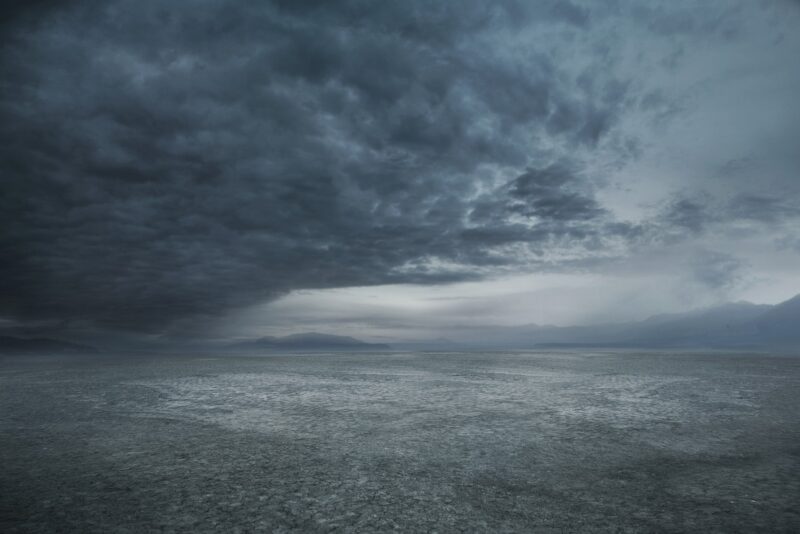
Clouds are not just beautiful formations in the sky; they play a critical role in regulating the Earth’s temperature and influencing local and global weather patterns. Understanding the science behind clouds can provide us with deeper insights into the complexities of our climate system and the delicate balance that sustains life on our planet.
1. What Are Clouds?
Clouds are formed when water vapor in the atmosphere cools and condenses into tiny droplets or ice crystals. These droplets cluster together to create visible masses of water or ice suspended in the air. There are several types of clouds, classified based on their appearance, altitude, and the atmospheric processes that form them. The primary types include:
- Cumulus Clouds: Fluffy, white clouds that usually indicate fair weather.
- Stratus Clouds: Layered clouds that cover the sky like a blanket, often bringing light rain or drizzle.
- Cirrus Clouds: Thin, wispy clouds found at high altitudes, often indicating changes in the weather.
- Nimbus Clouds: Rain-bearing clouds that can bring heavy precipitation, often found at lower altitudes.
Understanding these types allows us to predict weather conditions and discern the impact of clouds on climate.
2. How Clouds Influence Earth’s Temperature
Clouds have a dual role in regulating Earth’s temperature, acting as both insulators and reflectors:
- Greenhouse Effect: Clouds can trap heat in the Earth’s atmosphere. When clouds form, they create a barrier that prevents heat from escaping back into space, thereby warming the surface of the Earth. This is particularly true for thick clouds that contain a high concentration of water droplets and ice crystals. In essence, clouds act like a blanket, helping to maintain a stable temperature range that supports life.
- Reflecting Solar Radiation: Conversely, clouds also reflect sunlight back into space, which can help to cool the Earth. This phenomenon is especially significant for bright, white clouds that consist of large water droplets or ice crystals. By reflecting a portion of the sun’s energy, these clouds reduce the amount of heat that reaches the Earth’s surface, impacting overall temperature.
The balance between these opposing effects is vital in understanding climate regulation and can lead to variations in local and global temperatures throughout the seasons and various weather patterns.
3. The Types of Clouds and Their Impact on Weather Patterns
Different types of clouds indicate different weather conditions. For instance:
- Cumulonimbus Clouds: These towering clouds are associated with thunderstorms. They can produce heavy rain, snow, lightning, and tornadoes, making them significant players in severe weather events.
- Stratus Clouds: Typically bring light rain or mist, influencing lower temperatures and providing a cooler climate for the regions they cover.
- Cirrus Clouds: Often indicate a change in the weather, signaling that a warm front may be arriving. As they are formed high in the atmosphere, they suggest temperature variations that can affect the weather behavior in surrounding areas.
By observing cloud formation and movement, meteorologists can make educated predictions about upcoming weather conditions and long-term climate patterns.
4. The Hydrological Cycle and Clouds
Clouds are an essential component of the hydrological cycle, which describes how water circulates through the Earth’s atmosphere, surface, and groundwater. Here’s how clouds fit into this vital cycle:
- Evaporation: Water from oceans, lakes, and rivers evaporates, rising into the atmosphere as water vapor.
- Condensation: As the water vapor cools, it condenses into tiny droplets to form clouds.
- Precipitation: Eventually, as these droplets collide and coalesce, they grow heavy enough to fall back to Earth as precipitation (rain, snow, sleet, or hail).
- Aerosols: Particles from pollution, deforestation, and industrial activities can influence cloud formation. By providing surfaces for water vapor to condense on, aerosols can lead to more localized cloud formation, affecting climate on both regional and global scales.
- Climate Change: Changes in temperature due to climate change affect the types of clouds that form and their distribution, which in turn impacts the overall Earth’s energy balance and weather predictions.
- Urbanization: The heat generated in urban areas can influence local cloud formation, affecting precipitation patterns and local weather variability.
This continuous cycle is crucial for replenishing freshwater sources, maintaining ecosystems, and regulating climate. Variations in cloud formation and precipitation patterns can lead to either droughts or floods, which directly impact agriculture, water supply, and overall ecosystem health.
5. Human Impact on Clouds and Climate
Human activities have far-reaching effects on the climate, including cloud formation and behavior. Some of these influences include:
Addressing these human influences is critical in mitigating adverse climate consequences while enhancing our understanding of how clouds can be managed in our changing planet.
Conclusion
In conclusion, clouds are vital components of Earth’s climate system. By regulating temperature and influencing weather patterns, they play a crucial role in sustaining life on our planet. As we continue to grapple with the impacts of climate change, understanding the role of clouds can provide significant insights into the shifts occurring within our environment. A comprehensive grasp of cloud behavior not only aids in weather forecasting but also informs climate science, ultimately guiding strategic action to promote a sustainable future for all.
By appreciating the intricacies of clouds and their function in the broader ecological context, we enhance our ability to adapt to and mitigate the challenges posed by a changing climate. Whether you gaze at the clouds drifting above or observe them in action during extreme weather events, remember: they are far more than simply decoration in our sky—they are a dynamic part of our planet’s life-supporting systems.