The Rise of Remote Learning: Opportunities and Challenges for Students

Oliver Sutton
November 10, 2024
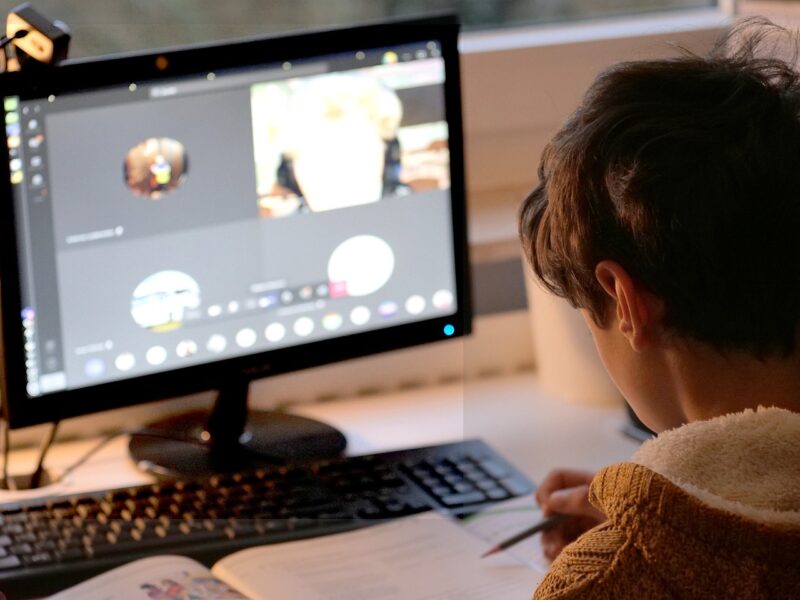
Remote learning has become a significant part of the educational landscape in recent years, particularly accelerated by the global pandemic that forced institutions to rethink how they deliver education. As we navigate through this new reality, it is essential to understand both the opportunities that remote learning presents and the challenges that come with it for students. In this article, we will explore these aspects in detail, providing a comprehensive perspective on how remote learning is reshaping education.
1. Understanding Remote Learning
Remote learning, also known as online learning or distance learning, refers to the process whereby students engage in educational activities from a remote location rather than in traditional classroom settings. This method leverages technology to facilitate learning through digital platforms, enabling students to access courses, interact with instructors, and collaborate with peers from anywhere in the world.
1.1 The Evolution of Remote Learning
Remote learning is not a new concept. It has been around for decades in various forms, such as correspondence courses and online university programs. However, the widespread adoption of high-speed internet and advanced technology in the 21st century has revolutionized how remote learning is delivered. Today’s remote learning environments incorporate multimedia content, real-time interaction, and a plethora of digital tools to enhance the educational experience.
2. Opportunities Offered by Remote Learning
Remote learning presents numerous advantages for students, ranging from increased accessibility to personalized learning experiences. Here are some key opportunities:
2.1 Flexibility and Convenience
One of the most significant benefits of remote learning is the flexibility it offers. Students can learn at their own pace and choose when and where to study. This is particularly advantageous for those who need to balance education with work, family commitments, or other obligations.
2.2 Wider Access to Resources
Remote learning broadens access to educational resources that may not be available locally. Students can attend courses offered by prestigious institutions worldwide, access diverse knowledge bases, and utilize digital libraries, online databases, and various educational tools.
2.3 Personalized Learning Experiences
Many remote learning platforms employ adaptive learning technologies that cater to individual student needs, allowing for a more tailored educational experience. This can help students grasp difficult subjects at their own pace, fostering a more effective learning environment.
2.4 Cost-Effectiveness
Remote learning often reduces or eliminates the costs associated with traditional education, such as commuting, housing, and campus fees. This financial benefit makes education more accessible for students from varying economic backgrounds.
3. Challenges Faced by Remote Learners
Despite its advantages, remote learning also presents significant challenges that students must navigate. Understanding these hurdles is crucial in developing strategies to overcome them:
3.1 Lack of Structure and Discipline
The absence of a traditional classroom environment may lead to challenges in maintaining focus and discipline. Without structured schedules and the in-person presence of teachers and peers, some students may struggle with time management and motivation.
3.2 Limited Social Interaction
One of the downsides of remote learning is the potential for reduced social interaction, which can impact students’ communication skills and emotional well-being. The lack of face-to-face engagement can lead to feelings of isolation and disconnection from peers and instructors.
3.3 Access to Technology
While many students benefit from remote learning technologies, not all have equal access to necessary tools like laptops, tablets, and high-speed internet. This digital divide can create significant barriers to education, particularly for students in underserved communities.
3.4 Challenges with Online Assessment
Evaluating student performance online poses unique challenges. Instructors must develop effective methods to assess student understanding and ensure academic integrity, which can complicate the learning process.
4. Strategies for Success in Remote Learning
To make the most of remote learning experiences, students can employ strategies to maximise their effectiveness:
4.1 Establish a Routine
Creating a consistent daily schedule that mirrors a traditional school day can help cultivate discipline and maintain focus. Setting aside specific hours for studying, breaks, and extracurricular activities can foster a balanced approach to remote education.
4.2 Engage with Peers and Instructors
Taking the initiative to participate in online discussions, collaborate on group projects, and reach out to instructors can enhance the educational experience. Utilizing communication tools and forums can also help bridge the gap of social interaction.
4.3 Leverage Available Resources
Students should take advantage of the resources offered by their institutions, including tutoring services, virtual workshops, and mentoring programs. Additionally, exploring external resources can provide supplementary knowledge.
4.4 Stay Organized
Utilising digital tools like calendars, task lists, and note-taking applications can help students keep track of assignments, deadlines, and study materials. Staying organized is critical for managing the complexities of remote learning.
5. The Future of Remote Learning
As the education landscape continues to evolve, it is likely that remote learning will remain an integral part of educational systems around the globe. Here are some trends shaping the future of remote learning:
5.1 Hybrid Learning Models
Many institutions are beginning to adopt hybrid models, which combine in-person and online learning. This flexible approach allows for the best of both worlds, offering students the chance to engage in face-to-face interactions while still benefiting from remote learning advantages.
5.2 Increased Focus on Digital Literacy
As remote learning becomes more prominent, the emphasis on digital literacy in curricula will grow. Students need to develop the skills necessary to navigate online learning environments effectively, including familiarity with various digital tools and platforms.
5.3 Continued Innovation in EdTech
The rapid growth of educational technology will likely lead to more sophisticated remote learning tools and platforms. Innovations such as virtual reality (VR), augmented reality (AR), and artificial intelligence (AI) are expected to transform the learning experience, making it more engaging and interactive.
5.4 Emphasis on Mental Health and Well-being
Recognizing the challenges posed by remote learning, educational institutions will increasingly focus on students’ mental health. Programs aimed at promoting well-being and coping strategies will become vital components of the learning experience.
Conclusion
The rise of remote learning presents a unique blend of opportunities and challenges for students. While it offers flexibility, accessibility, and personalized experiences, it also introduces hurdles such as lack of social interaction, potential feelings of isolation, and the need for self-discipline. To thrive in remote learning environments, students can adopt effective strategies that encourage engagement, organization, and the utilization of available resources. As we move forward, understanding these dynamics will be essential for maximizing the benefits of remote education in an ever-evolving digital world.