The Rise of Electric Vehicles and What the Future Holds

Lucas Grant
November 11, 2024
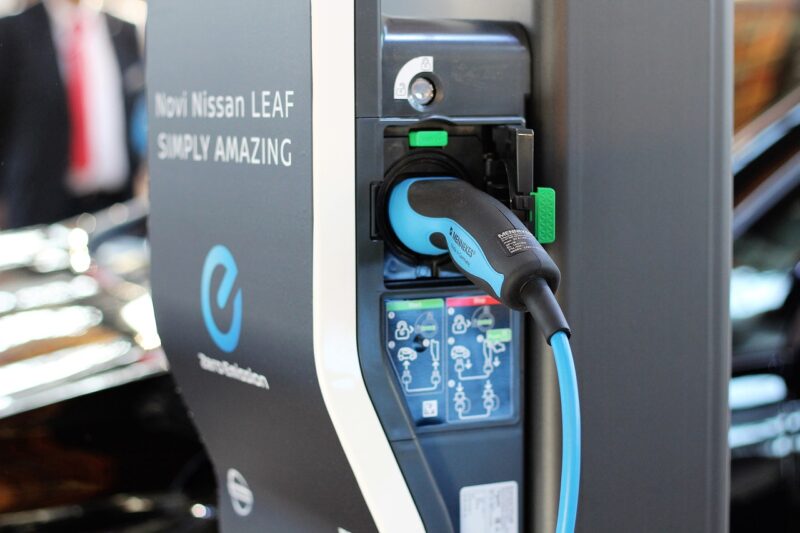
Electric vehicles (EVs) have burst onto the scene, transforming the automotive industry as we know it. Once seen as a niche market with limited appeal, electric vehicles are now at the forefront of discussions about sustainability, innovation, and transportation. As advancements in technology improve the efficiency and affordability of EVs, and as governments worldwide implement stricter emissions regulations, the rise of electric vehicles is not just a trend; it is the future of mobility.
1. A Brief History of Electric Vehicles
The concept of electric vehicles isn’t new. In fact, the very first prototypes of electric cars were developed in the 19th century. However, it wasn’t until the late 20th century that significant strides began to pave the way for modern electric vehicles. The 1990s saw a resurgence of interest, spurred by the need to address growing environmental concerns and over-reliance on fossil fuels. Today, companies such as Tesla, Nissan, and Chevrolet have brought EVs into the mainstream, making them widely recognized and increasingly adopted around the globe.
The technology behind EVs has advanced at a breathtaking pace. From the introduction of the first mass-market electric car, the Nissan Leaf, to the ground-breaking Tesla Model S, the combination of improved battery technology, charging infrastructure, and public perception has dramatically shifted.
2. The Benefits of Electric Vehicles
The benefits of adopting electric vehicles extend far beyond the simple mechanics of getting from point A to point B. Here are some of the most significant advantages:
- Environmental Impact: Electric vehicles produce zero tailpipe emissions, which drastically reduces air pollutants and greenhouse gases. This transition can play an important role in combating climate change and improving urban air quality.
- Cost Efficiency: Although the upfront purchase price of an electric vehicle can be higher than a gasoline-powered car, the long-term operating costs are typically much lower. Owners can save substantially on fuel and maintenance, as EVs have fewer moving parts and require less upkeep.
- Performance: Electric vehicles offer instant torque and smooth, quiet operation, leading to a unique driving experience that many drivers find appealing. The absence of gears allows for rapid acceleration and an overall improved performance during rides.
- Energy Independence: By moving away from oil and embracing electric mobility, countries can reduce their dependence on foreign oil and move towards energy independence. This transition can enhance national security and stabilize energy prices.
With these benefits in mind, it’s no surprise that many consumers are considering the shift to electric vehicles, encouraged by a growing awareness of their positive impact on the environment and economy.
3. Current Market Trends and Adoption
Recent data indicates an exponential growth in electric vehicle sales. According to the International Energy Agency (IEA), the global stock of electric cars hit over 10 million in 2020, an increase of 43% from the previous year. This impressive momentum shows no signs of slowing as automakers pivot their production strategies to focus on electric vehicles across their lineups.
Furthermore, governments worldwide offer incentives to promote EV adoption. For example, countries like Norway and the Netherlands lead the way with generous tax breaks, reduced registration fees, and access to restricted driving lanes for electric vehicles. As charging infrastructure expands and battery technology continues to improve, adoption barriers are quickly being dismantled.
4. The Future of Electric Vehicles: Challenges and Opportunities
While the rise of electric vehicles presents numerous opportunities, it also comes with its share of challenges that must be addressed to ensure sustainable growth.
Charging Infrastructure:
One of the biggest hurdles is the development of a comprehensive charging infrastructure. Crucial to the widespread adoption of electric vehicles, adequate charging stations need to be available in urban and rural areas alike. Both public and private sectors must collaborate to invest in and expand charging networks to meet the needs of electric vehicle owners.
Battery Technology:
Battery capacity and affordability are other factors impacting the growth of electric vehicles. Advances in battery technology will be vital in enhancing driving range, reducing charging times, and lowering costs. Innovations such as solid-state batteries may hold the key to addressing these challenges in the coming years.
Consumer Perception:
Additionally, consumer perception plays a significant role in EV adoption. Misconceptions about electric vehicle performance, range anxiety, and cost of ownership can hinder potential buyers. To combat this, educational campaigns emphasizing the advantages of EVs and real-world success stories can help reshape public opinion.
5. Conclusion: Driving Towards a Sustainable Future
The rise of electric vehicles signifies a monumental shift in the way we think about transportation and sustainability. As advancements in technology continue to unfold, and as consumer awareness grows, the electric vehicle market is poised for unprecedented growth. Policymakers, manufacturers, and consumers all have vital roles to play in this narrative that champions cleaner, greener mobility.
The path forward may be fraught with challenges, but the prospects are clear. Embracing electric vehicles today will not only alter the automotive landscape but also create a more sustainable future for generations to come. As we move towards an electrified world, we are not just witnessing a change in vehicles; we are embracing a transformation in how we live, work, and play.