The Pros and Cons of Using Solar Power at Home

Mia Jensen
November 10, 2024
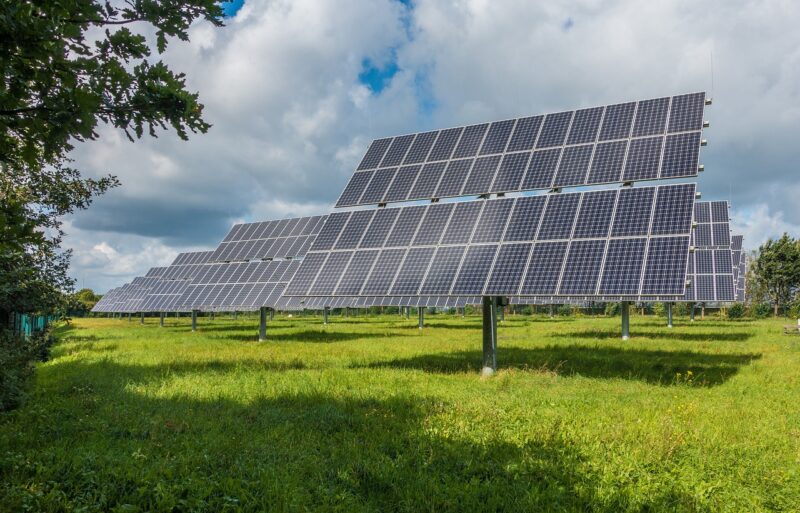
As concerns about climate change and rising energy costs grow, homeowners are increasingly considering alternative energy sources. Among these, solar power stands out as an eco-friendly option that harnesses the sun’s energy. But like any other energy source, it comes with its own advantages and drawbacks. In this article, we’ll explore the pros and cons of using solar power at home, helping you determine if it’s the right choice for you.
1. What is Solar Power?
Solar power is a renewable energy source that captures sunlight using photovoltaic (PV) panels, which convert sunlight into electricity. This renewable energy can be used for various purposes, including heating water, powering homes, and charging electric vehicles. With advancements in technology, solar power has become one of the fastest-growing energy sectors globally.
2. The Pros of Using Solar Power
Understanding the benefits of solar energy is crucial for every homeowner considering its installation. Here are some key advantages:
- Environmentally Friendly: Solar energy is clean and renewable, producing no greenhouse gas emissions during operation, making it a sustainable option compared to fossil fuels.
- Lower Electricity Bills: By generating your electricity, you can significantly reduce your monthly energy costs. In many cases, homes can become energy independent, and excess energy can sometimes be sold back to the grid.
- Increase Property Value: Homes equipped with solar energy systems typically have higher property values compared to those without. Potential buyers are often attracted to homes with lower utility costs and green energy systems.
- Energy Independence: By relying on solar energy, homeowners are less vulnerable to fluctuations in energy prices and geopolitical events that influence energy supply.
- Incentives and Tax Benefits: Many governments offer incentives, rebates, and tax credits to promote solar energy adoption. Homeowners can benefit from significant savings, making the initial investment more manageable.
- Low Maintenance Costs: Once installed, solar power systems require minimal maintenance. Regular cleaning and occasional checks by professionals are generally sufficient to keep the system running efficiently.
3. The Cons of Using Solar Power
While solar power has many notable benefits, it is important to consider some downsides as well:
- High Initial Costs: The initial investment for solar panels, inverters, batteries, and installation can be significant, even with available incentives and financing options.
- Weather Dependent: Solar energy production is heavily dependent on sunlight. Cloudy days and shorter daylight hours in winter can reduce efficiency and energy generation.
- Space Requirements: Solar panels require ample roof space or land to be effective. Homes with shaded areas or smaller rooftops may struggle to accommodate enough panels for significant energy output.
- Intermittent Energy Production: Solar power systems produce energy during the day; thus, homeowners may require backup energy sources such as batteries or connection to the grid for nighttime use or cloudy days.
- Aesthetic Concerns: Some homeowners dislike the visual impact of solar panels on their rooftops or property, which can affect curb appeal.
4. Key Considerations Before Installation
Before making a decision, assess your unique circumstances carefully. Here are some factors to consider:
- Location: Areas with abundant sunlight are better suited for solar installations; consider your geographical location and typical weather patterns.
- Roof Condition: Ensure your roof is in good condition before installation, as solar panels may last for 25 years or more. Repairs may be costly once the system is installed.
- Energy Needs: Assess your energy requirements by analyzing past utility bills. This helps determine the size of the solar system needed to meet your consumption levels.
- Local Regulations: Check local zoning laws and energy regulations. Some areas have stricter guidelines on solar installations that may impact your plans and costs.
- Finances: Review financing options carefully, considering loans, grants, and leasing agreements. Each option has its own pros and cons that may affect your overall savings and returns.
5. Conclusion: Is Solar Power Right for You?
Making the jump to solar power requires thoughtful consideration of the pros and cons. While it offers substantial benefits such as energy independence, lower utility bills, and environmental advantages, there are hurdles such as high initial costs and dependence on weather conditions.
To determine if solar power is right for you, assess your home’s specific circumstances and energy needs. With careful planning and consideration of the factors discussed, a solar energy system could substantially improve your energy efficiency and contribute positively to the environment.
By transitioning to solar power, not only do you reduce your carbon footprint, but you can also enjoy potential savings on your energy bills—helping you to make a positive impact on both your household budget and the planet.