The Power of Representation: How Diversity in Media Changes Perceptions

Ethan Reynolds
November 10, 2024
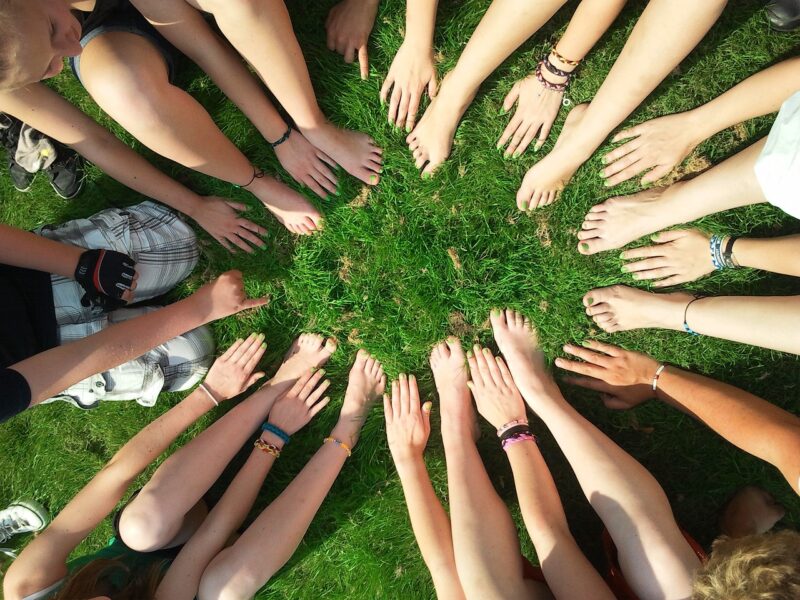
In recent years, the conversation around diversity in media has gained momentum, highlighting how representation affects societal perceptions. The media—whether through television shows, movies, advertising campaigns, or news broadcasts—plays a vital role in shaping the way individuals and communities view themselves and others. With the continued push for greater representation of marginalized groups, this article explores the profound effects of diversity in media and how it can influence societal norms, promote inclusivity, and drive change.
1. Understanding Representation in Media
To grasp the significance of representation, it is crucial to understand what it entails. Representation refers to the inclusion of diverse identities—including race, ethnicity, gender, sexual orientation, age, and ability—within media narratives, characters, and production roles.
Research indicates that representation impacts how individuals perceive their own identities and those of others. When people see themselves reflected in media, it fosters a sense of belonging, acceptance, and empowerment. Conversely, a lack of representation can lead to feelings of invisibility and exclusion.
Several studies emphasize that media representation is not merely about visible diversity but also the depth of character development and the authenticity of portrayals. Diverse characters should be multidimensional and portrayed in various roles, not confined to stereotypes or tokenism.
2. Historical Context: The Shift Towards Inclusive Media
Historically, mainstream media has often marginalized non-white protagonists, women, and the LGBTQ+ community. Films and television shows typically reinforced stereotypes, such as the ‘angry Black woman’ or the ‘nerdy Asian sidekick’. However, the landscape has dramatically changed due to advocacy for social justice and the efforts of diverse creators in the industry.
The late 20th and early 21st centuries witnessed a surge of content that pushed back against these stereotypes. Productions like Black Panther, Crazy Rich Asians, and Pose not only succeeded commercially but also redefined how excellence can be represented across cultures.
As a result, this shift in media representation has the potential to influence societal attitudes, reduce prejudices, and promote empathy among diverse audiences.
3. The Impact of Representation on Audiences
The effects of representation in media extend to various aspects of audience perception and behavior. Here are several ways in which representation influences audiences:
- A Shift in Cultural Norms: Media has the power to shape societal norms and values. Diverse representations challenge stereotypes and provide alternative narratives that broaden audience perspectives. Shows like Orange Is the New Black and Master of None facilitate discussions around race, sexuality, and gender parity, leading to a greater understanding of these issues in real life.
- Increased Empathy: Authentic representation allows viewers to step into the lives of others, fostering empathy through storytelling. Programs that highlight the struggles and triumphs of marginalized communities can create bridges of understanding, encouraging viewers to examine their prejudices and biases.
- Encouragement for Aspiring Creators: For individuals from diverse backgrounds, seeing representation in media can inspire them to pursue careers in the arts, media, and beyond. Representation signals that their experiences and stories matter, encouraging them to forge their paths and contribute to the narrative landscape.
The repercussions of diverse representation can lead to a more equitable society, where diverse voices and experiences are acknowledged and celebrated.
4. Real-Life Case Studies: The Change in Perception through Diverse Media
As we examine the impact of representation, case studies can illustrate the significant changes in perception that result from diverse media representation:
- The Marvel Cinematic Universe (MCU): The global success of Black Panther not only showcased a predominantly Black cast but also highlighted African culture in a celebratory manner. The film’s cultural impact led to a heightened awareness of the complexities and richness of African identities, challenging prevailing stereotypes.
- Television Shows like Pose and The L Word: These shows provide authentic portrayals of the LGBTQ+ community, influencing societal attitudes towards gender identity and sexual orientation. By depicting the lives of transgender, non-binary, and queer characters, they are informed of the struggles individuals faced, paving the way for meaningful dialogue and social acceptance.
- Documentaries and Untold Stories: Documentaries like 13th directed by Ava DuVernay shed light on racial violence and systemic oppression, fostering a profound understanding of America’s complex history with race. Such narratives have led to increased awareness and activism surrounding issues of racial equality and criminal justice reform.
These case studies illustrate how representation in diverse media forms transcends entertainment, creating tangible shifts in societal perspectives and inspiring progressive change.
5. The Future of Media Representation
While progress has been made, ongoing advocacy is necessary to achieve true diversity in media. The industry continues to grapple with the complexities of representation, and it is essential to ensure that all voices are heard and valued. Here are several initiatives that key stakeholders, including creators, producers, and audiences, can champion:
- Support Diverse Creators: Encouraging and supporting content from diverse creators can lead to more authentic stories. Initiatives aimed at fostering diversity in the writer’s room, production teams, and directing roles will help propel the industry forward.
- Critical Engagement in Media Consumption: Audiences can play an active role by critically engaging with the media they consume. Supporting shows and films that feature diverse narratives and holding productions accountable for their storytelling choices promotes inclusivity.
- Advocacy for Representation Across Platforms: Institutions, public figures, and organizations can advocate for diversity across all media platforms, including social media, advertising, and journalism. Creating ongoing dialogues about the importance of representation can drive change at every level of the media ecosystem.
The future of media representation is promising, and by continuing to engage in constructive dialogue and take action, we can enhance diversity across the board.
Conclusion
In conclusion, the power of representation in media is profound. By embracing diversity, we can challenge long-held perceptions, foster empathy, and expand our understanding of the multifaceted human experience. The media has the potential to uplift marginalized voices and narratives, encouraging society to move towards inclusivity and acceptance. As consumers and creators, our combined efforts can lead to a future where diversity is not just acknowledged but celebrated, transforming the media landscape for generations to come.
The journey towards genuine representation is ongoing, and every contribution towards this endeavor helps reshape perceptions, creating a tapestry of shared stories and experiences that unite and empower us all.