The Phenomenon of Animal Rains: Fish, Frogs, and Weird Weather

Oliver Sutton
November 15, 2024
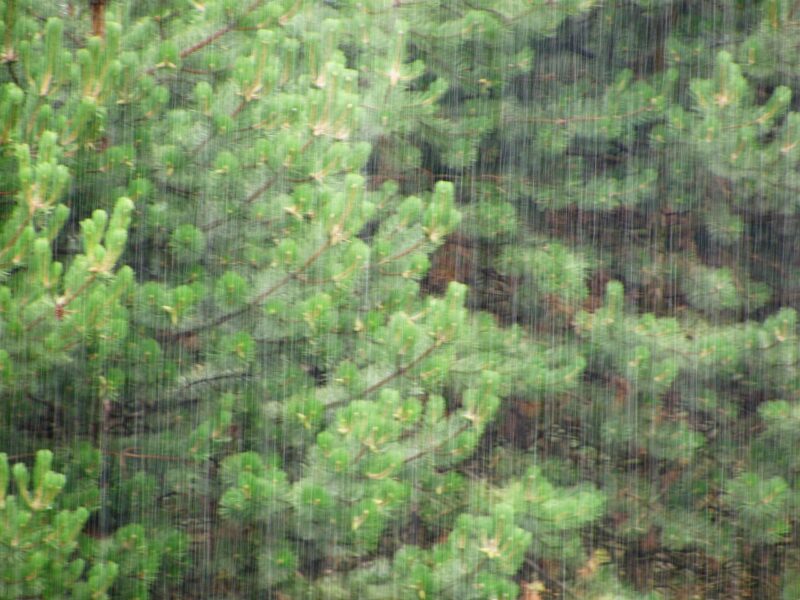
Have you ever heard of rain that brings fish and frogs instead of just water? Animal rains, or meteorological phenomena where live animals fall from the sky, can sound like something out of a fantasy novel. Yet, this bizarre occurrence has been documented throughout history across various cultures. Delve deeper with us as we explore the science, history, and amazing tales behind this curious phenomenon.
1. What Are Animal Rains?
Animal rains refer to instances where animals, such as fish, frogs, birds, or even worms, fall from the sky during or after a weather event. This seemingly odd phenomenon often occurs in thunderstorms, tornadoes, or waterspouts.
Despite its bizarre nature, many scientists believe that animal rains can be attributed to unique weather occurrences. The conditions necessary for animal rains include:
- Strong Updrafts: Tornadoes or strong winds can lift lightweight animals from the ground, carrying them upward and perhaps for long distances before releasing them back down to the Earth.
- Water Spouts: When a waterspout occurs, it can suck in aquatic animals from rivers or lakes and deposit them on land after the waterspout dissipates.
- Heavy Rainfall: Following intense rainfall, instances of fish or frogs may be observed on the ground, swept away from water sources by flooding or storm systems.
Understanding the mechanics behind these incredible occurrences sheds light on how and why they happen.
2. Documented Instances of Animal Rains
Throughout history, numerous accounts of animal rains have been documented across various cultures. Below are some intriguing examples:
- The 1873 Frog Rain in Worcestershire, England: This incident attracted a great deal of attention as local residents claimed that frogs fell from the sky for several days. Many collected these frogs, and some were treated as a sign from the heavens, leading to numerous local legends.
- Fish Rains in Honduras: Regularly occurring in the city of Yoro, rainstorms have been known to bring fish like tilapia. This phenomenon, known as ‘Lluvia de Peces’ (Rain of Fish), takes place during the rainy season and is linked to strong winds and lower atmospheric pressure in the region.
- Fish and Frog Rain in the U.S.: Reports of fish and frogs raining down from the sky have surfaced in various U.S. states. In 2005, a storm in Kansas resulted in fish raining on a local community, while a similar incident involving frogs occurred on the East Coast during a summer storm.
These examples illustrate that animal rains are not just myths but documented occurrences that continue to baffle scientists and excite locals alike.
3. The Science Behind Animal Rains
There’s a specific science behind the occurrence of animal rains. Here’s how the phenomenon works:
– **Meteorological Processes:** During severe storms or tornadoes, powerful updrafts can sweep creatures from their habitats. Light and small animals are more prone to getting caught in these intense wind patterns.
– **Waterspouts:** Similar to tornadoes but occurring over water, waterspouts can pick up aquatic life. They can move hundreds of miles towards land, releasing the animals once they weaken or make landfall.
– **Funnel Clouds:** These unique weather formations can cause sudden rainfalls of animals caught in the funnel or vortex formed.
Interestingly, scientists confirm that this phenomenon can also lead to other odd occurrences, such as the presence of insects or seeds raining down during storms, indicating just how dynamic the atmosphere is.
4. Cultural Significance and Myths
Across various cultures, people have associated animal rains with omens or messages from the divine. For example:
– **In Ancient Literature:** Several biblical texts reference animal rain as divine signs. The phenomenon was thought to signify blessings or warnings, depending on the context of the rain.
– **Folklore and Legends:** Many cultures tell tales about animal rains, attributing spiritual meanings to these occurrences. Such tales often serve to explain unnatural events or provide moral lessons.
– **Scientific Curiosity:** In the modern world, animal rains provoke scientific interest as researchers seek to understand the mechanisms behind this phenomenon, leading to new discoveries about weather patterns and animal behavior.
The ongoing fascination with animal rains continues to influence art, literature, and science, showcasing the blend of myth and reality.
5. The Impact on Local Ecosystems
While it may seem harmless, the phenomenon of animal rains can impact local ecosystems.
– **Population Endangerment:** Rainfalls of frogs or fish into areas where they don’t normally inhabit can result in competition with local species, potentially harming existing residents’ survival.
– **Short-Term Adjustments:** Local wildlife may experience shifts in food availability for a brief period following an animal rain, especially if frogs or fish become an unexpected food source for predators.
– **Biodiversity Influences:** Conversely, while unusual, animal rains could be positive for some ecosystems allowing new genetic material to enter local wildlife pools or diversify food sources for local fauna.
As unusual as it may be, these occurrences serve as a reminder of the delicate balance within our ecosystems.
6. Conclusion: Nature’s Oddities
In conclusion, the phenomenon of animal rains continues to captivate and intrigue people around the globe. Beyond their unusual nature, these events offer a fascinating glimpse into the complexities of our weather systems and the interconnectedness of life. With every report of animal rains, the boundaries of science and folklore blur a bit more, providing a wealth of stories both past and present.
Next time you sit through a thunderstorm or a downpour, keep your eyes peeled. You never know when or where the next rain might bring unexpected visitors from the skies above.
While the exact mechanisms of animal rains still owe much to further exploration, they truly represent the unpredictable wonders of nature that spark curiosity and wonder in us all.