The Mysterious Creatures of the Abyss: Life at the Bottom of the Ocean

Ryan Pierce
November 14, 2024
The ocean is a vast and incomprehensible frontier that encompasses more than 70% of our planet. Yet, despite its expanse, the deep sea remains one of the least explored areas on Earth. Often referred to as the final frontier, the abyssal zones extend over 13,000 feet below the ocean’s surface, presenting extreme conditions like high pressure, darkness, and frigid temperatures. What lies beneath those depths? This article dives deep into the intriguing world of the mysterious creatures that inhabit the ocean’s abyss.
1. The Abyss: A Harsh Environment
To understand the creatures of the abyss, it’s essential to grasp the challenging environment they inhabit. The abyssal layer, usually defined as depths ranging from 13,000 feet to about 20,000 feet, is characterized by:
- High Pressure: At these depths, the pressure can be over 600 times that of atmospheric pressure, affecting the physiology of deep-sea creatures.
- Temperature Extremes: Temperatures hover around 39°F (4°C), creating a chilling environment that many marine creatures have adapted to surviving.
- Complete Darkness: With no sunlight penetrating this far, many creatures have evolved intricate bioluminescent adaptations to illuminate their surroundings and attract prey or mates.
Despite these conditions, the abyss is home to a variety of unique and bizarre organisms that have adapted remarkably over millennia.
2. Extraordinary Life Forms of the Abyss
Deep-sea organisms often exhibit peculiar characteristics that allow them to thrive. Here are some of the most fascinating creatures that call the abyss home:
- Anglerfish: Famous for its bioluminescent lure, the anglerfish uses this feature to attract prey in complete darkness. The males are unusually small in comparison to females and often fuse with their larger counterparts for reproduction.
- Giant Squid: A legendary creature often thought to be mythical, the giant squid can grow up to 43 feet long and features remarkable eyes, adapted to capture any available light. It’s renowned for its elusive nature and deep-sea predatory skills.
- Gulper Eel: Known for its vast, expandable mouth, the gulper eel can consume prey larger than itself. Its unique adaptation allows it to thrive on scarce food resources in the abyss.
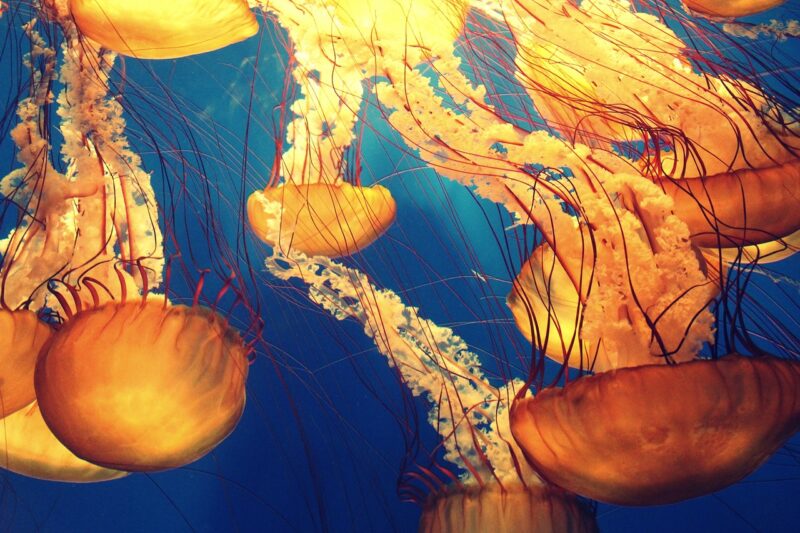
- Deep-sea Jellyfish: Many species, including the spectacular and bioluminescent deep-sea jellyfish, have developed various pulsating forms to capture prey while avoiding detection by predators.
- Sea Cucumber: These creatures play a vital role in nutrient cycling within the abyss. Some can even produce bioluminescent fluids to ward off predators, demonstrating the unique adaptations necessary for survival in such extreme conditions.
The astonishing diversity of creatures found in abyssal zones showcases the incredible adaptability of life in one of the harshest environments on Earth.
3. The Role of Bioluminescence
Bioluminescence is a fascinating adaptation seen in many abyssal creatures. This unique ability allows organisms to produce light through chemical reactions within their bodies. Here’s why bioluminescence is significant:
- Attracting Prey: Creatures like the anglerfish use bioluminescent lures to attract unsuspecting prey within the deep, dark waters.
- Defense Mechanism: Many species, including deep-sea jellyfish, use bioluminescence to confuse predators or signal distress, allowing them to escape.
- Mating Displays: Some creatures use bioluminescence to attract mates, a vital survival trait in the deep sea where visibility is minimal.
Bioluminescence serves as a multifaceted tool for survival, emphasizing the importance of adaptation in abyssal environments.
4. Exploration of the Abyss
While the abyss is teeming with mysterious life, it remains largely unexplored. This section covers key points about deep-sea exploration:
- Advancements in Technology: Innovations like remotely operated vehicles (ROVs) and submersibles have allowed scientists unprecedented access to the depths of the ocean, unveiling species and habitats previously unknown to humankind.
- Conservation Challenges: As human activities, such as deep-sea mining and fishing, encroach on these fragile ecosystems, it is crucial to study and protect these regions from potential ecological disasters.
- Unraveled Mysteries: Each expedition into the abyss continues to reveal countless mysteries, from bizarre new species to ancient ecosystems, helping expand our understanding of life on Earth.|
Exploration stimulates curiosity and knowledge, propelling us to safeguard these mystifying yet delicate realms.
5. The Future of Abyssal Research
The future of abyssal research holds immense potential. Here are trending topics worth exploring:
- Climate Change Impact: Researchers are examining how climate change affects abyssal ecosystems, particularly concerning oxygen levels and temperature changes impacting marine life.
- Bioprospecting Opportunities: The search for novel compounds and biological materials in abyssal organisms promises advancements in medicine, biotechnology, and environmental sustainability.
- Conservation Initiatives: Increasing awareness of the need to protect abyssal ecosystems is essential for maintaining biodiversity and preventing irreversible damage caused by human exploration and exploitation.
The mysteries of deep-sea life provide a unique opportunity for scientific discovery and environmental stewardship.
Conclusion
The abyss is a realm of wonder that continues to captivate scientists and enthusiasts alike. From the remarkable adaptations of its inhabitants to the ongoing challenges of exploration and conservation, life at the bottom of the ocean is as mysterious as it is mesmerizing. As we advance in our understanding of deep-sea ecosystems, it’s vital to remain committed to protecting these extraordinary environments for generations to come.
The exploration of the abyss is far from over, and the next groundbreaking discovery may be lurking just beyond the shadows, waiting for humanity’s curiosity to shed light on the enigma of life at the ocean’s depths.