
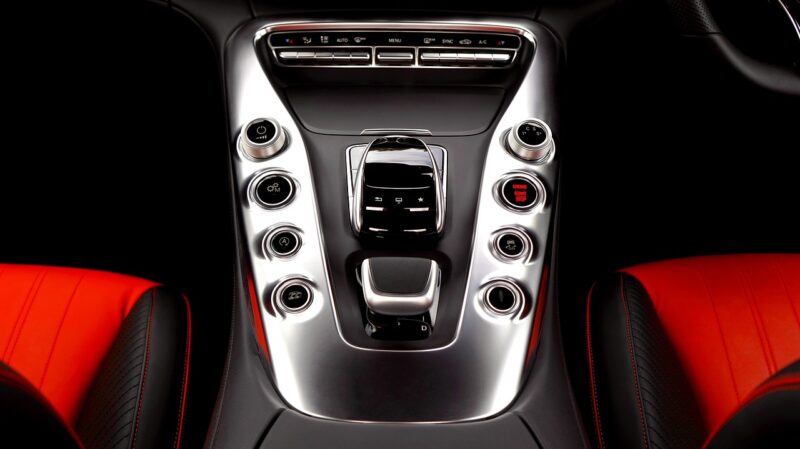
Buying a car is an exciting milestone in many people’s lives, but it can also be a daunting process filled with potential pitfalls. New car buyers often make mistakes that can lead to regret, financial strain, or even buyer’s remorse. In this comprehensive article, we will explore the most common mistakes that new car buyers make and provide strategies to avoid them.
1. Not Doing Enough Research
Before stepping foot into a dealership, potential car buyers should engage in thorough research. This includes comparing models, reviewing features, assessing safety ratings, and evaluating fuel efficiency. Websites like Edmunds, Kelley Blue Book, and Consumer Reports are excellent resources for gaining insights into different vehicles.
Ignoring this step can lead to choosing a car that may not meet your needs, whether in terms of size, capability, or reliability. Consider making a shortlist of vehicles that pique your interest and cross-reference their advantages, disadvantages, and customer reviews.
2. Overlooking Total Costs of Ownership
Many new buyers fixate on the sticker price, forgetting about additional expenses associated with car ownership. These costs can include insurance, maintenance, fuel, and potential repairs. In fact, the total cost of ownership could potentially double or triple the initial purchase price over time.
To avoid this mistake, create a budget that includes:
- Insurance Rates: Get quotes based on the car model you plan to buy.
- Maintenance Costs: Research average yearly costs for servicing and repairs.
- Fuel Efficiency: Calculate annual fuel costs based on expected mileage.
- Depreciation: Understand how quickly your car may lose value over time.
By understanding the full financial picture, buyers can make informed decisions that fit comfortably within their budgets.
3. Failing to Consider Financing Options
Many first-time buyers simply accept the financing options presented at the dealership without shopping around. This can result in paying higher interest rates than necessary. Exploring financing ahead of time through banks, credit unions, or online lenders can reveal better rates and terms.
It’s crucial to be pre-approved for a loan before visiting a dealership to understand what your budget looks like and how much you can afford to borrow. This knowledge empowers you to negotiate more confidently.
4. Ignoring Test Drives
A test drive is the only way to truly understand how a car feels when driving. Many buyers skip this vital step, leading to purchasing a vehicle that might not be comfortable or practical for them. Factors like visibility, driving position, comfort, and handling can significantly affect overall satisfaction.
When test driving, consider the following:
- Different Conditions: Drive under various conditions, including highway and city driving.
- Get a Feel for Controls: Ensure that controls are intuitive and within reach.
- Bring a Co-Driver: Having someone along can help you evaluate space, comfort, and visibility from different angles.
Going for a proper test drive can save buyers from discomfort or issues in the long run.
5. Skipping the Vehicle History Report
For those considering a used car, neglecting to obtain a vehicle history report can be a costly mistake. These reports provide crucial information regarding prior accidents, ownership history, and any reported issues on the vehicle.
Before purchasing a used car, buyers should run a report through services like Carfax or AutoCheck. This information allows buyers to make well-informed decisions and potentially avoid hidden problems.
6. Falling for Sales Tactics
Slick sales tactics can often cloud buyers’ judgment, leading them to make impulsive decisions. Some common tactics include:
- Pushy Salespersons: Pressure to finalize decisions quickly.
- Promotions & Deals: Limited-time offers that create urgency.
- Trade-in Value Manipulation: Misleading trade-in valuations to sweeten the deal on the new car.
To combat these techniques, buyers should set firm boundaries before visiting dealerships, including budget limits and time constraints. Always approach the process with a clear head and willingness to walk away if pressured.
7. Not Researching Dealer Reputation
Some buyers focus solely on the car rather than the dealership itself. Researching dealer reputation can reveal a lot about the quality of service, customer satisfaction, and after-sale support. Websites like DealerRater and Google Reviews provide opportunities to gauge advice, ratings, and overall experiences of past customers.
Selecting a reputable dealer assures better customer service, clearer communication, and fair practices throughout the purchasing process.
8. Emotional Decision-Making
Lastly, a common mistake is allowing emotions to dictate decisions. It’s easy to get caught up in excitement, especially when envisioning owning a shiny new car. However, emotional decision-making often leads to overspending or acquiring vehicles based merely on aesthetic appeal rather than practicality.
To avoid this mistake:
- Stay Objective: List your needs versus wants and prioritize accordingly.
- Get a Second Opinion: Discuss with family or friends who can provide an impartial viewpoint.
Keeping your emotions in check ensures that your choice fulfills your practical needs.
Conclusion
Purchasing a car can be a significant undertaking, but avoiding common mistakes can lead to a wise and satisfying investment. Each of the bumps along the road we’ve discussed can be anticipated and mitigated with proper preparation and a clear understanding of the automobile buying process. By doing your research, understanding the total costs, and remaining objective, you can confidently drive off with a car that suits your lifestyle and budget.
Take your time, educate yourself, and enjoy the ride! The ultimate goal should be walking away from your car-buying experience with something you’re proud of and happy to own.