The Importance of Rivers in Shaping Human Civilizations

Jack Avery
November 16, 2024
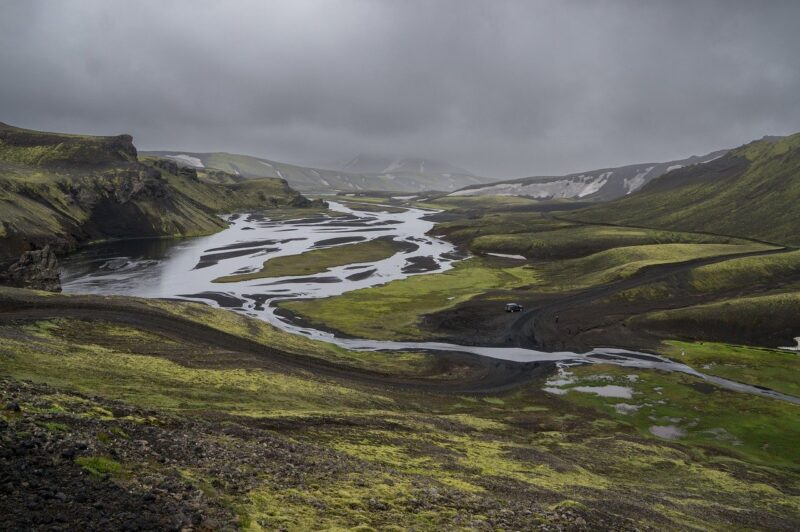
Rivers have played a pivotal role in the development of human civilizations since the dawn of time. From providing a source of water for drinking and agriculture to serving as vital transportation routes, rivers have facilitated trade, cultural exchange, and the growth of societies. This article explores the multifaceted importance of rivers in shaping human history, culture, and environment.
1. The Lifeblood of Early Civilizations
Rivers were crucial to the rise of some of the world’s earliest civilizations. The Fertile Crescent, often called the “cradle of civilization,” thrived between the Tigris and Euphrates rivers. Similarly, the Nile River was the heart of Ancient Egypt, enabling agriculture and providing sustenance to a burgeoning population.
Without reliable water sources, these civilizations would not have flourished. The agricultural productivity made possible by irrigation from rivers allowed societies to settle, grow, and eventually develop complex social structures.
Some key aspects to consider:
- Agriculture: Rivers provided water needed for crops, leading to stable food supplies and population growth.
- Settlement Patterns: Civilizations often grew around rivers, which provided not just water but also fertile soil and natural resources.
- Cultural Significance: Rivers often took on religious and cultural significance, influencing local beliefs and traditions.
Thus, rivers have been instrumental in laying the foundation for societal development and innovation throughout history.
2. Trade and Transportation
Rivers have served as major routes for trade and cultural exchange. Historically, goods, people, and ideas flowed along rivers, creating interconnected trading networks that benefited societies far beyond the immediate riverbanks.
- Access to Markets: Rivers allowed for the transport of goods to markets, enhancing trade and economic growth. Merchants utilized rivers for transporting timber, crops, and textiles, leading to wealth accumulation and diversification of goods available to communities.
- Cultural Exchange: As people traveled along rivers, they exchanged not only goods but also ideas, languages, and technologies. This cultural diffusion enriched societies and promoted understanding among different civilizations.
- Navigation Innovation: The need for efficient transportation on rivers led to innovations in boat and ship design, as well as navigation technologies, which have had lasting impacts on global trade routes.
Rivers remain critical for transportation even in modern contexts, illustrating their longstanding role in commerce and connectivity.
3. Environmental Influence
Rivers significantly impact the environment and biodiversity of regions they flow through. They shape landscapes, create habitats, and influence weather patterns. Additionally, rivers are essential ecosystems that support an array of plant and animal life.
- Habitat Creation: Rivers provide critical habitats for fish, birds, and other wildlife, contributing to the overall health of ecosystems.
- Water Cycle Contribution: Rivers play a vital role in the water cycle, helping to circulate water back into the atmosphere through evaporation and transpiration, thus influencing local climates and precipitation patterns.
- Floodplain Fertility: River floods deposit nutrient-rich sediments across floodplains, fostering robust agricultural practices and promoting biodiversity in the region.
The ecological importance of rivers underscores the need for conservation efforts to ensure their health and the sustainability of the environments that depend on them.
4. Modern-day Challenges and Opportunities
Despite their historical importance, rivers face numerous threats today, including pollution, dam construction, climate change, and over-extraction of water resources. Addressing these challenges requires a concerted effort from governments, communities, and international organizations.
- Pollution Control: Industrial waste, agricultural runoff, and plastic pollution threaten the health of rivers globally. Clean-up initiatives and sustainable practices are critical to restoring water quality.
- Sustainable Management: Implementing integrated water resource management allows for sustainable usage while ensuring environmental preservation and technological advancements in water conservation.
- Climate Resilience: Rivers act as buffers against climate change effects. Restoring rivers and wetlands can improve ecosystem resilience to flooding and droughts, benefiting both human populations and wildlife.
The future of rivers depends on proactive measures to protect and restore these vital waterways, recognizing their critical roles in human civilization.
Conclusion
The importance of rivers in shaping human civilizations cannot be overstated. They provided sustenance, facilitated trade, influenced cultural practices, and supported diverse ecosystems. As contemporary societies face increasing challenges related to water management and environmental protection, recognizing the vital role of rivers is more crucial than ever. By prioritizing the health of our rivers, we ensure not only our own survival but also the continuation of rich histories, vibrant cultures, and thriving ecosystems that contribute to the richness of our shared human experience.
As we reflect on the profound impact rivers have had throughout history, let us advocate for their conservation and restoration, ensuring they remain lifelines for future generations.