The Importance of Biodiversity: Why Every Species Matters

Ryan Pierce
October 26, 2024
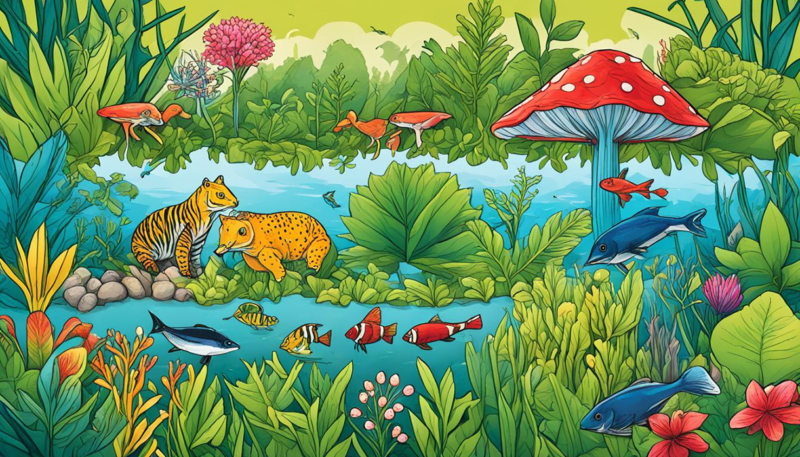
Biodiversity, the variety of life on Earth, is essential to the well-being of our planet and human society. From the tiniest microorganisms to massive ecosystems, every species plays a role in creating the balance needed for life to thrive. However, biodiversity is under serious threat due to human activities, climate change, and habitat destruction. This article explores the importance of biodiversity, why each species matters, and what we can do to protect this invaluable natural resource.
1. Understanding Biodiversity: A Complex Web of Life
Biodiversity encompasses the full range of life forms on Earth, including plants, animals, fungi, and microorganisms. It exists at three levels:
- Genetic Diversity: The variety within a single species, which allows populations to adapt to changing environments.
- Species Diversity: The different species within an ecosystem or the entire planet, contributing to ecological resilience.
- Ecosystem Diversity: The variety of ecosystems such as forests, oceans, and deserts, which support different species and environmental processes.
Biodiversity acts like a network of interdependent threads; if one thread weakens or breaks, it can compromise the whole system. Understanding and preserving biodiversity is therefore critical to maintaining the resilience of our natural world.
2. The Role of Biodiversity in Ecosystem Services
Ecosystem services are benefits that natural systems provide to humans. Biodiversity enhances these services, which are categorized into:
- Provisioning Services: These include food, water, timber, and medicinal resources. Biodiverse ecosystems provide a range of plant and animal species essential for human survival.
- Regulating Services: Biodiversity regulates natural processes such as air quality, carbon storage, pollination, and pest control, helping to maintain balance within ecosystems.
- Cultural Services: Diverse ecosystems inspire art, recreation, and spirituality. Nature holds cultural significance for people across the globe.
- Supporting Services: These include soil formation, photosynthesis, and nutrient cycling, which are necessary for all other ecosystem services.
By maintaining biodiversity, we safeguard these invaluable services that not only sustain the environment but also support our health and economy.
3. Why Every Species Matters: The Keystone Species Concept
Some species play a disproportionately large role in maintaining the structure of an ecosystem. Known as keystone species, their presence or absence affects many other organisms within the same ecosystem. For example:
- Beavers: These animals create wetlands by building dams, which provide habitats for fish, amphibians, and birds.
- Wolves: In regions like Yellowstone, wolves control deer populations, allowing vegetation to flourish and support a more diverse ecosystem.
- Coral Reefs: Coral reefs support thousands of marine species. Their decline would result in the loss of entire ecosystems.
Each species contributes to ecological health in unique ways. When a keystone species is removed, the impact is often significant, underscoring the importance of every organism in preserving biodiversity.
4. Biodiversity and Climate Stability
Biodiverse ecosystems help mitigate climate change by absorbing carbon dioxide and stabilizing weather patterns. Forests, oceans, and grasslands act as carbon sinks, reducing the concentration of greenhouse gases in the atmosphere. For instance:
- Forests: Tropical rainforests absorb vast amounts of carbon dioxide, significantly offsetting human emissions.
- Oceans: Marine plants, especially algae and seagrass, absorb carbon dioxide, producing oxygen and supporting marine life.
A decrease in biodiversity weakens these natural systems, making it harder to combat climate change. Protecting biodiversity is therefore a crucial part of environmental conservation efforts.
5. Economic Value of Biodiversity
Biodiversity contributes billions of dollars to the global economy each year. Various industries rely on a diverse natural world for raw materials, research, and sustainability. Here are some examples:
- Pharmaceuticals: Many medicines are derived from plants and animals, and future medical breakthroughs depend on biodiversity.
- Agriculture: Crop diversity provides resilience against pests and diseases. Biodiversity in agriculture is essential for food security.
- Tourism: Ecotourism generates income for many countries. Preserving natural landscapes and wildlife attracts millions of tourists.
The loss of biodiversity can negatively impact economies, particularly those reliant on natural resources, by reducing available resources and increasing the cost of finding alternatives.
6. Threats to Biodiversity
Biodiversity faces numerous threats, primarily from human activities. Some of the main threats include:
- Habitat Loss: Deforestation, urbanization, and agricultural expansion destroy natural habitats, reducing space for species to thrive.
- Climate Change: Rising temperatures, altered rainfall patterns, and extreme weather events force species to adapt, migrate, or face extinction.
- Pollution: Chemical pollutants, plastic waste, and toxic runoff harm both terrestrial and aquatic life, impacting entire food chains.
- Overexploitation: Overfishing, hunting, and harvesting reduce population sizes, often leading to endangered species.
Recognizing and mitigating these threats are critical steps in preserving biodiversity for future generations.
7. How We Can Protect Biodiversity
Protecting biodiversity requires global cooperation and individual action. Strategies for conservation include:
- Protected Areas: Creating national parks and wildlife reserves safeguards habitats and allows ecosystems to recover.
- Sustainable Practices: Reducing deforestation, limiting pesticide use, and adopting sustainable fishing can help protect species and their habitats.
- Supporting Conservation Efforts: Donations, volunteering, and spreading awareness about biodiversity conservation are ways individuals can help.
- Education and Awareness: Teaching the importance of biodiversity encourages sustainable practices and inspires conservation initiatives.
By taking collective action, we can work toward preserving biodiversity, ensuring the survival of countless species, and maintaining the balance of our planet’s ecosystems.
Conclusion
Biodiversity is a complex and invaluable part of our world. Every species, from the smallest insect to the largest mammal, plays a role in maintaining ecological balance and supporting life on Earth. The loss of biodiversity threatens not only the environment but also human survival, health, and economic stability. By understanding the importance of biodiversity and actively working to protect it, we can ensure a resilient, thriving world for generations to come.
Preserving biodiversity is not only an environmental responsibility but a moral imperative. Through sustainable practices, policy changes, and individual action, we can all contribute to the preservation of Earth’s incredible diversity. Every species matters, and the time to protect biodiversity is now.