The Future of Charging Stations: How Global Networks are Expanding for EV Owners

James Holloway
October 25, 2024
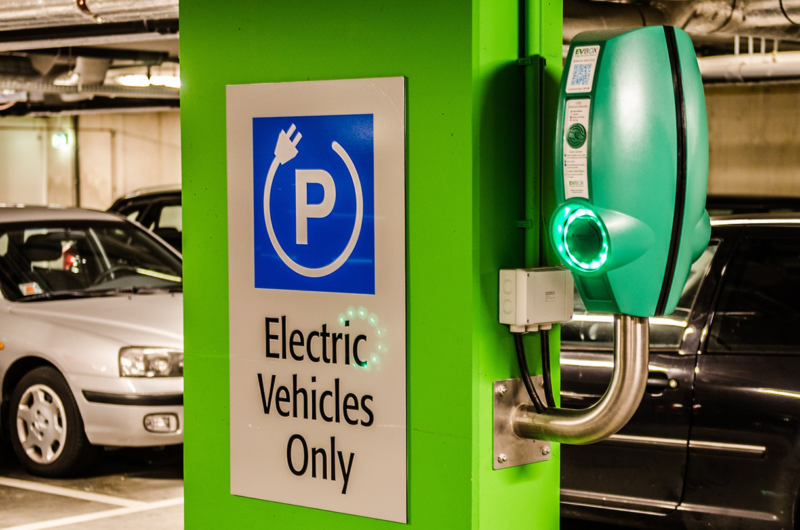
As electric vehicles (EVs) continue to gain popularity, the need for a reliable and widespread charging infrastructure is more critical than ever. To support the growing number of EVs on the road, countries around the world are investing in expanding charging station networks, making it easier for drivers to power up their vehicles wherever they are. From faster charging speeds to wireless charging and solar-powered stations, the future of EV charging is set to transform the way we travel and reduce range anxiety for drivers.
In this article, we’ll explore the latest trends in charging station technology, how global networks are expanding, and what the future holds for EV owners.
1. The Importance of Charging Infrastructure for EV Adoption
One of the key factors influencing the adoption of electric vehicles is the availability of charging infrastructure. While home charging remains the most common method for recharging EVs, a robust network of public charging stations is essential for longer trips and for EV owners who don’t have access to home chargers.
Why charging infrastructure matters:
- Reducing Range Anxiety: For many potential EV buyers, the fear of running out of charge before reaching a charging station—known as range anxiety—remains a significant concern. A well-developed network of charging stations helps alleviate this worry.
- Supporting Long-Distance Travel: Public charging stations, especially along highways and major routes, are essential for enabling long-distance travel in EVs, making it easier to plan road trips and commutes.
- Urban Charging Solutions: In cities, where many drivers may not have access to private garages or home chargers, public charging stations are critical for ensuring that all EV owners can charge their vehicles conveniently.
As EV adoption increases, the expansion of public charging infrastructure will play a pivotal role in making electric vehicles a practical choice for more drivers.
2. Global Expansion of Charging Networks
To keep pace with the growing demand for EVs, governments and private companies around the world are investing heavily in the expansion of charging station networks. Several key regions are leading the charge in developing extensive charging infrastructures.
Global leaders in EV charging network expansion:
- Europe: Europe is at the forefront of EV charging infrastructure development, with countries like Norway, the Netherlands, and Germany building dense networks of charging stations. The European Union’s Green Deal has set ambitious targets to install millions of public charging points across the continent by 2030.
- United States: The U.S. is rapidly expanding its charging infrastructure through initiatives like the National Electric Vehicle Infrastructure (NEVI) program, which aims to build a nationwide network of fast chargers along highways. Companies like Tesla, ChargePoint, and Electrify America are also leading the way in private charging network development.
- China: As the world’s largest EV market, China has invested heavily in charging infrastructure, with plans to install millions of new charging stations over the next decade. State-owned companies and private enterprises are working to create a seamless charging experience for Chinese drivers.
The global expansion of charging networks is making EV ownership more accessible, allowing drivers to travel longer distances with greater confidence.
3. Technological Advancements in Charging Stations
The future of EV charging is not just about building more stations but also improving the technology behind them. Several innovations are set to transform the way EVs are charged, making the process faster, more convenient, and more sustainable.
Key technological advancements in charging stations:
- Fast Charging (DC Fast Chargers): Fast chargers, also known as DC fast chargers, are becoming increasingly common. These chargers can provide up to 80% of an EV’s battery capacity in as little as 20-30 minutes, making them ideal for highway stations and long-distance travel.
- Ultra-Fast Charging: Companies like Tesla and Porsche are developing ultra-fast charging systems that can charge an EV in under 15 minutes. As battery technology improves, these chargers will become more widespread, reducing charging times to rival traditional refueling times for gasoline cars.
- Wireless (Inductive) Charging: Wireless charging technology is being developed to allow drivers to charge their vehicles simply by parking over a charging pad. This technology could eliminate the need for cables and make charging even more convenient, especially in public spaces.
- Solar-Powered Charging Stations: Solar-powered charging stations are gaining popularity as a sustainable solution for EV charging. These stations use solar panels to generate electricity, reducing reliance on the grid and providing a greener way to charge electric vehicles.
These technological advancements are helping to make EV charging faster, more efficient, and more environmentally friendly, ensuring that the infrastructure can meet the needs of future EV owners.
4. The Role of Smart Grids and Energy Management
As more electric vehicles hit the road, the demand for electricity is expected to rise significantly. To manage this increased demand, smart grids and energy management systems are being developed to ensure that EV charging is integrated efficiently into the electrical grid.
How smart grids are transforming EV charging:
- Load Balancing: Smart grids can balance the load on the electrical grid by optimizing when and where EVs are charged. This helps prevent grid overloads and ensures that electricity is distributed efficiently.
- Vehicle-to-Grid (V2G) Technology: V2G technology allows EVs to send electricity back to the grid during peak demand periods. This creates a two-way relationship between EVs and the grid, helping stabilize the grid while providing financial incentives for EV owners.
- Time-of-Use Charging: Smart grids can encourage EV owners to charge their vehicles during off-peak hours when electricity demand is lower. This reduces strain on the grid and can lower charging costs for consumers.
Smart grids and energy management systems will be essential for supporting the widespread adoption of EVs while ensuring the stability and efficiency of the electrical grid.
5. Charging Stations for Urban and Rural Areas
One of the challenges facing the expansion of charging networks is ensuring that both urban and rural areas have adequate access to charging stations. While cities often have a higher concentration of charging points, rural and remote areas can face challenges in building the necessary infrastructure.
Strategies for expanding charging stations in different regions:
- Urban Charging Hubs: In densely populated cities, the focus is on building charging hubs in public places, such as parking garages, shopping centers, and residential complexes. These hubs provide high-capacity charging for multiple vehicles at once, reducing wait times and increasing convenience.
- Rural Charging Solutions: In rural areas, where distances between towns are greater and population density is lower, fast chargers and destination chargers are crucial for ensuring that EVs can travel long distances without running out of charge. Governments are incentivizing the development of rural charging networks to ensure equity in access.
- Workplace Charging: As more employers adopt EV-friendly policies, workplace charging stations are becoming more common, allowing employees to charge their vehicles during the workday and reducing the need for public charging stations.
By developing targeted strategies for both urban and rural areas, governments and private companies can ensure that all drivers have access to the charging infrastructure they need.
6. The Future of Charging Stations: What to Expect
As electric vehicles become more mainstream, the future of charging stations looks promising, with continued innovation and expansion on the horizon. Several trends are set to shape the future of EV charging infrastructure in the coming years.
Future trends in charging stations:
- Integration with Renewable Energy: As the world transitions to renewable energy, more charging stations will be powered by solar, wind, and other clean energy sources. This will make EV charging even more sustainable and reduce the carbon footprint of electric vehicles.
- Autonomous Charging Stations: In the future, autonomous vehicles may be able to charge themselves at designated stations without driver intervention. This could be particularly useful for delivery vehicles, taxis, and other commercial fleets.
- Universal Charging Standards: The development of universal charging standards will simplify the charging process, allowing any EV to charge at any station, regardless of the manufacturer. This will make charging networks more user-friendly and accessible.
- Expansion into Developing Markets: As electric vehicles become more affordable, developing markets are expected to see significant growth in EV adoption. To support this growth, charging networks will need to expand into new regions, bringing clean mobility to more people around the world.
The future of charging stations is set to be faster, more convenient, and more integrated with the broader goals of sustainability and clean energy.
Conclusion: A Bright Future for EV Charging Networks
The expansion of charging station networks is crucial for the widespread adoption of electric vehicles. As global investments in EV infrastructure increase and new technologies emerge, the future of charging stations looks bright. With faster charging times, smarter energy management, and a commitment to sustainability, EV charging is evolving to meet the needs of drivers around the world. For EV owners, this means greater convenience, reduced range anxiety, and a cleaner, greener future for transportation.