The Fascinating History of the Great Wall of China: Myths and Facts

Olivia Barrett
November 14, 2024
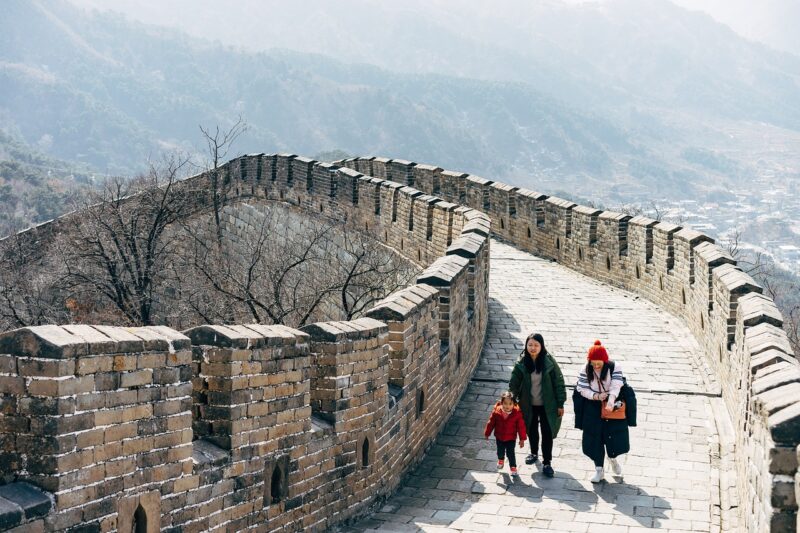
The Great Wall of China is one of the most iconic structures in the world, stretching over 13,000 miles across northern China. This monumental feat of engineering has captivated historians, tourists, and culture enthusiasts alike for centuries. But how much do we really know about its history, its construction, and the myriad myths that surround it? In this article, we will dissect the fascinating history of the Great Wall of China, explore its numerous myths, and provide you with a solid understanding of one of the most significant architectural achievements in human history.
1. The Origins of the Great Wall
The Great Wall’s construction began as early as the 7th century BC, during the Warring States Period. At this time, various states constructed their walls for defense against nomadic tribes from the north. The initial walls were made from tamped earth, wood, and stones and varied in height and thickness. However, the most significant construction came during the Ming Dynasty (1368-1644), when the Wall was rebuilt and expanded into the formidable structure we recognize today.
Among the reasons for building these walls were:
- Defense Against Invasions: The primary purpose of the Wall was to protect agricultural lands from invasions by the Mongols and other incursions from the north.
- Control of Trade: The Wall served to control trade routes along the Silk Road, ensuring safer passage for merchants and limiting smuggling.
- Symbol of National Unity: The Great Wall was also a symbol of the strength and unity of China, especially during times of strife and invasions.
Over the centuries, the Great Wall evolved, and its construction techniques advanced, leading to significant enhancement in its design and structure. Each dynasty that ruled China contributed to the Wall’s length and fortification.
2. Myths Surrounding the Great Wall
A wealth of myths has developed around the Great Wall of China over the years. Here are some of the most common misconceptions:
- Myth 1: The Wall is Visible from Space
Contrary to popular belief, the Great Wall is not visible from space without aid. Astronauts have confirmed that it is challenging to discern the Wall with the naked eye from low Earth orbit due to its narrow width and the natural landscape surrounding it. - Myth 2: It was Built in a Single Dynasty
The Wall was built and rebuilt over several dynasties, most notably during the Ming Dynasty. The Ming’s restoration and enhancements are often mistaken as the entirety of its construction history. - Myth 3: The Great Wall is One Continuous Wall
The Great Wall is not a single, unbroken wall but rather a collection of walls and fortifications. The geographical landscape created the need for different sections, which varied greatly in construction style and materials used. - Myth 4: The Great Wall is Indestructible
Many people wrongly believe that the Wall is impervious to damage. In reality, natural elements, erosion, and human activity have taken their toll on the Wall, with many sections falling into disrepair over time.
In examining these myths, it becomes evident that the Great Wall is not just a physical structure but a cultural touchstone, giving us insight into our relationship with history and heritage.
3. The Construction Techniques & Materials Used
The construction techniques of the Great Wall varied throughout its history, influenced by the availability of local materials, the skill of builders, and the intended purpose of the wall. Notably:
- Early Walls (7th Century – 221 BC): These walls were constructed primarily from tamped earth, bamboo, and timber. Building communities created simple but effective barriers using surrounding materials.
- Han Dynasty (206 BC – 220 AD): The Han extended the Wall into the western regions, integrating rammed earth techniques, making the structure even sturdier than before.
- Ming Dynasty (1368-1644): This period saw the robust use of bricks, stone, and lime mortar. The Ming constructed a more formidable defense utilizing watchtowers, beacon towers, and arrow fortifications, reflecting advanced military architecture.
Many of the bricks used in construction were labeled with the name of the site where they were produced, revealing a strong sense of ownership and pride among the builders.
4. Cultural Significance of the Great Wall
Beyond its physical attributes, the Great Wall of China holds immense cultural significance. It symbolizes:
- National Pride: The Wall represents the struggle and resilience of the Chinese people throughout history, showcasing their determination to unify and protect their land.
- Historical Heritage: As a UNESCO World Heritage site, the Great Wall serves as a reminder of China’s architectural prowess and historical challenges. It stands as an educational tool, attracting millions of visitors who wish to learn about its story.
- Cultural Influence: The Great Wall has inspired numerous works of art, literature, and film, effectively making its mark on global culture. It stands as a metaphor for perseverance, often utilized in various contexts to symbolize endurance against adversities.
The Great Wall is not merely a relic of the past but a dynamic symbol of Chinese identity that continues to influence contemporary discussions about history, culture, and societal values.
5. Preservation and Challenges Facing the Great Wall Today
Despite its monumental importance, substantial parts of the Great Wall face preservation challenges due to:
- Erosion and Weathering: Many sections are suffering from natural erosion caused by wind and rain. The materials used to construct the Wall have deteriorated over time, presenting the need for restoration efforts.
- Human Activity: Increasing tourism adds strain on certain parts of the Great Wall, leading to potential damage from visitors. The need for sustainable tourism practices has become urgent to protect this historic site.
- Unauthorized Construction: Some sections of the Wall have been targeted for stone harvesting, leading to further degradation.
Chinese authorities, alongside various conservation groups, are actively engaged in restoration projects, often using traditional methods to maintain the authenticity of the Wall. Their efforts aim to preserve not only the physical structure but also the cultural heritage it represents.
Conclusion
The Great Wall of China is a profound testament to human ingenuity, resilience, and cultural significance. Understanding its history, clarifying myths, and acknowledging its challenges is essential for appreciating this marvel. Whether you plan to visit or simply admire from afar, the Great Wall remains a monumental symbol of Chinese heritage and an enduring example of architectural achievement. As stewards of history, we must work together to ensure its preservation for generations to come.
In summary, the Great Wall is not merely a series of stones and bricks but an embodiment of thousands of years of history, ideology, and culture, standing tall against the test of time.