The Evolution of the Superhero Genre and Its Cultural Impact

Mia Jensen
November 10, 2024
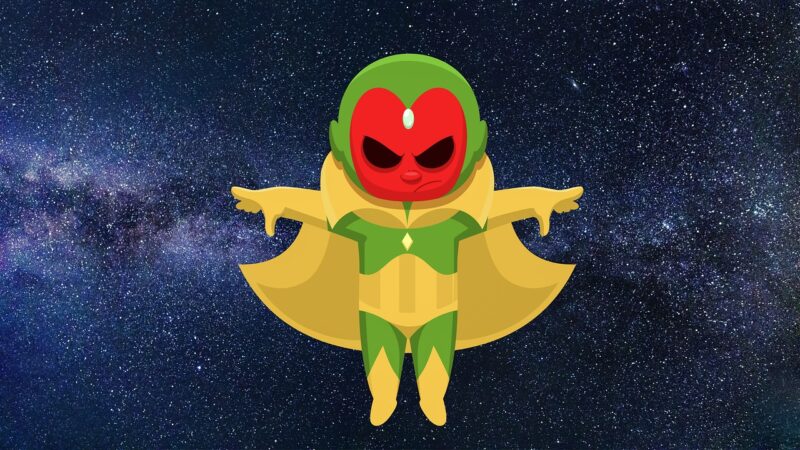
The superhero genre is one of the most pervasive and influential narrative forms in modern popular culture. Originating from comic books in the early 20th century, superheroes have evolved through various media, reflecting societal values, fears, and aspirations. In this article, we explore the evolution of the superhero genre, examining its roots, transformation over decades, and the profound cultural impact it has had on society.
1. The Birth of Superheroes: A Historical Perspective
The superhero genre emerged in the 1930s, a decade marked by economic hardship and political strife. Characters such as Superman (1938) and Batman (1939) offered an escape for readers during the Great Depression. Superheroes were imbued with extraordinary powers that enabled them to protect citizens and uphold justice.
This era established key characteristics of superheroes, including their origins, alter egos, and the iconic “origin story” narrative that details how they acquired their powers. Superman, an alien being raised as a human, became a symbol of hope, while Batman’s tragic backstory resonated with audiences, highlighting themes of vengeance and justice.
2. The Silver Age: Modernization and Complexity
The Silver Age of Comics (1956-1970) saw a renaissance of the superhero genre with new characters such as Spider-Man, the X-Men, and the Avengers. Writers like Stan Lee and Jack Kirby began to create more complex characters with relatable struggles, grappling with issues like identity, morality, and social justice. For instance, Spider-Man’s mantra of “With great power comes great responsibility” became a cornerstone of his character’s ethos and appealed to the younger generation.
During this time, the superhero genre began to address contemporary issues, from civil rights to the Vietnam War. Characters like Black Panther and Green Lantern addressed themes of race and inclusion, reflecting changing societal attitudes. The superhero comic became not just entertainment but a medium for exploring deep social concerns.
3. The Bronze Age: Darker Themes and Realities
The Bronze Age (1970-1985) introduced darker narratives as creators began to explore more serious themes. This era was notable for its emphasis on realism, focusing on the psychological complexities of superhero lives. Comics tackled issues such as drug abuse, mental health, and violence in ways they hadn’t before.
Notably, works like “The Dark Knight Returns” by Frank Miller and “Watchmen” by Alan Moore deconstructed traditional superhero tropes, revealing their potential for moral ambiguity. The heroes became flawed individuals facing real-world dilemmas, affecting their actions and relationships.
4. The Modern Age: The Expansion of the Universe
The Modern Age of Comics (1985-Present) marked a significant shift as the superhero genre expanded beyond comics into films, television, and video games. The introduction of comic book adaptations, beginning with films like “Superman” (1978) and the Batman films of the late ’80s and early ’90s, brought superheroes into the mainstream.
The 2000s saw the rise of the Marvel Cinematic Universe, beginning with “Iron Man” (2008), which successfully blended character development with thrilling action. This crossover format, culminating in ensemble films such as “The Avengers” (2012), revolutionized the portrayal of superheroes, with interconnected storylines boosting excitement for franchises.
Additionally, streaming services have allowed for innovative narratives in superhero storytelling, as seen in shows like “Daredevil” and “WandaVision,” which explore deeper themes and character arcs in a serialized format.
5. Cultural Impact: Reflections and Aspirations
The superhero genre has had a vast cultural impact, shaping and reflecting societal norms and values. Superheroes serve as modern myths, embodying ideals of justice, bravery, and sacrifice. They inspire individuals to aspire to greater ideals, often reflecting the struggle for identity and inclusivity in society.
Superheroes also provide a means for the public to grapple with real-life issues—be it terrorism, climate change, or social inequality—through metaphor and storytelling. Characters such as Wonder Woman have become symbols of feminism and empowerment, while Black Panther has played a pivotal role in celebrating Black culture and representation on-screen.
Moreover, the representation of diverse characters in recent superhero narratives has begun to reflect society more accurately. Films like “Black Panther” and “Shang-Chi and the Legend of the Ten Rings” opened doors for multicultural representation, allowing new voices and stories to emerge from within the genre.
6. The Future of Superheroes: A Continuum of Stories
As the superhero genre continues to evolve, it must confront challenges such as audience fatigue and the demand for fresh narratives. The foundation laid by decades of storytelling has opened the door for new interpretations, such as anti-heroes and morally uncertain characters who highlight the complexities of the human experience.
Emerging technologies will also shape the genre, enhancing cinematic experiences through virtual reality and interactive formats. As seen in properties like “Spider-Man: Into the Spider-Verse,” animation and unique artistic styles provide fresh storytelling techniques that engage audiences on different levels.
In a rapidly changing world, superheroes will continue to adapt, reflecting the complexities of contemporary life while offering heroism that resonates deeply with audiences.
Conclusion
The evolution of the superhero genre mirrors our own societal progressions and challenges. From their humble beginnings in comic books to their transformation into cinematic spectacles, superheroes have become cultural icons that inspire and reflect our values. As we look to the future, it is clear that superheroes will continue to play an essential role in shaping narrative storytelling and cultural discourse for generations to come.