The Evolution of Money: From Bartering to Cryptocurrency

Benjamin Parker
November 10, 2024
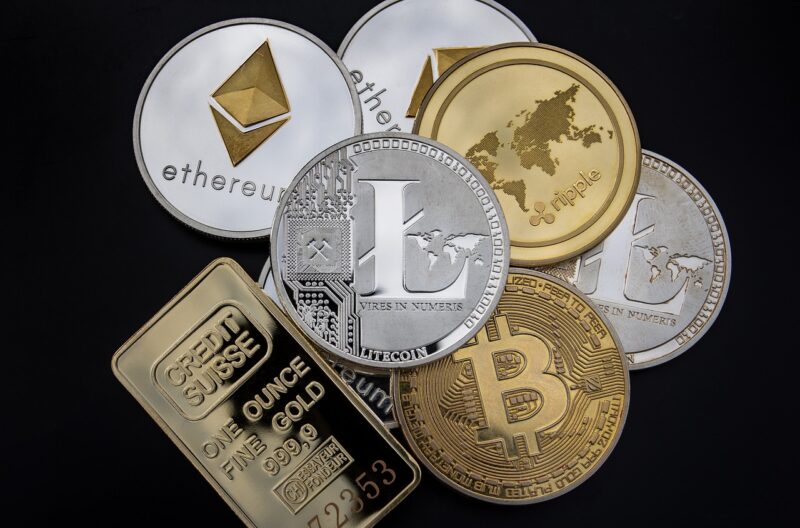
Money has been a cornerstone of human civilization for thousands of years. It is not merely a medium of exchange but also a powerful tool that shapes economies and influences our lives. The journey of money from primitive bartering systems to sophisticated cryptocurrencies reflects our evolving understanding of value, technology, and trust.
1. Understanding Bartering: The Original System
In the earliest days of human interaction, there was no formal system of money. The exchange of goods and services took place through bartering, a direct trade system. If you had apples and needed a knife, you would find a knifemaker willing to trade their knife for your apples.
However, bartering came with its own challenges:
- Double Coincidence of Wants: This means both parties must desire what the other has to offer. Finding someone with the exact goods you need who also wants what you have can be challenging.
- Divisibility: Some goods cannot be divided easily. For example, you can’t very well barter a cow for a pair of shoes, leading to valued items being impractical for trade.
- Storage and Durability: Perishable goods, such as food, have a limited lifespan, complicating trading further.
Ultimately, these challenges led people to seek a more efficient and reliable form of exchange.
2. The Birth of Commodity Money
As societies grew, the need for a more systematic approach led to the development of commodity money. This form of money consisted of items with intrinsic value, such as salt, gold, silver, or grain. Commodity money resolved many of the issues inherent in bartering:
- Standardization: Certain commodities became widely recognized as valuable, providing a more consistent medium of exchange.
- Divisibility and Durability: Precious metals like gold and silver could be easily divided and stored for long periods, facilitating trade.
- Universality: Commodity money could be used and recognized across various regions and cultures.
Nevertheless, the limitations of commodity money remained, particularly regarding transportation and security. Carrying large quantities of precious metals became cumbersome, leading to the invention of the next key development in monetary evolution.
3. The Introduction of Fiat Money
Fiat money emerged as a more sophisticated form of currency that did not have intrinsic value but was backed by a government’s promise to honor it. The first notable use of fiat currency dates back to China during the Tang Dynasty in the 7th century. Over time, this concept spread throughout the world, becoming the dominant form of currency.
Key characteristics of fiat money include:
- Government Backing: The value of fiat money comes from the trust and authority of the issuing government rather than a physical commodity.
- Legal Tender: Fiat money is recognized by law as a valid form of payment for debts and taxes.
- Central Banking Systems: Countries established central banks to regulate the supply and create stability in their economies through monetary policy.
Fiat money significantly simplified transactions, allowing for easier trade while laying the groundwork for modern banking systems.
4. The Impact of Digital Currency and Online Banking
The rise of the internet in the late 20th century led to significant advancements in financial technology. The introduction of digital banking ushered in faster, more convenient ways to conduct transactions. Online banking allowed individuals and businesses to manage their funds remotely, paving the way for further innovations in monetary transactions.
Additionally, payment platforms like PayPal revolutionized the way people send and receive money, making international transactions seamless. As financial technology continued to evolve, the concept of digital currency began to take shape.
5. The Emergence of Cryptocurrency
In 2009, the introduction of Bitcoin – the first decentralized cryptocurrency – marked a significant departure from traditional forms of money. Built upon blockchain technology, Bitcoin created a secure, transparent, and decentralized method for conducting transactions. Unlike fiat money, cryptocurrencies operate independently of a central authority, offering several innovative features:
- Decentralization: No single entity controls the currency, which increases security and reduces reliance on central banks.
- Blockchain Technology: Every transaction is recorded on a public ledger, ensuring transparency and preventing double-spending.
- Limited Supply: Many cryptocurrencies, like Bitcoin, have a capped supply, introducing scarcity into the digital currency economy.
Today, thousands of cryptocurrencies exist, with Ethereum, Ripple, and Litecoin among the most popular. The underlying technology behind these currencies has far-reaching implications beyond just money, including applications across finance, logistics, and even art through non-fungible tokens (NFTs).
6. The Future of Money: Trends and Predictions
As we move forward, we can expect continuing evolution in the world of money. Here are some emerging trends and predictions:
- Central Bank Digital Currencies (CBDCs): Several nations are exploring the development of their digital currencies, blending the innovation of cryptocurrencies with the stability of fiat money.
- Increased Regulation: As digital currencies grow in popularity, governments are likely to impose regulatory frameworks to safeguard consumers and prevent illicit activities.
- Interoperability: Future digital currencies and payment systems may focus on interoperability, enabling users to conduct transactions across different platforms seamlessly.
The evolution of money has always been driven by necessity, innovation, and technological advancements. Each phase of monetary evolution has paved the way for new forms and systems, and as society continues to progress, so too will the very concept of money itself.
7. Conclusion: The Ever-changing Nature of Money
From the primitive bartering systems of our ancestors to the sophisticated digital currencies of today, money has continuously evolved to meet human needs. Understanding this history gives us valuable insights into the future of commerce and economics, as we stand on the brink of a new era defined by technological innovation.
As we look ahead, embracing these changes and adapting to new realities will be crucial for individuals and businesses alike. The future is bright for money, and with each evolution, it becomes a reflection of the world it serves, continuing to change that helps societies thrive.