The Ethics of Artificial Intelligence: Balancing Innovation and Responsibility

Explorix Team
October 20, 2024
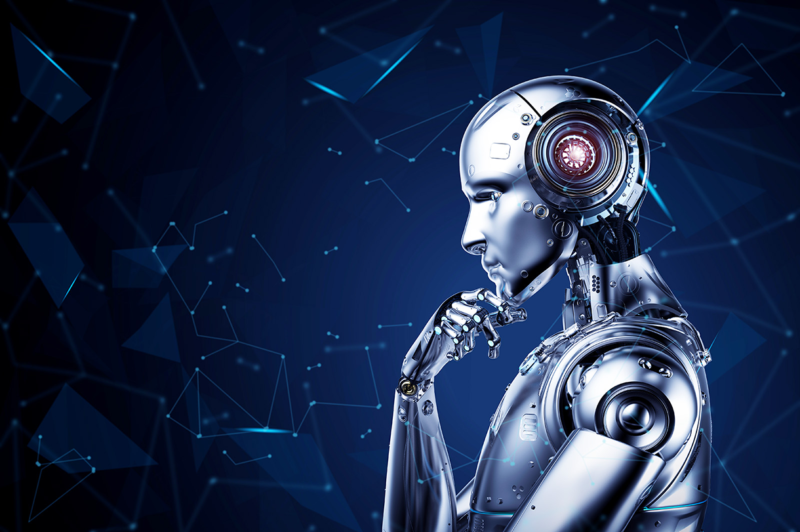
Artificial Intelligence (AI) is transforming industries, redefining the way we work, and reshaping societal structures. From automating tasks to analyzing vast amounts of data in seconds, the promise of AI is immense. Yet, with great power comes great responsibility. As AI becomes more integrated into our daily lives, the ethical implications surrounding its development, deployment, and usage become more complex. Balancing innovation and responsibility in AI is not just a technological challenge; it’s a moral imperative.
In this article, we will explore the key ethical concerns surrounding AI and the efforts being made to ensure that the benefits of AI are maximized while minimizing potential harms.
The Role of AI in Modern Society
Artificial Intelligence, once relegated to the realm of science fiction, has rapidly advanced into a reality that impacts everything from healthcare and finance to education and entertainment. AI’s ability to mimic human intelligence, learn from data, and make decisions has opened doors to new opportunities but has also raised questions about its role in society.
1. Automating Jobs and the Workforce
One of the most immediate ethical concerns of AI is its impact on employment. Automation powered by AI has the potential to displace millions of jobs, particularly in industries like manufacturing, transportation, and retail. While automation can lead to increased efficiency and lower operational costs, it also poses the risk of creating significant economic inequality. Workers who lack the skills to transition into new roles may be left behind, deepening the socioeconomic divide.
On the flip side, AI also creates new job opportunities in AI development, data science, and machine learning. The challenge lies in ensuring that the workforce can adapt to these changes through education and retraining programs.
Key takeaway: While AI brings innovation, it is crucial to balance job automation with efforts to reskill workers and prevent economic disparity.
2. Bias in AI Decision-Making
AI systems are only as good as the data they are trained on. When AI is fed biased or incomplete data, it can result in biased decision-making, perpetuating existing societal inequalities. For example, AI used in hiring processes can unfairly favor certain groups if the training data reflects historical biases in the workplace. Similarly, facial recognition technologies have been criticized for disproportionately misidentifying people of color, raising concerns about the technology’s fairness and reliability.
To address these issues, AI developers must prioritize creating algorithms that are transparent, fair, and unbiased. Ethical AI development means ensuring that the data used to train AI models is representative and free from biases that could lead to unfair or discriminatory outcomes.
Key takeaway: Bias in AI systems is a significant ethical challenge, and developers must prioritize fairness and transparency in AI design.
3. Privacy Concerns
AI-driven technologies often rely on vast amounts of personal data to function effectively. This raises concerns about data privacy and how individuals’ information is being used. AI systems can analyze personal data in ways that may intrude on privacy, from tracking online behavior to analyzing medical records. For instance, companies may use AI to predict consumer preferences or even personal characteristics based on data, leading to potential misuse of information for marketing or surveillance.
As governments worldwide introduce stricter data privacy regulations, such as the GDPR in Europe, the ethical responsibility of AI developers and companies is to ensure compliance while safeguarding user data. Striking the balance between leveraging data for innovation and respecting individuals’ right to privacy is a key ethical challenge.
Key takeaway: AI must be developed with robust data privacy protections to prevent misuse of personal information.
The Ethics of Autonomous Decision-Making
One of the most profound ethical dilemmas posed by AI is in the realm of autonomous decision-making. As AI systems are increasingly tasked with making decisions in critical areas such as healthcare, law enforcement, and transportation, the question arises: Who is responsible when AI makes a mistake or causes harm?
1. Autonomous Vehicles and Responsibility
Self-driving cars are one of the most prominent examples of AI systems that make autonomous decisions. While autonomous vehicles have the potential to reduce traffic accidents and improve road safety, ethical concerns arise when considering edge cases—situations where the AI must choose between two harmful outcomes. For instance, if an autonomous car is forced to choose between hitting a pedestrian or swerving and risking the lives of its passengers, how should the AI be programmed to decide?
This ethical dilemma, known as the “trolley problem,” highlights the complexities of programming AI with moral decision-making capabilities. Determining responsibility in these situations—whether it lies with the developers, manufacturers, or the AI itself—remains a topic of ongoing debate.
Key takeaway: Autonomous decision-making in AI systems raises complex ethical questions about responsibility and accountability.
2. AI in Healthcare
In healthcare, AI has the potential to revolutionize diagnosis, treatment planning, and patient care. However, ethical concerns arise when AI is used to make life-or-death decisions, such as recommending treatment options or diagnosing critical conditions. While AI systems can process vast amounts of medical data and identify patterns that might elude human doctors, they can also make mistakes due to incomplete data or faulty algorithms.
The question of accountability becomes even more pressing in healthcare. Should an AI system be held accountable for a misdiagnosis, or does the responsibility lie with the healthcare provider who relied on the AI’s recommendation?
Key takeaway: AI in healthcare presents ethical challenges around accountability, particularly in high-stakes situations where AI decisions can impact patient outcomes.
Surveillance, Control, and the Future of AI Ethics
AI’s ability to analyze vast amounts of data has also led to its use in surveillance, particularly by governments and law enforcement agencies. While AI can enhance public safety by identifying threats and preventing crime, it can also be used to violate individual rights, suppress dissent, and increase surveillance on marginalized communities.
1. AI and Surveillance
AI-driven surveillance systems, such as facial recognition and predictive policing, have become more widespread. However, the use of AI in surveillance raises significant ethical concerns regarding privacy, civil liberties, and human rights. In some countries, AI is used to track citizens’ movements, monitor social media activities, and even predict potential criminal behavior. This level of surveillance can be invasive, leading to the erosion of personal freedoms and the risk of state abuse.
Ethical AI development must prioritize safeguards that prevent the misuse of AI for mass surveillance while ensuring that its applications are transparent and accountable to the public.
Key takeaway: AI-driven surveillance poses ethical risks, and safeguards must be in place to protect privacy and civil liberties.
2. AI and Human Autonomy
As AI systems become more sophisticated, there is growing concern about the erosion of human autonomy. AI systems are increasingly being used to influence decision-making, from recommending products to suggesting political candidates. The ability of AI to nudge human behavior raises ethical concerns about manipulation and control, particularly in areas like marketing, politics, and social media.
For example, AI algorithms used by social media platforms are designed to maximize user engagement by showing content that aligns with users’ preferences. However, this can create echo chambers, where individuals are only exposed to information that reinforces their existing beliefs, limiting critical thinking and contributing to social polarization.
Key takeaway: AI’s influence on human behavior must be carefully managed to prevent manipulation and ensure that individuals retain autonomy over their decisions.
Ensuring Ethical AI Development
The responsibility for ethical AI development falls on a wide range of stakeholders, including AI developers, governments, businesses, and civil society. To ensure that AI is developed and used responsibly, several key principles must be upheld:
1. Transparency
AI systems must be transparent in their operations. This means that the processes by which AI makes decisions should be understandable and explainable. Black-box AI systems, where the decision-making process is opaque, can lead to ethical concerns, especially when AI is used in critical sectors like healthcare or criminal justice.
2. Accountability
AI systems must be accountable. When AI causes harm or makes an error, there must be mechanisms in place to hold the responsible parties accountable, whether it be the developers, users, or organizations deploying the AI.
3. Fairness
AI systems must be designed to be fair and unbiased. Developers must actively work to eliminate biases in AI algorithms and ensure that AI technologies are used to promote equity, rather than reinforce existing societal inequalities.
4. Privacy Protection
The collection and use of personal data by AI systems must be done with strict privacy protections in place. Individuals should have control over their data, and AI systems must comply with data privacy regulations to prevent misuse.
Conclusion: The Path Forward for Ethical AI
Balancing innovation and responsibility in AI is no easy task. As AI continues to evolve, the ethical challenges it presents will become even more complex. However, by prioritizing transparency, accountability, fairness, and privacy, we can ensure that AI is developed and used in ways that benefit society while minimizing potential harms.
In the end, the ethics of AI are not just about the technology itself but about the kind of society we want to build. By engaging in thoughtful discussions and implementing robust ethical frameworks, we can harness the power of AI for the greater good while safeguarding the rights and well-being of individuals.