The Environmental Impact of Microplastics on Marine Life

Ryan Pierce
November 14, 2024
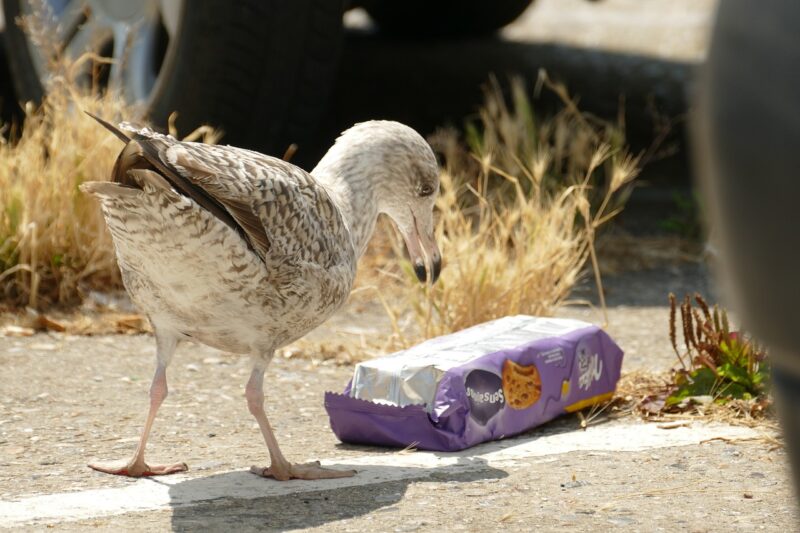
Microplastics have emerged as one of the most pervasive forms of pollution, affecting ecosystems across the globe. These tiny plastic particles, less than 5mm in diameter, originate from a variety of sources including the breakdown of larger plastic debris, synthetic fibers, and the microbeads in personal care products. As they infiltrate oceans and waterways, microplastics pose a serious threat to marine life, ecosystems, and, ultimately, human health.
1. Understanding Microplastics: What Are They?
Microplastics can be classified into two main categories: primary microplastics and secondary microplastics.
- Primary Microplastics: These are intentionally manufactured small plastic particles used in products like cosmetics, toothpaste, and industrial abrasives. They enter aquatic environments directly through wastewater treatment plants that are unable to filter out these microscopic pollutants.
- Secondary Microplastics: These are formed from the degradation of larger plastic items, such as bottles, bags, and fishing nets. Over time, exposure to sunlight, waves, and microbial action breaks down these plastics into smaller pieces, contributing significantly to marine pollution.
Researchers estimate that approximately 4.8 to 12.7 million tons of plastic waste enter the oceans each year. Once in marine environments, microplastics can accumulate and persist for decades, leading to harmful outcomes for marine life.
2. The Journey of Microplastics in Marine Environments
Microplastics infiltrate marine ecosystems in multiple ways:
- River Runoff: Rivers and streams act as conduits, carrying microplastics from urban areas and landfills directly into oceans. Heavy rainfall can exacerbate this problem, resulting in increased runoff and contamination of marine habitats.
- Atmospheric Deposition: Microplastics can also be transported through the air. Studies have shown that airborne microplastic fibers can settle in water bodies far from their source, creating a widespread issue that is difficult to track.
- Fishing Activities: Fishing gear, especially nets and line, often break down into microplastics, further contaminating marine systems. Lost or discarded fishing gear is a substantial source of microplastic pollution, affecting marine species and habitats.
These small particles eventually settle in the sediment of oceans and seabeds, but their journey doesn’t stop there. Organisms of all sizes, from zooplankton to large fish, often mistake microplastics for food, inadvertently ingesting them and entangling marine ecosystems in a persistent cycle of pollution.
3. Impact on Marine Life
The ingestion of microplastics by marine organisms can have serious consequences:
- Chemical Contaminants: Microplastics can attract and accumulate toxic substances from the surrounding environment, including pesticides, heavy metals, and persistent organic pollutants (POPs). When consumed, these toxins can transfer to marine animals, disrupting hormonal functions and causing health issues such as reproductive failure and developmental abnormalities.
- Physical Harm: The ingestion of microplastics can lead to physical obstruction within the digestive systems of marine animals, resulting in malnutrition, starvation, and even death. Species like seabirds, turtles, and fish are especially vulnerable to these risks.
- Bioaccumulation: As microplastics move up the food chain, they continue to accumulate in larger predators. This bioaccumulation can threaten the health of predator species, including commercially important fish and marine mammals, with possible economic impacts on fisheries and tourism.
- Disruption of Ecosystem Dynamics: Microplastics can alter food web dynamics, affecting species interactions and the overall productivity of marine systems. For example, changes in the population of key species can ripple through the ecosystem, impacting biodiversity and habitat health.
The consequences of microplastic pollution ripple through marine environments, affecting species survival and ecosystem integrity.
4. Emerging Research on Microplastics
Scientific research on microplastics is rapidly evolving as the issue gains global attention. Recent studies have focused on:
- Toxicological Effects: Researchers are examining how microplastics affect the physiology and behavior of marine organisms, exploring the potential long-term effects that may not yet be fully understood.
- Habitat Impacts: Studies are analyzing how microplastics affect the structure and function of marine habitats, such as coral reefs and seagrass beds, which are fundamental to marine biodiversity and resilience.
- Policy and Mitigation Strategies: Ongoing research also emphasizes the need for effective policies to mitigate plastic pollution, encouraging innovations in waste management, recycling, and the development of biodegradable alternatives to conventional plastics.
As scientists continue to uncover the implications of microplastics, collaboration among researchers, policymakers, and the public is essential in forming solutions and raising awareness about this critical issue.
5. What Can Be Done? Mitigation Strategies
Combating the environmental impact of microplastics on marine life requires a multi-faceted approach:
- Reduce Plastic Production: Limiting the production of new plastics is crucial. Policies that promote the use of alternatives and encourage manufacturers to develop sustainable materials can significantly reduce plastic waste entering waterways.
- Improve Waste Management: Strengthening waste management systems, including recycling, composting, and proper disposal can significantly reduce the amount of plastic waste that reaches the ocean. This also includes public education and awareness campaigns to promote responsible consumer behavior.
- Cleanup Initiatives: Participating in beach cleanups and community awareness initiatives can help remove plastic waste from the environment. Organizations worldwide are mobilizing to remove plastics and microplastics from marine ecosystems.
- Legislation and Regulation: Enforcing stricter regulations on plastic usage and implementing bans on single-use plastics can drive a significant change in consumer habits and reduce pollution.
Promoting collective action among individuals, communities, and governments is essential in effectively tackling the complexities of plastic pollution and its impact on marine life.
Conclusion
The impact of microplastics on marine life is a pressing environmental issue that requires immediate action. Through concerted efforts, research advancements, and robust policy initiatives, we can work towards reducing plastic pollution and its detrimental effects on our oceans and marine ecosystems. As we strive towards a sustainable future, awareness and education about microplastic pollution must remain at the forefront of our environmental efforts. Only then can we hope to restore the health of our oceans and the diverse life they harbor.