The Disappearance of Ancient Chinese Cities Buried Under Sand

Emily Carter
November 15, 2024
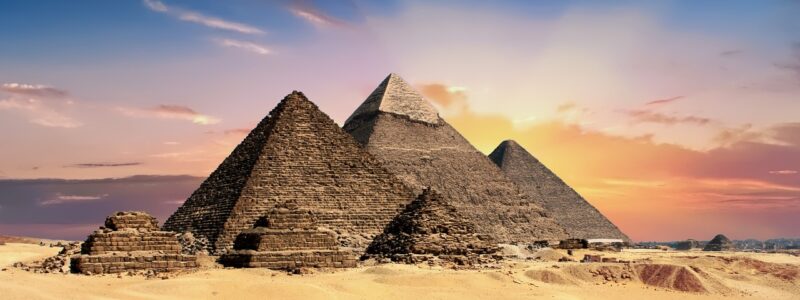
The vast deserts of China hold secrets of civilization long past—ancient cities that have become mere shadows of their former selves, buried under relentless sands. These forgotten places tell a story not just of human ambition but also the fickleness of nature and the relentless march of time. In this article, we will explore the historical backdrop of these ancient sites, delve into the methods used to unearth them, discuss their cultural significance, and ponder what their disappearance means for modern civilization.
1. A Brief Historical Context
Ancient Chinese civilization is one of the world’s oldest, boasting a rich tapestry of dynasties, philosophies, and innovations. However, the great expanses of desert have always been a formidable challenge to habitation. The Taklamakan Desert, known for its shifting sands and extreme temperatures, once witnessed the rise and fall of vibrant oases and trade cities along the famous Silk Road.
Cities like Loulan (or Kroraina) and the ancient city of Jiaohe thrived around 2000 years ago. They became important hubs for trade, connecting China with Persia, the Mediterranean, and beyond. With the advent of more modern trade routes and shifting priorities, these cities were gradually abandoned, often overtaken by natural forces.
2. The Cultural Significance of the Buried Cities
These ancient cities were not just physical locations; they were the very essence of cultural interchange. Artifacts recovered from these sites tell of a mingling of cultures—Buddhism from India, Sogdian trade influences, and local craftsmanship interweaved into the fabric of daily life.
In Loulan, archeologists discovered well-preserved mummies with distinctly Western features—evidence of the diverse populace that once inhabited this oasis. The discovery of textile fragments, pottery, and coins illustrates a flourishing economy that thrived on trading goods between East and West, and serves as a testament to humanity’s quest for connection and understanding across vast distances.
3. The Techniques of Excavation and Rediscovery
In the harsh environments of the deserts, the methods of excavation require ingenuity and patience. Modern archaeologists utilize a combination of ground-penetrating radar, remote sensing, and traditional digging techniques to uncover these lost treasures.
– **Ground-Penetrating Radar:** This technology allows researchers to create maps of the subsurface without excavation. By analyzing the reflected radar signals, archaeologists can identify potential sites of interest and target their efforts effectively.
– **Remote Sensing:** Satellites and aerial reconnaissance help in spotting changes in vegetation patterns that may indicate structures and human activity beneath the sands.
– **Traditional Excavation:** Once potential sites are identified, careful excavations begin. In Loulan, excavations have revealed not just structures, but intricate burial sites that speak of a complex burial ritual, offering insights into the spiritual lives of the ancient inhabitants.
4. The Case Study of the Ancient City of Loulan
Loulan is perhaps the most fascinating case in the study of these buried cities. Located on the northern edge of the Taklamakan Desert, its discovery in the early 20th century opened a new chapter in understanding ancient civilizations along the Silk Road.
Excavations unveiled a city that was once bustling with activity: street layouts, public buildings, and housing structures were meticulously examined. Among the most striking discoveries were the well-preserved remains of a female mummy—the “Loulan Beauty”—remarkably intact despite centuries of desolation. The presence of her elaborate burial goods, including silk and cosmetics, hints at a rich cultural life that had long vanished.
Loulan’s eventual desertification is tied to climate changes as well as shifts in river courses—an example of how natural forces can alter human destinies. The changing climate of Central Asia over millennia demonstrates how civilizations can rise and fall in the face of environmental challenges.
5. The Environmental Impact and Lessons Learned
The story of these ancient cities offers poignant lessons about the relationship between humanity and the environment. The ecological changes that led to Loulan and similar cities’ demise resonate with modern challenges—urbanization, climate change, and the sustainability of resources.
Understanding these ancient narratives provides insights into how societies have historically adapted (or failed to adapt) to their environments. The need for sustainable practices is more critical than ever, and the lessons from these forgotten cities should resonate with contemporary society in our quest for balance with nature.
6. Conclusion: The Endless Cycle of Creation and Abandonment
The ancient cities buried under the sands of China paint a vivid picture of human resilience and ambition, but also of vulnerability to the forces of nature. As we uncover their stories with tools of modern technology, there is an imperative to reflect on the fragility of civilization. The cycles of creation and abandonment tell us that no matter how grand our achievements, we are all ultimately subject to the passage of time and the changing tides of the environment.
By cherishing what remains of these historical sites and learning from their stories, we can honor our past and pave a more sustainable path for our future.