The Amazing Diversity of Ocean Life: From Coral Reefs to Deep-Sea Ecosystems

Ryan Pierce
November 14, 2024
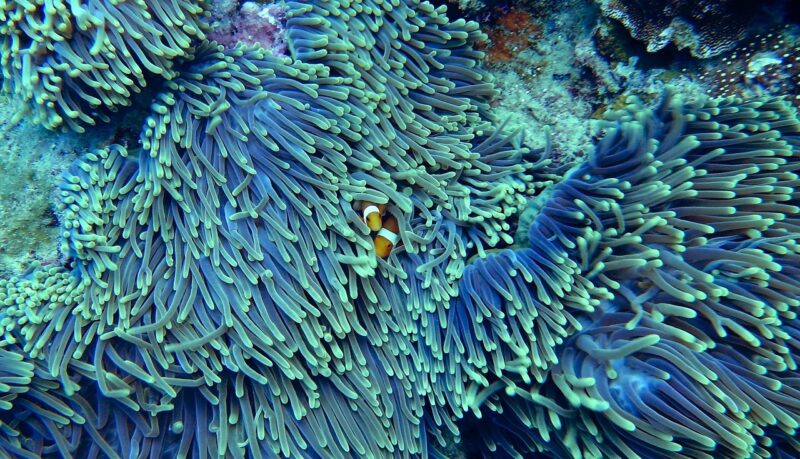
The ocean covers more than 70% of our planet’s surface, serving as a home to an incredible variety of life forms. From vibrant coral reefs teeming with colorful fish to mysterious deep-sea ecosystems that host bizarre creatures, the diversity of ocean life is unparalleled. Understanding this biodiversity is crucial, not only for conserving marine habitats but also for appreciating the profound beauty and complexity of life on Earth.
1. The Importance of Biodiversity in Oceans
The term biodiversity refers to the variety and variability of life forms on Earth. In oceans, biodiversity encompasses the range of species, genetic variations, and ecosystems. Healthy marine ecosystems are vital for maintaining ecological balance, supporting fisheries, tourism, and even regulating our climate.
The benefits of marine biodiversity include:
– Ecological Stability: Diverse ecosystems are more resilient to changes such as climate shifts and pollution.
– Economic Value: A healthy ocean contributes to industries like fishing, tourism, and pharmaceuticals.
– Climate Regulation: Oceans play a key role in carbon sequestration, helping to mitigate global warming.
However, human activities are threatening this biodiversity through overfishing, pollution, and habitat destruction. Conservation efforts are essential to preserving the incredible diversity of life that our oceans support.
2. Coral Reefs: The Rainforests of the Sea
Coral reefs are often dubbed the “rainforests of the sea” due to their remarkable diversity. These vibrant ecosystems are formed by coral polyps, which are small, soft-bodied organisms that build hard skeletons and form colonies.
Key features of coral reefs include:
– High Biodiversity: Coral reefs are home to roughly 25% of all marine species, despite covering only about 1% of the ocean floor. They provide habitats for thousands of fish species, invertebrates, and other marine organisms.
– Complex Structures: The three-dimensional structures created by coral provide shelter and breeding grounds for many species.
– Ecosystem Services: Coral reefs offer protection against storm surges, coastal erosion, and contribute to local economies through tourism and fishing activities.
However, coral reefs face significant threats from climate change, leading to coral bleaching, ocean acidification, and pollution. Protecting these ecosystems is crucial for maintaining marine biodiversity.
3. The Wonders of Deep-Sea Ecosystems
Moving away from the sunlit shallows, the deep sea represents an enigmatic world with unique adaptations and life forms. Deep-sea ecosystems, often defined as habitats below 200 meters, host species that thrive in extreme conditions of pressure, temperature, and darkness.
Interesting characteristics of deep-sea life include:
– Bioluminescence: Many deep-sea creatures, such as the anglerfish and jellyfish, possess bioluminescent organs that produce light, helping them attract prey or communicate with one another.
– Extreme Adaptations: Organisms like the giant squid and the gulper eel have evolved unique traits to survive in their challenging environment, such as large eyes for better vision in low light, and specialized jaws to consume prey larger than themselves.
– Hydrothermal Vents: These underwater geysers bring nutrients and energy to the deep-sea food web, supporting unique communities like tube worms and extremophiles that thrive in extreme temperatures.
The deep sea remains one of the least explored ecosystems on Earth, and ongoing scientific research is unveiling its wonders. However, new mining technologies and climate change threaten these fragile habitats.
4. The Role of Marine Species in Ecosystems
Different marine species occupy specific roles in their ecosystems, contributing to the overall health and functioning of these environments.
Key roles include:
– Producers: Phytoplankton, the microscopic plants of the ocean, produce oxygen and serve as the base of the marine food web.
– Consumers: Animals ranging from small fish to large whales rely on each other for survival, with each species playing a crucial part in the food chain.
– Decomposers: Organisms like sea cucumbers and certain bacteria break down dead organic matter, recycling nutrients back into the ecosystem.
The interconnectedness of marine species highlights the importance of protecting each role to maintain ecological balance.
5. Human Impact on Marine Biodiversity
While the ocean is a vital resource for humanity, our actions are drastically affecting its health. Key threats include:
– Overfishing: Unsustainable fishing practices lead to population declines in various fish species, disrupting food webs and ecosystems.
– Pollution: Plastics, chemicals, and oil spills are wreaking havoc on marine life, causing entanglement, ingestion, and disease.
– Climate Change: Rising temperatures lead to coral bleaching, altering habitats and affecting species distributions.
To mitigate these impacts, international collaboration and policy changes are essential. Conservation strategies such as marine protected areas, sustainable fishing practices, and climate change mitigation efforts can preserve the incredible diversity of ocean life.
6. The Future of Ocean Biodiversity
As we move forward, the future of ocean biodiversity relies on our willingness to act responsibly and sustainably. Through conservation efforts, research, and awareness, we can protect these vital ecosystems.
Steps to take for ocean conservation include:
– Supporting marine conservation organizations and initiatives.
– Reducing plastic use and advocating for cleaner oceans.
– Promoting sustainable seafood choices to reduce overfishing.
By taking these actions, we can help to ensure that future generations will inherit a thriving, diverse ocean filled with life.
Conclusion
The diversity of ocean life is a testament to the resilience and adaptability of nature. From the colorful coral reefs to the mysterious depths of the ocean, the intricate web of life found in marine environments is crucial for the health of our planet. By understanding the importance of marine biodiversity and taking steps to protect it, we can ensure that our oceans remain vibrant and full of life for generations to come.
As stewards of this planet, it is our responsibility to protect the incredible diversity of ocean life. Whether through personal actions, community initiatives, or supporting global efforts, every step counts in the fight to preserve the oceans that give us so much. Let’s dive deep into ocean conservation and champion the myriad creatures that inhabit our world’s waters.