The 10 Most Bizarre Medieval Punishments You Won’t Believe Existed

Oliver Sutton
November 14, 2024
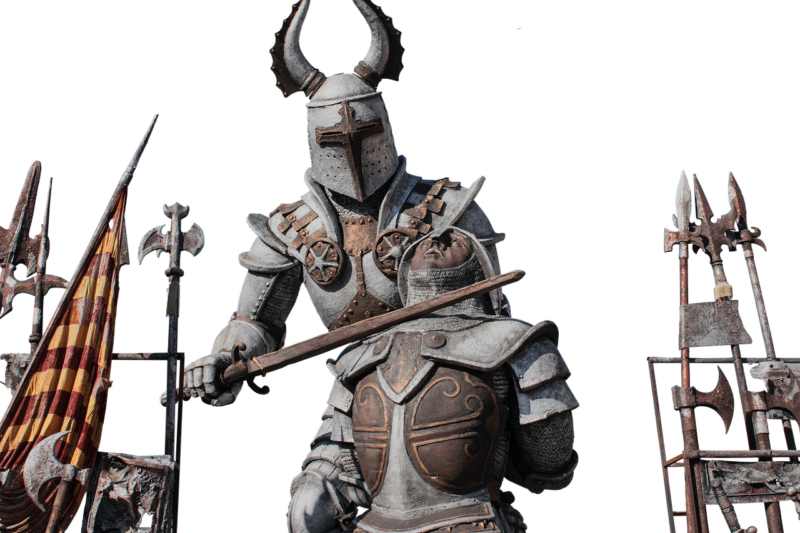
The medieval era, spanning from the 5th to the late 15th century, is often remembered for its brutality, superstitions, and peculiarities. Among these, the punishments meted out for crimes can be particularly shocking, as they reveal a harsh justice system operating under different norms and understandings of human rights.
In this piece, we explore ten of the most bizarre medieval punishments that illustrate just how daunting and cruel justice could be in those times. Prepare to be both horrified and intrigued as we delve into this gruesome history.
1. The Brazen Bull
The Brazen Bull was a horrific creation attributed to Perillos of Athens, designed for the tyrant Phalaris of Akragas. This life-sized bronze statue was built in the shape of a bull and utilized for executing victims. The condemned would be placed inside the hollow bull, and a fire would be set underneath it, heating the metal until the victim roasted alive. The screams of the person inside were believed to sound like the bellowing of a bull, adding a chilling layer to this monstrosity.
2. Rat Torture
Rat torture was a nightmarish punishment that involved placing a container filled with rats onto a victim’s abdomen and then heating it. The rats, seeking escape from the heat, would drill into the victim’s flesh, creating a gruesome scene of suffering. This method was particularly popular in medieval Europe, showing a gruesome blend of cruelty and ingenuity.
The Pillory
Being placed in the pillory was a common public punishment for various misdemeanors. The victim’s head and hands would be locked in a wooden frame, leaving them vulnerable to public ridicule, verbal abuse, and even physical assault by onlookers. This form of punishment served as both a consequence for the crime and a warning to others, as the affected individual endured public humiliation.
Hanged, Drawn, and Quartered
Reserved for the most severe crimes, particularly treason, the punishment of being hanged, drawn, and quartered was both brutal and drawn out. Victims were hung by the neck, but not until death. They would then be disemboweled (drawn) while still alive, before being beheaded and finally cut into four pieces (quartered). This savage method of execution was intended not only to punish but to terrify the populace.
Scaphism
Scaphism, or “the boats,” is one of the most agonizing execution methods. The victim was trapped between two boats or hollowed-out tree trunks so that they could not move. They were then force-fed milk and honey, leading to excretion that attracted insects. The victim would suffer from extreme exposure to the sun, insects, and their own vomit until death ultimately came, resulting in a prolonged and torturous end.
Keelhauling
Keelhauling was a nautical punishment commonly employed in the pirate days but had roots in earlier naval traditions. The victim would be tied to a rope and dragged under the ship’s keel. This punishment was not only fatal due to potential drowning but also resulted in severe injuries from barnacles on the hull, making it a terrifying ordeal for those facing it.
Flaying Alive
Flaying was a gruesome procedure where layers of skin would be removed from the victim’s body while they were still alive. This horrific punishment was often employed to display the barbarity of the state on those who committed high crimes, leaving a message to others contemplating similar actions.
The Iron Maiden
The Iron Maiden is a legendary torture device shaped like a female figure with sharp spikes on the inside. When closed, the spikes would pierce the victim’s body, resulting in a slow and painful death. Although its actual existence in medieval times is debated, it symbolizes the type of cruel punishment that could be inflicted during the era.
The Heretic’s Fork
The Heretic’s Fork was a medieval torture device made of two sharp metal forks attached to a central shaft. The forked ends were placed between the sternum and the breastbone, with the other end stuck against the throat. This highly painful device would prevent the victim from sleeping, as even the slightest movement resulted in excruciating pain. It was a method used for extracting confessions from those accused of heresy.
Conclusion
The medieval justice system was characterized by its relentless severity and inventive methods of torture and punishment. The bizarre punishments outlined above depict not only the dark side of human nature but also serve as a reminder of how far we have come regarding justice and human rights. While these methods seem inconceivable today, they were once accepted practices in societies governed by fear and brute force. As we reflect on this grim history, we can better appreciate the importance of compassion, due process, and humane treatment in our legal systems today.