Real Madrid Football Club: History, Achievements, and Legacy in World Soccer

Jack Avery
October 15, 2024
Real Madrid Football Club, often referred to simply as Real Madrid, is synonymous with soccer excellence, boasting an unparalleled legacy in both Spanish and global football. Founded in 1902, Real Madrid has become one of the most successful and influential sports clubs worldwide. This article delves into the club’s rich history, its dominance in both domestic and international competitions, and the impact it has made on the sports industry and popular culture.
Introduction to Real Madrid Football Club
Real Madrid was established in Madrid, Spain, on March 6, 1902, by a group of soccer enthusiasts who shared a passion for the sport. Initially named Madrid Football Club, the team was later granted the title “Real” (meaning “Royal” in Spanish) by King Alfonso XIII in 1920, along with the crown emblem that now adorns the club’s crest.
As one of the most successful clubs in the world, Real Madrid has achieved a remarkable standing, dominating both Spanish and European soccer. Its commitment to excellence has earned it numerous trophies and a loyal fan base that spans the globe.
Early History and Founding Years
Real Madrid’s roots date back to the early 20th century when it began competing in regional tournaments. The club’s first major achievement came in 1905, when it won the Copa del Rey, Spain’s primary domestic cup competition. This victory laid the foundation for what would become a storied history of triumphs.
Over the following decades, Real Madrid steadily built a reputation as one of the top teams in Spain. The club’s early successes were marked by a commitment to developing homegrown talent and fostering a unique playing style that prioritized skill and finesse.
Real Madrid’s Dominance in Spanish Soccer
Real Madrid has won an impressive 35 La Liga titles and 19 Copa del Rey trophies, making it one of the most decorated clubs in Spanish soccer. Its fierce rivalry with FC Barcelona, known as El Clásico, is one of the most anticipated and watched sporting events worldwide. These matches are more than just games; they are cultural events, embodying the passion and pride of Spanish soccer.
The club’s consistency in domestic competitions is a testament to its strong organizational structure and ability to attract top talent. With iconic players and legendary managers, Real Madrid has consistently maintained its position as a top contender in La Liga.
European Conquests: Champions League Legacy
Real Madrid’s success is not limited to Spain; it has also made an indelible mark on European soccer. The club holds the record for the most UEFA Champions League titles, with 14 trophies to its name. This legacy began with Real Madrid’s five consecutive Champions League victories from 1956 to 1960, a feat that remains unmatched to this day.
The club’s Champions League triumphs are a testament to its resilience and ability to perform on the biggest stage. From thrilling comebacks to dominant performances, Real Madrid’s European campaigns have produced countless memorable moments that have captivated fans around the world.
Legendary Players and Managers
Real Madrid’s success can be attributed in large part to the world-class players and managers who have donned its colors over the years. Legends like Alfredo Di Stéfano, who played a pivotal role in the club’s early European success, and Cristiano Ronaldo, who led Real Madrid to four Champions League titles, have left an indelible mark on the club’s history.
The club has also been home to some of the game’s greatest managers, including Zinedine Zidane, who guided Real Madrid to three consecutive Champions League titles from 2016 to 2018. These players and managers have not only contributed to the club’s success but have also helped to shape the modern game.
The Santiago Bernabéu: A Legendary Stadium
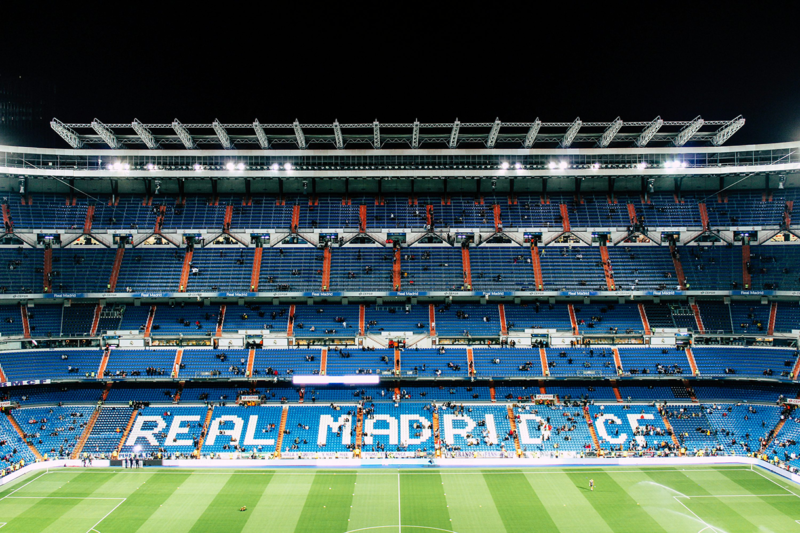
The Santiago Bernabéu Stadium, named after former club president Santiago Bernabéu, has been Real Madrid’s home since 1947. Located in the heart of Madrid, the stadium has a capacity of over 80,000 and is considered one of the most iconic venues in world soccer.
The Bernabéu has witnessed countless historic moments, from dramatic victories to heartbreaking losses. It is a place where dreams are realized and legends are made, and it holds a special place in the hearts of Real Madrid fans.
Real Madrid’s Cultural Impact and Fan Base
Real Madrid’s influence extends far beyond the soccer pitch. The club has a massive global fan base, with supporters in every corner of the world. The “Madridista” culture is characterized by passion, loyalty, and a deep connection to the club’s values and traditions.
Real Madrid’s success has also made it a cultural icon, with the club featuring prominently in films, music, and fashion. Its impact on popular culture is a testament to its status as one of the world’s most recognizable sports brands.
Financial Power and Influence
As one of the wealthiest soccer clubs in the world, Real Madrid boasts an impressive financial portfolio. The club’s revenue streams include matchday earnings, broadcasting rights, sponsorships, and merchandising. With lucrative deals with brands like Adidas and Emirates, Real Madrid’s financial success allows it to invest in top talent and maintain its competitive edge.
The club’s financial strength also extends to its influence in the sports industry, where it is a leader in innovation and commercial strategy. Real Madrid’s ability to adapt to the changing landscape of soccer ensures that it remains a powerful force on and off the field.
Challenges and Future Prospects
Despite its success, Real Madrid faces challenges in maintaining its dominance. The club must navigate the complexities of player contracts, financial fair play regulations, and the evolving demands of modern soccer. Recent seasons have seen Real Madrid invest in emerging talent, signaling a focus on building a new generation of stars.
Looking ahead, Real Madrid aims to continue its tradition of excellence while embracing new technologies and strategies to stay competitive. The club’s commitment to innovation and development ensures that it will remain a formidable force in world soccer for years to come.
Conclusion: Real Madrid’s Legacy in World Soccer
Real Madrid Football Club has earned its place as one of the most iconic and successful teams in soccer history. With a rich heritage, a global fan base, and an enduring legacy, Real Madrid continues to captivate fans and inspire future generations. As the club looks to the future, its commitment to excellence and passion for the game will ensure that it remains at the pinnacle of world soccer.