Panda Breeding Seasons: How Pandas Find Mates and Raise Cubs

Olivia Barrett
November 15, 2024
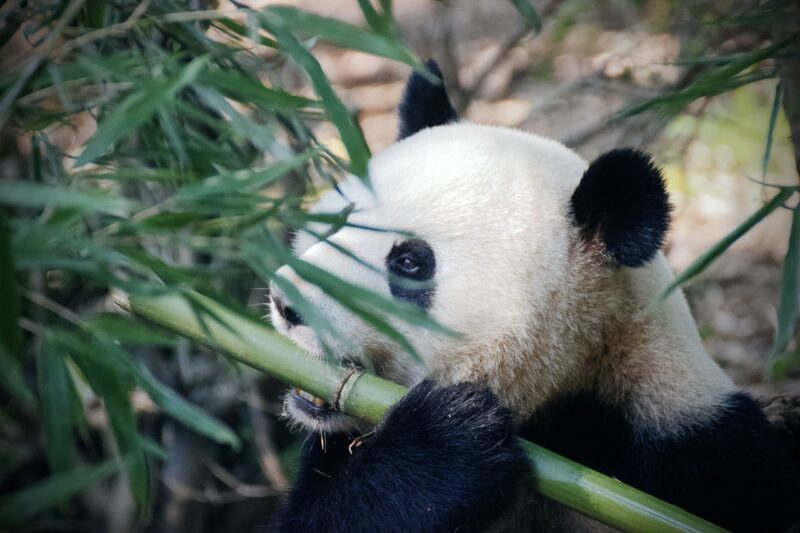
The giant panda, renowned for its distinct black-and-white fur and playful demeanor, captivates our attention not just with its physical charm but also through its fascinating reproductive habits. As one of Earth’s most endangered species, understanding the breeding patterns of pandas is crucial for conservation efforts.
In this comprehensive article, we will explore the intricacies of panda breeding seasons, how these gentle giants find mates, and the challenges they face while raising their young. Join us on this journey into the hidden world of panda procreation and cub-rearing!
1. The Breeding Season of Pandas: Timing is Everything
The breeding season for giant pandas typically occurs from March to May each year. During this time, female pandas experience a period of fertility that lasts only 24 to 72 hours, making it crucial for potential mates to time their encounters perfectly.
During the breeding season, the female panda emits pheromones, a chemical signal that attracts males from miles away. These scents are the pandas’ way of communicating their reproductive status and yearning for companionship. Once a female panda signals her readiness, the males compete for her attention, showcasing their strength and agility. Mating can last several times during this fertile window, increasing the chances of conception.
2. A Unique Courtship Ritual
Pandas engage in a unique courtship ritual, which can be both gentle and playful. The courtship process typically begins with a series of vocalizations, including bleats, honks, and growls, allowing potential mates to communicate their intentions.
Females may lead males on a chase, and during this playful behavior, they engage in gentle nuzzling and nudging. This courtship dance helps the partners bond and ensures they’re compatible before mating.
Interestingly, male pandas have a distinctive mating strategy. They are known to be opportunistic breeders, seeking multiple partners. This polyandrous behavior increases genetic diversity among cubs, promoting a healthier panda population overall.
3. The Gestation Period: A Time of Anticipation
Following successful mating, a female panda undergoes a gestation period that typically lasts around 95 to 160 days. However, the exact length can vary, as female pandas possess a unique ability called delayed implantation. This means that the fertilized egg may not implant in the uterus immediately, allowing the female to regulate the timing of her pregnancy based on environmental factors such as food availability.
Once the embryo implants, the panda eagerly awaits the arrival of her cubs. The ideal conditions for a successful birth often require a secure, cozy den to provide shelter and safety for the newborns.
4. The Miracle of Birth: Welcoming New Life
When the long-awaited moment arrives, female pandas typically give birth to one or two cubs, though the number can vary. However, in the wild, it’s common to see a mother raise only one cub successfully.
The newborn cubs are incredibly vulnerable, weighing just around 100 grams (3.5 ounces) at birth. Their initial development is rapid—covered in fine, pale fur and entirely dependent on their mother for nourishment and warmth. The contrast of their small size against their mother’s robust frame highlights the fragility of panda life.
After their birth, the mother panda dedicates her efforts to nursing and nurturing her cubs. Cubs are born blind and remain entirely dependent on their mother until they are capable of moving around on their own.
5. Raising Cubs: Challenges and Triumphs
Raising panda cubs is a challenging yet rewarding process. The mother must ensure that her cubs are nourished and protected from potential threats in their environment. Cubs rely on their mother’s milk for several months, and during this time, they experience significant growth and development.
As they mature, the cubs begin to explore their surroundings. At four to five months, cubs start to crawl and eventually climb trees. This ability is crucial for their safety, as many predators may pose a threat.
Throughout the early stages of their life, the cubs communicate through a series of vocalizations, signaling their needs and emotions. Mothers respond with comfort and care, ensuring a strong bond forms between them, which is essential for the cubs’ development.
With a strong maternal presence, cubs can thrive. The mother often restructures her schedule to provide constant care, ensuring the cubs are fed and protected. In the wild, it is usually the mother who teaches the cubs vital survival skills—such as foraging and climbing—necessary for their eventual independence.
6. The Importance of Conservation Efforts
As pandas continue to face threats from habitat loss and human encroachment, understanding their breeding habits is more important than ever. Conservation organizations worldwide are focused on creating protected habitats and facilitating breeding programs to support the bamboo-loving giants.
These initiatives aim to increase the chances of successful breeding in the wild by providing pandas with ample resources and safe environments to reproduce. Innovative strategies, such as artificial insemination and breeding centers, are essential tools in the conservation toolkit, allowing for better management of genetic diversity and enhancing breeding success.
While progress is being made, it’s crucial to encourage public awareness and involvement in panda conservation efforts. Every participant in these initiatives plays a role in safeguarding the future of this beloved species.
Conclusion: The Journey of Pandas Continues
The intricate processes of panda mating, gestation, birth, and cub-rearing are truly remarkable. These gentle creatures have a unique breeding cycle and demonstrate incredible parental care. By understanding their reproduction and addressing the threats they face, we can work toward a future where giant pandas thrive both in the wild and in captivity.
With continued conservation efforts, education, and a commitment to preserving their habitats, we can ensure that the captivating story of pandas and their cubs continues—one breeding season at a time.