How Waterfalls Form: The Geology Behind These Stunning Natural Wonders

Ryan Pierce
November 14, 2024
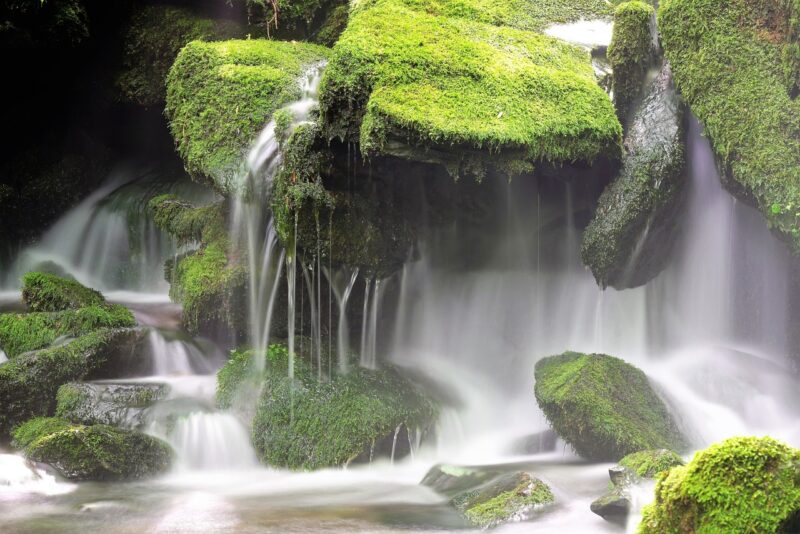
Waterfalls are among nature’s most enchanting and breathtaking wonders. They have captured the imagination of travelers and geologists alike, serving not only as beautiful destinations but also as showcases of geological processes at work. In this article, we will dive into the fascinating formation of waterfalls, the processes that lead to their creation, and the role they play in the ecosystem.
1. The Basics of Waterfalls: What Are They?
A waterfall is defined as a place where water flows over a vertical drop or cliff, creating a natural spectacle. These features can be found in a variety of landscapes, ranging from towering mountain ranges to expansive plains. Some of the world’s most famous waterfalls include Niagara Falls, Victoria Falls, and Angel Falls, each showcasing unique beauty and geological characteristics.
Waterfalls can vary in size and shape, and they can also differ in the types of rock and water flow that define them. They often serve as indicators of the geological processes that have shaped the land over millions of years.
2. The Geological Process of Waterfall Formation
The formation of waterfalls is primarily driven by river erosion, geological activity, and rock types. Here are a few steps involved in the process:
Step 1: Erosion and River Flow
Waterfalls usually originate at the heads of rivers. As the water flows, it erodes the landscape through a process called hydraulic action. This involves the force of moving water wearing away rocks, developing natural depressions, and carving out gullies.
Step 2: Different Rock Layers
Many waterfalls form where there are bands of hard and soft rock. The soft rock erodes faster than the hard rock, leading to a vertical drop. The Waikato River in New Zealand, for example, creates the natural barrier of the Huka Falls by flowing over a series of different rock types.
Step 3: Geological Uplift and Tectonic Activity
Geological uplift, which occurs from tectonic activity, can create steep terrains ideal for waterfall formation. As mountains rise, rivers may initially flow across the landscape but eventually cascade down these new elevations, enhancing the dramatic drop that defines a waterfall.
Step 4: Continued Erosion and Retreat
Once formed, waterfalls continue to erode the rock face over which they plunge. This causes the waterfall to ‘retrogress’ or retreat upstream over time, moving away from its original position. The dramatic plunge and the surrounding landscape can change slowly, highlighting the dynamic nature of our planet.
3. Types of Waterfalls
Waterfalls can be categorized into several types based on their structure and formation process. Here are a few common classifications:
- Plunge Waterfalls: These waterfalls fall vertically and usually don’t touch the rocks below. A prime example is Angel Falls in Venezuela, which drops over 3,200 feet.
- Cascade Waterfalls: This type features a series of small drops, creating a staircase effect. The Yosemite Falls in California is a well-known cascade waterfall.
- Tiered Waterfalls: These consist of multiple drops, with each tier creating its own unique cascade. The most vivid example would be Iguazu Falls, located on the border of Brazil and Argentina.
- Block Waterfalls: These waterfalls drop over a ledge of uniform width, such as the Bridalveil Fall in Yosemite National Park.
4. The Ecological Role of Waterfalls
Waterfalls play a crucial role in the ecosystems surrounding them. They create unique habitats and contribute to biodiversity. The constant moisture generated by the waterfall creates a microclimate that supports flora and fauna adapted to high humidity.
Additionally, waterfalls can influence the geological landscape by maintaining river health through sediment transport while promoting nutrient cycling.
Sediment Transport
Waterfalls act as natural sediment filters, breaking down minerals and transporting essential nutrients downstream. This process contributes to the overall health of the river ecosystem.
Biodiversity Hotspots
The unique conditions waterfalls create can lead to rich ecosystems, housing species not found elsewhere. The mist and spray from a waterfall can also nurture various plant species, while the splashing water creates habitats for aquatic organisms.
5. Famous Waterfalls Around the World
Waterfalls can be found on every continent. Here are some notable examples:
- Niagara Falls, USA/Canada: One of the most famous waterfalls, known for its enormous volume and beauty.
- Victoria Falls, Zambia/Zimbabwe: The largest waterfall by width, creating a spectacular view.
- Angel Falls, Venezuela: The world’s highest uninterrupted waterfall.
- Iguazu Falls, Brazil/Argentina: A massive waterfall system composed of around 275 individual drops.
Each of these waterfalls offers visitors breathtaking views and provides insight into the power of natural forces.
Conclusion
The geological wonders of waterfalls are products of intricate processes that reflect the earth’s dynamic nature. They are more than just beautiful sites; they represent significant geological activity, support diverse ecosystems, and provide a glimpse into our planet’s history. Understanding how waterfalls form enhances our appreciation for these majestic features and their role in maintaining ecological balance. Whether you are an adventure seeker or a nature enthusiast, waterfalls continue to captivate and inspire countless individuals around the world.