How Urban Planners Are Using Smart Traffic Lights to Reduce Congestion

Lucas Grant
November 12, 2024
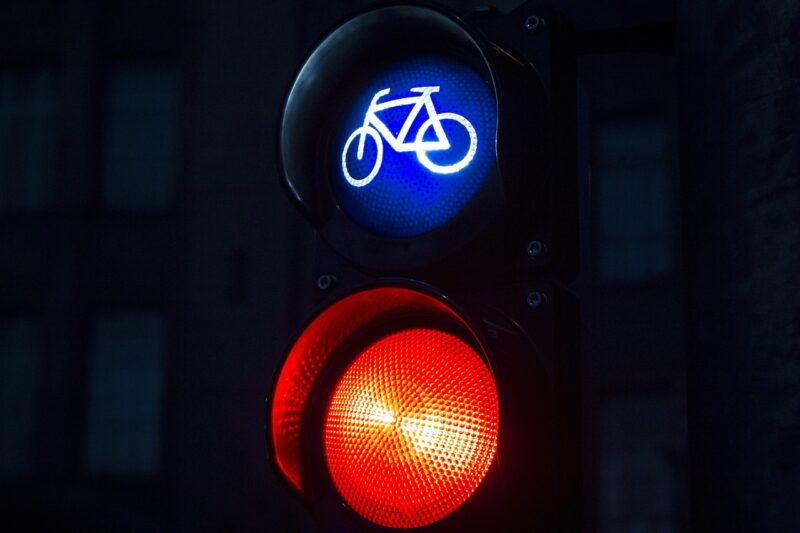
Traffic congestion has long been a significant challenge in urban areas, leading to frustration, wasted time, and increased pollution. As cities grow and populations expand, the need for innovative solutions to manage traffic flow has become more critical than ever. One solution gaining traction among urban planners is the implementation of smart traffic lights. This technology not only enhances the efficiency of traffic systems but also promotes safer and more convenient urban living.
Understanding Smart Traffic Lights
Smart traffic lights are equipped with advanced sensors, cameras, and artificial intelligence (AI) technologies that collect real-time data about traffic conditions. Unlike traditional traffic signals, which operate on fixed timers, smart traffic lights adjust their timing based on current traffic patterns and demand. By optimizing green light durations, they can significantly reduce wait times for drivers and pedestrians alike.
Key features of smart traffic lights include:
- Adaptive Signal Control: Adjusts the timing of lights based on current traffic conditions rather than following a predetermined schedule.
- Data Analytics: Collects traffic data over time to identify patterns and optimize signal timing for long-term improvements.
- Emergency Vehicle Priority: Changes signal patterns to clear intersections for emergency vehicles, promoting faster response times.
- Pedestrian Detection: Senses pedestrian activity and may extend crossing signals for safety.
As cities embrace new technologies, the integration of smart traffic lights represents a forward-thinking approach to solving chronic traffic issues.
The Benefits of Smart Traffic Lights
The implementation of smart traffic lights can yield numerous benefits for urban environments, making them a desirable option for cities aiming to enhance mobility. Here’s how they contribute to reduced congestion:
1. Improved Traffic Flow
Smart traffic lights can increase the flow of traffic by dynamically adjusting light sequences based on real-time information. This adaptability means that a signal can remain green longer during peak traffic hours or change more quickly during off-peak times, preventing bottlenecks.
2. Reduced Travel Times
With better synchronization of traffic signals, drivers experience fewer stops and starts, making trips more efficient. Data from cities that have implemented smart traffic signals indicates a marked decrease in average travel times, providing convenience to commuters.
3. Lower Emissions
By decreasing idling times and promoting smoother traffic flow, smart traffic signals contribute to lower fuel consumption, ultimately reducing greenhouse gas emissions. This environmental impact aligns with broader sustainability goals for cities.
4. Enhanced Safety
The integration of pedestrian detection features minimizes accidents at intersections, enhancing the universal safety of road users. Emergency vehicle priority settings ensure that responders can avoid gridlock, effectively saving lives during urgent situations.
Case Studies of Smart Traffic Light Implementations
Several cities around the globe are leading the way in the use of smart traffic lights, showcasing their functionality and benefits:
1. Los Angeles, California
Los Angeles has implemented a network of over 4,000 smart traffic signals as part of its Connected Traffic Signal System. By utilizing adaptive signal control technology, traffic delays have been reduced by approximately 12%. The city’s approach focuses on real-time communication between vehicles and traffic signals, paving the way for future advancements in smart city initiatives.
2. Pittsburgh, Pennsylvania
Pittsburgh launched its Smart Signals project, integrating sensors and cameras that monitor traffic patterns in real time. The initiative led to a 25% decrease in the amount of time drivers spent waiting at intersections, significantly easing congestion in one of the city’s busiest areas.
3. Stockholm, Sweden
In Stockholm, smart traffic lights have been part of a broader initiative that includes environmental consideration by giving priority to public transport. Data-driven adjustments made by these signals have improved public transport reliability while reducing overall traffic congestion, indicating a successful model for other cities to emulate.
Challenges and Considerations
Despite the benefits, the deployment of smart traffic lights does present challenges. Key considerations include:
- High Initial Costs: The installation of smart traffic light systems can require significant investment in technology and infrastructure, which may not be feasible for all municipalities.
- Data Privacy Concerns: The collection of data raises questions about privacy and surveillance in urban environments. Transparent data management policies are essential to gaining public trust.
- Technical Complexity: Cities must ensure they have the technical expertise to implement and maintain smart systems effectively, necessitating ongoing training and support for staff.
Addressing these challenges is vital for maximizing the potential of smart traffic lights.
The Future of Smart Traffic Management
As urbanization continues to rise, so too will the necessity for innovative approaches to traffic management. Smart traffic lights hold the promise of not just improving congestion but transforming urban mobility
in significant ways.
The future considerations for the development of smart traffic management systems may include:
- Integration with Autonomous Vehicles: As self-driving technology evolves, smart traffic signals may serve as critical communication points to ensure safe and efficient navigation for autonomous vehicles.
- Enhanced Data Analytics: Continued advancements in AI will allow city planners to utilize gathered data for more predictive modeling of traffic flows, helping cities plan for future infrastructure needs more effectively.
- Seamless Public Transportation Coordination: Smart traffic systems may also integrate with public transport schedules, ensuring higher efficiency and reliability in public transit options.
With proper investment and commitment, smart traffic lights can become a cornerstone of modern urban planning, creating greener, safer, and more efficient cities for everyone.
Conclusion
As cities grapple with the challenges posed by congestion, smart traffic lights offer a promising solution backed by technology. Their ability to adapt to real-time conditions allows urban planners to optimize traffic flow, reduce wait times, and enhance safety. By looking to successful implementations around the world, urban planners can draw lessons to integrate this technology into their smart city strategies, paving the way for healthier and more efficient urban environments. As we advance toward more connected and technologically empowered cities, embracing smart traffic systems stands out as a vital step for improving the urban experience well into the future.