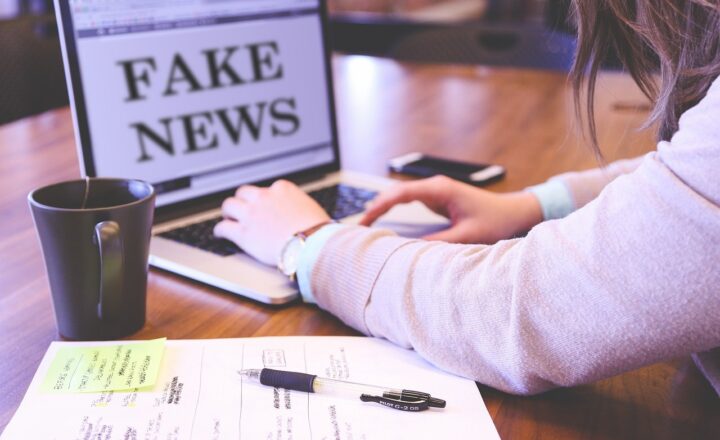
How to Spot Fake News Online: A Guide to Media Literacy

Benjamin Parker
November 2, 2024
In the digital age, the internet is flooded with information from countless sources, but not all of it is reliable. Fake news has become a significant issue, leading to misinformation and confusion. Developing media literacy skills is crucial to discern credible sources from unreliable ones. This guide provides practical steps to help you spot fake news online and become a more informed consumer of information.
1. Understand What Fake News Is
Fake news refers to false or misleading information presented as news. It can range from completely fabricated stories to exaggerated or distorted reports designed to mislead readers for various purposes, such as influencing public opinion or generating clicks.
Common Types of Fake News:
- Clickbait: Sensational headlines designed to attract clicks, often misleading or exaggerating facts.
- Satire or Parody: Humorous content that might be mistaken for real news if not clearly labeled.
- Misinformation: Inaccurate information spread unintentionally, often by people who believe it’s true.
- Disinformation: Deliberately false information spread to deceive people.
Tip: Recognizing the different types of fake news helps you approach online content critically.
2. Check the Source’s Credibility
One of the most effective ways to verify information is by checking the credibility of the source. Reliable sources have a history of accurate reporting, transparent authorship, and accountability.
How to Assess Credibility:
- Look for well-established news organizations or websites with a solid reputation.
- Research the website and its purpose; avoid sources with a history of misinformation.
- Check the “About” page to learn more about the organization and its goals.
Why It Matters: Credible sources often have experienced journalists and editorial oversight, which reduces the likelihood of publishing fake news.
3. Evaluate the Author’s Credentials
Knowing who wrote the article can give insight into its reliability. Check if the author is an expert on the topic and whether they have a credible background in journalism or a related field.
Questions to Ask:
- Is the author’s name and biography available on the website?
- Does the author have experience or qualifications in the field they’re writing about?
- Are they affiliated with a reputable organization or publication?
Tip: Be cautious of articles with anonymous authors, as they may lack accountability and credibility.
4. Analyze the Headline and Tone
Fake news often uses sensational or emotionally charged headlines to grab attention. If a headline seems overly dramatic or unbelievable, it’s a good idea to approach the content critically.
Signs of Sensationalism:
- Headlines in all caps or with excessive punctuation, like “!!!”
- Claims that seem too extreme or dramatic to be true.
- Content that appeals to emotions, often inciting fear, anger, or shock.
Why It Works: Fake news relies on sensationalism to spread quickly, as people are more likely to share content that provokes an emotional reaction.
5. Look for Supporting Evidence
Reliable news is backed by evidence, data, or reputable sources. Articles lacking citations, statistics, or links to credible sources may be untrustworthy.
How to Verify Evidence:
- Check for links to original sources or data within the article.
- Search for other reputable news outlets that report the same story.
- Consider whether the story provides concrete facts, such as dates, names, or quotes.
Tip: If the article claims to provide facts but lacks evidence, it may be unreliable.
6. Cross-Check with Other Sources
If you come across a questionable story, check if other reputable news sources are reporting the same information. Multiple credible outlets covering the same story increases its likelihood of accuracy.
Steps to Cross-Check Information:
- Look for similar coverage on well-known news sites like BBC, Reuters, or AP News.
- Use fact-checking websites such as Snopes, FactCheck.org, or PolitiFact.
- Be cautious if only one obscure website reports the story without others confirming it.
Why It Matters: Real news is typically covered by multiple sources, while fake news may exist only on one site.
7. Check the Date of Publication
Sometimes, old news stories are shared as if they’re recent. Checking the date of publication can prevent misunderstandings and ensure you’re viewing current information.
Why It’s Important: Outdated information can mislead readers about current events or issues, creating unnecessary confusion.
Tip: Always verify the date before sharing a story, especially if it relates to time-sensitive topics like health or politics.
8. Be Aware of Confirmation Bias
Confirmation bias is the tendency to believe information that aligns with our existing beliefs and to dismiss information that contradicts them. Recognizing this bias can help you approach news with a more objective mindset.
How to Overcome Confirmation Bias:
- Question information that feels “too good to be true” or aligns perfectly with your beliefs.
- Read from a variety of sources, including those with differing viewpoints.
- Evaluate information based on evidence, not personal opinion.
Why It Matters: Confirmation bias can make people more susceptible to fake news, as they may believe stories that confirm their views without verifying the facts.
9. Examine Visual Content Carefully
Photos and videos can be manipulated or taken out of context to create misleading narratives. Fake news often uses such images to make stories appear more credible.
Tips for Checking Visual Content:
- Use reverse image search tools like Google Images to verify the origin of a photo.
- Be cautious of videos that appear edited or use deceptive captions.
- Look for signs of manipulation, such as inconsistencies in lighting or shadows.
Why It Works: Visuals can be powerful, but verifying their authenticity prevents you from being misled by doctored or out-of-context images.
10. Educate Yourself on Media Literacy
Developing media literacy is an ongoing process. Understanding how news is produced, distributed, and consumed can improve your ability to identify fake news.
Ways to Improve Media Literacy:
- Read resources on media literacy from reputable organizations like the Media Literacy Council or News Literacy Project.
- Stay informed about common fake news tactics and new forms of misinformation.
- Encourage discussions on media literacy with family and friends to promote awareness.
Tip: Practicing media literacy helps build a foundation of critical thinking, which is essential for navigating today’s information landscape.
Conclusion
Spotting fake news is a valuable skill in the digital age, and developing media literacy is essential for anyone who consumes online content. By learning to recognize red flags, verifying sources, and approaching news critically, you can protect yourself from misinformation and make informed decisions. Remember, not everything you read online is true, and being a vigilant reader is key to understanding the world accurately.
Use these tips to enhance your media literacy skills and become a more discerning consumer of information. Together, we can create a more informed and responsible online community.