How to Safely Lose Weight and Build Muscle as a Woman

Charlotte Hayes
November 14, 2024
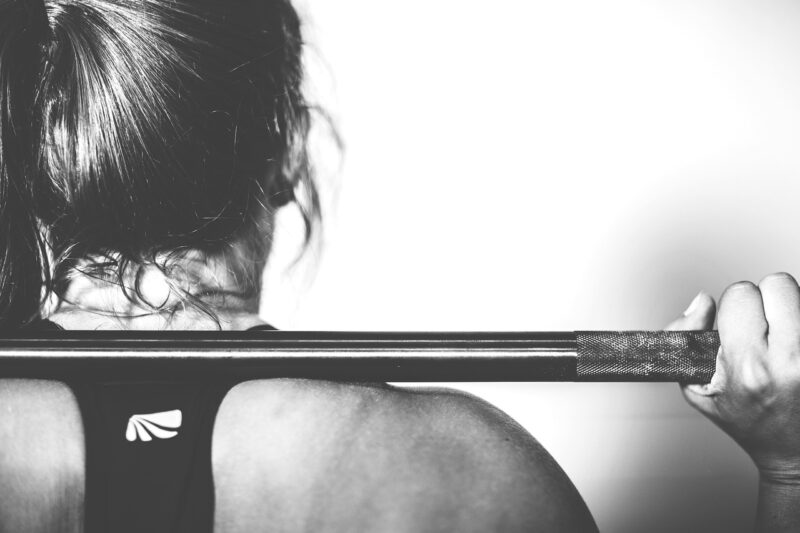
Embarking on a weight loss and muscle-building journey as a woman can seem daunting, but it’s entirely achievable with the right knowledge and dedication. This comprehensive guide breaks down safe and effective methods to help women lose weight while simultaneously building muscle, promoting overall health and well-being.
1. Understanding Weight Loss and Muscle Building
Weight loss and muscle building are often perceived as two separate goals, but they can be harmoniously combined. Let’s start with the basics:
- Weight Loss: The process of reducing body weight usually through a caloric deficit—consuming fewer calories than you burn.
- Muscle Building: Also known as hypertrophy, it involves increasing muscle mass and strength through resistance training.
The key lies in understanding how to balance these two processes effectively to achieve a healthier body composition.
2. The Importance of Setting Realistic Goals
Achieving your desired weight and muscle tone requires setting SMART goals: Specific, Measurable, Achievable, Relevant, and Time-bound. For example:
- Specific: Aim to lose 10 pounds in three months while increasing your squat weight by 10%.
- Measurable: Track your weight loss weekly and your strength gains regularly.
- Achievable: Ensure your goals are realistic based on your lifestyle and body type.
- Relevant: Focus on goals that improve your health, not just aesthetics.
- Time-bound: Set a timeline for achieving your goals to maintain motivation.
By setting realistic goals, you can keep your motivation high and avoid the frustration of unattainable expectations.
3. Nutritional Guidelines for Safe Weight Loss
Nutrition plays a pivotal role in both weight loss and muscle building. To achieve your goals, consider the following dietary strategies:
- Caloric Deficit: Aim to reduce your daily caloric intake by 500-750 calories to lose approximately 1-2 pounds per week. Do not drop below 1,200 calories per day without professional guidance.
- Macronutrient Balance: Focus on a balanced intake of protein, carbohydrates, and healthy fats:
- Protein: Aim for 1.2 to 2 grams of protein per kilogram of body weight to support muscle repair and growth.
- Carbohydrates: Choose complex carbohydrates like whole grains, fruits, and vegetables to fuel workouts and facilitate recovery.
- Fats: Incorporate healthy fats from sources like avocados, nuts, and olive oil to promote overall health.
- Hydration: Drink plenty of water throughout the day to stay hydrated; aim for at least 8 cups (2 liters) daily, or more if you are exercising heavily.
- Meal Timing: Consider spreading your meals throughout the day to maintain energy levels and prevent overeating. Eating smaller meals every 3-4 hours can help regulate appetite and manage hunger effectively.
Aligning these nutritional strategies with your workout routine is crucial for success.
4. Designing a Workout Program that Works
To lose weight and build muscle effectively, you need a well-rounded workout program. Here’s how to develop one:
- Strength Training: Incorporate 3-4 strength training sessions per week, focusing on major muscle groups:
- Compound Exercises: Include squats, deadlifts, bench press, and rows to maximize muscle activation.
- Progressive Overload: Gradually increase weight, reps, or intensity over time to stimulate muscle growth.
- Cardiovascular Exercise: Incorporate 150-300 minutes of moderate-intensity cardio weekly to promote fat loss:
- Various Forms: Engage in activities you enjoy, such as jogging, cycling, or group classes, to stay motivated.
- HIIT Workouts: Consider High-Intensity Interval Training (HIIT) 1-2 times a week for an efficient fat-burning session.
- Flexibility and Recovery: Include stretching and rest days in your routine to prevent injuries and aid recovery. Flexibility training such as yoga can also assist in muscle recovery and improve overall performance.
Following a structured program ensures that you hit your weight loss and muscle-building targets consistently.
5. The Role of Rest and Recovery
Rest is when your body repairs itself, particularly after rigorous weight training. By prioritizing recovery:
- Sleep Quality: Ensure you get 7-9 hours of quality sleep per night to support muscle recovery and hormone regulation.
- Active Recovery Days: Include low-intensity activities such as walking or light yoga on your rest days to promote circulation and recovery without intense stress on the muscles.
Adopting these recovery strategies fosters sustainable progress in your fitness journey.
6. Avoiding Common Mistakes
As you pursue weight loss and muscle-building goals, it’s important to avoid some common pitfalls:
- Neglecting Nutrition: Ensure you don’t restrict calories too severely, as it can inhibit muscle growth and lead to fatigue.
- Focusing Solely on Cardio: While cardio is great for burning calories, neglecting strength training will hinder muscle development and metabolism boost.
- Staying Ignorant of Form: Always prioritize proper form to avoid injuries. If necessary, seek professional guidance to learn effective techniques.
Staying informed about your choices empowers you to make healthier decisions throughout your journey.
Conclusion
Losing weight and building muscle might seem challenging, but with a dedication to nutrition, fitness, and overall well-being, women can achieve their desired physique safely and effectively. Establish realistic goals, develop a balanced workout routine, fuel your body wisely, and make sure to rest and recover.
By focusing on these principles, you will not only lose weight and build muscle, but you will also enhance your overall health and confidence along the way. Embrace the journey and celebrate your progress – every step counts toward living a healthier lifestyle.