
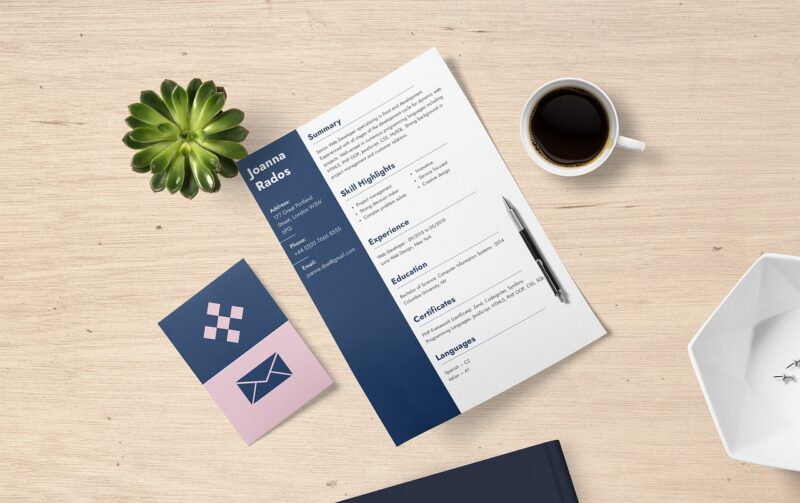
In today’s fast-paced and highly competitive job market, crafting a standout resume has never been more vital. With the rise of digital technology, the way we build and present our resumes has evolved dramatically. Gone are the days of static paper resumes; in this digital age, potential employers often expect candidates to showcase their capabilities through visually appealing formats, online profiles, and tailored content that catches the eye.
1. Understanding the Purpose of Your Resume
Before jumping into crafting your resume, it’s essential to understand its purpose. A resume serves as a personal marketing tool that highlights your skills, experience, and accomplishments. It should effectively convey your professional story to potential employers and persuade them to invite you for an interview.
Key elements that your resume needs to convey include:
- Relevance: Tailor your resume for each job application by emphasizing the most pertinent skills and experiences that align with the job description.
- Professionalism: Ensure your format is clean and polished to make a positive impression.
- Uniqueness: Highlight what sets you apart from other candidates, such as specialized skills or impactful achievements.
2. The Essential Components of a Modern Resume
When crafting your resume, certain components are universally accepted as essential, both in traditional and digital formats. Below are the critical sections to include:
Contact Information
Your contact information should be at the top of the document. This includes:
- Full Name
- Phone Number
- Email Address
- LinkedIn Profile URL (or other relevant online profiles)
Professional Summary or Objective
This brief 2-3 sentence introduction should encapsulate your career goals, skills, and what you can bring to the company. Focus on results rather than duties, adapting your summary to each job application.
Work Experience
List your professional experiences in reverse chronological order. Each entry should include:
- Job Title
- Company Name, Location
- Dates of Employment (Month/Year)
- Accomplishments: Use bullet points to highlight key accomplishments, quantifying results when possible (e.g., Increased sales by 20% within six months).
Education
List your educational background, starting with the most recent degree. Include:
- Degree(s) Earned
- Institution Name, Location
- Graduation Date
Skills
Highlight relevant skills that pertain to the position you are applying for. These can be both hard skills (e.g., software proficiency) and soft skills (e.g., communication, leadership).
Additional Sections (Optional)
Depending on your career stage and industry, you may want to add sections such as:
- Certifications
- Volunteer Experience
- Languages
- Projects
3. Formatting Your Resume for the Digital Age
The format of your resume can significantly impact how it is received by both human recruiters and applicant tracking systems (ATS). Here are essential formatting tips:
- Choose Clean Fonts: Use standard, professional fonts such as Arial, Calibri, or Times New Roman. Ensure your font size is readable (between 10-12 pt).
- Use Bullet Points: Bullet points are more visually appealing and easier to read than dense paragraphs. This format also helps to emphasize key accomplishments.
- Incorporate White Space: Make your resume visually appealing by ensuring there’s ample space around text blocks. This enhances readability.
- Save in the Right Format: When submitting your resume online, PDF is often the recommended format to preserve formatting. However, check if the employer specifies a different format.
4. Tailor Your Resume for Each Application
One size does not fit all. Employers can spot a generic resume from a mile away, making it essential to tailor your resume to fit each specific job outline. Here’s how:
- Analyze the Job Description: Identify keywords, skills, and experiences that are emphasized in the job posting. Reflect these words in your resume, making it clear you fit the bill.
- Highlight Relevant Experience: If a job requires specific skills, be sure to prioritize your relevant experiences that demonstrate those skills.
- Adjust Your Summary: Update your professional summary to reflect how your goals align with the company’s objectives and the role in question.
5. Utilizing Online Tools & Resources
In the digital age, there are myriad online resources to help streamline your resume creation process:
- Resume Builders: Websites like Canva, ResumeGenius, and Zety provide templates and design tools to help create visually compelling formats.
- Grammar Checkers: Tools like Grammarly can help ensure your resume is free of grammatical and spelling errors, enhancing professionalism.
- ATS Testing Tools: Services like JobScan can verify whether your resume aligns with ATS requirements, providing insights on how to improve your submission’s chances of passing these systems.
6. The Importance of Social Media Profiles
In this digital age, your online presence can significantly affect your job search. Here’s how to take advantage of it:
- Optimize Your LinkedIn Profile: Ensure your LinkedIn account is up-to-date and mirrors your resume content. Include a professional photo and seek endorsements for key skills.
- Be Mindful of Other Social Platforms: Employers may look into your social media activity. Maintain a professional image across platforms such as Twitter, Facebook, and Instagram, refraining from posting controversial content.
- Networking Opportunities: Leverage your LinkedIn connections for informational interviews or job referrals, as referrals often yield favorable outcomes in hiring processes.
Conclusion
Crafting a perfect resume in the digital age is an evolving art that requires a balance between personalization, professionalism, and readability. By understanding the essential components of an effective resume, utilizing online tools, and maintaining a polished online presence, aspiring candidates can significantly bolster their chances of landing that coveted job interview. Remember that while your resume is an essential ticket to your future career, your authentic passion and skills will ultimately shine through in the long-term success of your career journey. Successful job seekers continuously adapt their strategies, ensuring they present their best selves in an ever-evolving job landscape.