How to Choose the Perfect Fishing Reel for Every Type of Fishing

Lucas Bennett
November 11, 2024
Fishing is not just a pastime; it is an art form that combines skill, patience, and the right equipment. One of the most critical pieces of gear that can significantly affect your fishing experience is the fishing reel. But with the myriad of options available, how do you choose the perfect fishing reel for every type of fishing? In this comprehensive guide, we’ll break down the factors you should consider when selecting a fishing reel, including rod compatibility, fishing technique, and more.
1. Understanding the Types of Fishing Reels
There are several types of fishing reels available, and each is designed for specific fishing conditions and techniques. Understanding these can help you narrow down your choices.
– Spinning Reels: These are the most popular type of reels and are ideal for beginners. They are versatile, easy to use, and suitable for various fishing techniques from freshwater to saltwater.
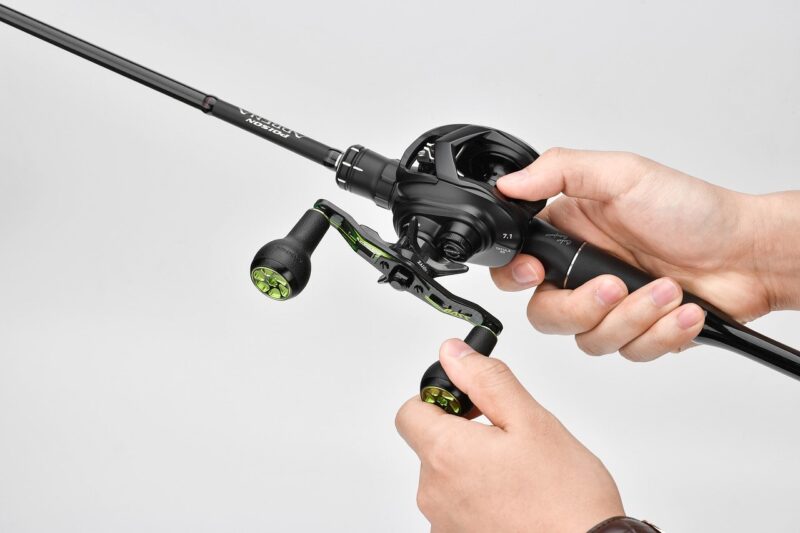
– Baitcasting Reels: Known for their precision and control, baitcasting reels are great for catching larger fish. They require a bit more skill to operate but can provide excellent casting distance and accuracy.
– Spincast Reels: These reels are designed for convenience and ease of use. They are perfect for novice anglers and are ideal for light fishing applications.
– Fly Reels: These reels are specifically designed for fly fishing and come in different styles to match various line weights and fishing conditions.
– Trolling Reels: Ideal for deep-sea fishing, trolling reels are designed to withstand larger fish and are equipped with strong gears.
Each reel type has its strengths and weaknesses, so the choice depends primarily on the fishing method you plan to use.
2. Consider the Fishing Environment
The fishing environment can significantly influence your reel choice. Here’s how:
– Freshwater Fishing: For lakes and rivers, consider lighter spinning or baitcasting reels. A lightweight setup allows for easier handling and casting in smaller bodies of water.
– Saltwater Fishing: Saltwater conditions demand more durable materials to withstand corrosion. Saltwater spinning reels or heavy-duty baitcasting reels with special coatings are advisable.
– Inshore vs. Offshore Fishing: Inshore fishing usually requires a lighter reel, while offshore fishing necessitates a stronger, high-capacity reel to handle larger catches.
Choosing a reel tailored to its environment helps ensure longevity and performance.
3. Matching Your Reel with Fishing Rods
Reel and rod compatibility is vital for efficient fishing. Here are tips on matching them:
– Reel Size: Always check the reel size against the rod. Use a smaller reel with lighter rods for finesse techniques and larger reels with stouter rods for heavy-duty applications.
– Action and Power Ratings: Rods are rated by power (strength) and action (flexibility). A medium-heavy rod pairs well with a baitcasting reel, while a light rod works best with lightweight spinning reels.
Improper combinations can lead to ineffective casting and retrieval. Always check compatibility charts for optimal pairing.
4. Gear Ratio and Drag System
Understanding gear ratios and drag systems can greatly enhance your fishing performance:
– Gear Ratio: This refers to how many times the spool revolves with one complete turn of the handle. A higher gear ratio (like 7:1:1) indicates faster retrieval, ideal for techniques requiring quick line pickup. Conversely, a lower ratio (like 5:1:1) provides more power to fight bigger fish.
– Drag System: The drag system controls the tension on the line while fighting a fish. Look for a smooth, adjustable drag system, as it plays a critical role in helping you land fish without breaking the line. Carbon drag systems are particularly effective, providing smoothness under heavy loads.
Both of these factor into how effective your reel will be in different fishing scenarios.
5. Budget Considerations
Finances are always a concern when purchasing fishing gear. Here’s how to manage your budget:
– Entry Level vs. Premium Reels: Entry-level reels can be perfect for novices, typically costing between $30 to $100. For more serious anglers, premium reels can range from $150 to over $500, providing advanced technologies and durability.
– Invest in Quality: While it may be tempting to go for cheaper options, investing in a quality reel can save you money and frustration in the long run. Look for renowned brands and customer reviews before making a purchase.
Setting a budget and understanding what you’re investing in will guide your decision.
6. Maintenance and Care for Longevity
Proper maintenance can significantly extend the life of your fishing reel:
– Clean Regularly: After each fishing session, clean your reel with fresh water, especially if used in saltwater. Remove any debris, dirt, or water to prevent corrosion and buildup.
– Lubricate Moving Parts: Regular lubrication is essential for smooth operation. Use appropriate reel oil or grease, focusing on the gears and bearings.
Maintaining your reel ensures optimal performance and longevity, allowing you to enjoy the sport for years to come.
Conclusion
Choosing the perfect fishing reel for every type of fishing involves understanding your specific needs, the environment, and the techniques you plan to use. By knowing the different types of reels, matching them with rods, and considering elements like gear ratio, drag systems, and maintenance, you can select an effective tool that enhances your fishing experience. So gear up, make a wise decision, and hit the water with confidence—happy fishing!